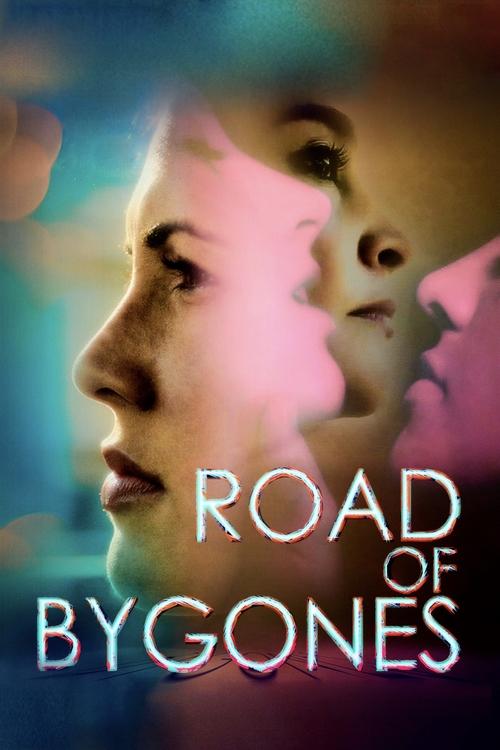
Road of Bygones
2019
No user ratings available yet
Representation score: 2.1 out of 10

Representation Score
Good
2017
Director
João Canijo
Runtime
153 minutes
Average Rating
No ratings yetNew Showbiz Analysis
Fátima is a sociological drama that prioritizes the deconstruction of domestic structures through a female lens. Its greatest strength lies in its refusal to idealize women, instead presenting them as complex, autonomous agents fighting against patriarchal constraints. However, the film's commitment to realist, rural Portuguese settings results in a lack of racial and LGBTQ+ diversity. The narrative remains centered on conventional domesticity and a homogeneous demographic, limiting its broader social representation. Ultimately, the film trades broad inclusivity for deep, localized character studies. It succeeds as a study of women's ability to drive the story but lacks the diversity required for a more inclusive social landscape.
Category Breakdown
The film centers on the interconnected lives of women within a traditional Portuguese social fabric. There is no significant portrayal of non-traditional gender identities or narratives that challenge the assumption that everyone is straight or cisgender.
The narrative focuses entirely on the female experience. Women are depicted as the primary drivers of the plot, navigating high-stakes domestic conflicts who play a significant role in driving the story and emotional resilience.
The cast is predominantly homogeneous, reflecting the demographic reality of rural Portugal. While this maintains geographic authenticity, the film lacks intentional racial blending or visual diversification.
The religious setting of Fátima serves as a cultural backdrop rather than a source of moral guidance. The film prioritizes human volatility and situational ethics over singular religious morality.
There is no prominent focus on visible or invisible disabilities. Characters navigate their environments through standard physical and neurotypical lenses without disability serving as a central narrative device.
Present on Screen
Limited or Absent
Official Synopsis
The journey of 11 women while they go on a pilgrimage from Bragança to Fatima.
2019

1959
2017

2019

2015

2023

2018

2020
No reviews yet. Be the first to share your thoughts on this movie!
Use the rating form above to leave a star rating and optional review.