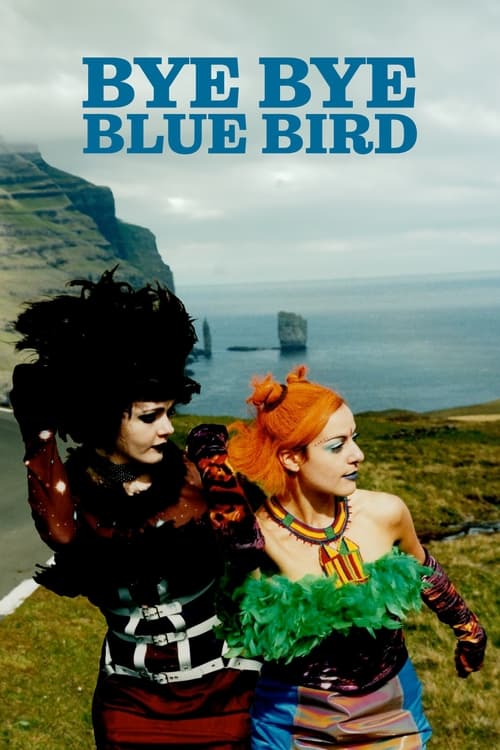
Bye Bye Blue Bird
1999
No user ratings available yet
Representation score: 5.9 out of 10
Representation Score
Good
2023
PG-13Director
Thaddeus O'Sullivan
Runtime
90 minutes
Average Rating
No ratings yetNew Showbiz Analysis
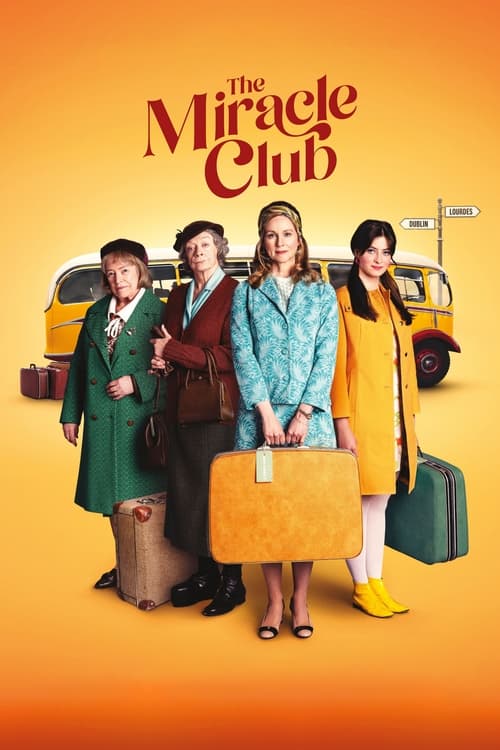
The Miracle Club succeeds as a character study of social outsiders, particularly through its subversion of gender roles. By placing women at the center of the narrative, it challenges the patriarchal structures of the 1840s. However, the film is limited by its historical setting, resulting in a lack of racial and LGBTQ+ diversity. The cast remains largely homogeneous, reflecting the specific Anglo-Saxon social stratum of the period. Ultimately, the film finds its strength in deconstructing institutional authority. It favors the ability to act of eccentric individuals over the rigid, bureaucratic pressures of the church and state.
Category Breakdown
The film lacks prominent LGBTQ+ characters or storylines central to the plot. It adheres to 19th-century social constraints without explicitly addressing non-straight relationships.
The narrative disrupts Victorian hierarchies by centering ability to act on female characters. Led by performers like Sally Hawkins, the women drive the plot through intellectual and social maneuvering.
The ensemble is predominantly white, reflecting the historical homogeneity of a mid-19th-century English village. The film does not utilize color-blind casting or significant minority representation.
The story offers a critique of institutional rigidity by centering on the morality of social misfits. It prioritizes communal values over the formal dictates of church and state.
Characters with various physical and mental eccentricities are used to build a sense of community among outcasts. These traits give real power to those sidelined by the era's standards.
Present on Screen
Limited or Absent
Official Synopsis
Three close friends who have never left the outskirts of Dublin (much less Ireland) get the journey of a lifetime — a visit to Lourdes, the picturesque French town and place of miracles.
1999

2021

2019

2017
2019

2010
2010
2010
No reviews yet. Be the first to share your thoughts on this movie!
Use the rating form above to leave a star rating and optional review.