
Much Loved
2015
No user ratings available yet
Representation score: 8.7 out of 10
Representation Score
Good
2017
Not RatedDirector
Nabil Ayouch
Runtime
109 minutes
Average Rating
No ratings yetNew Showbiz Analysis
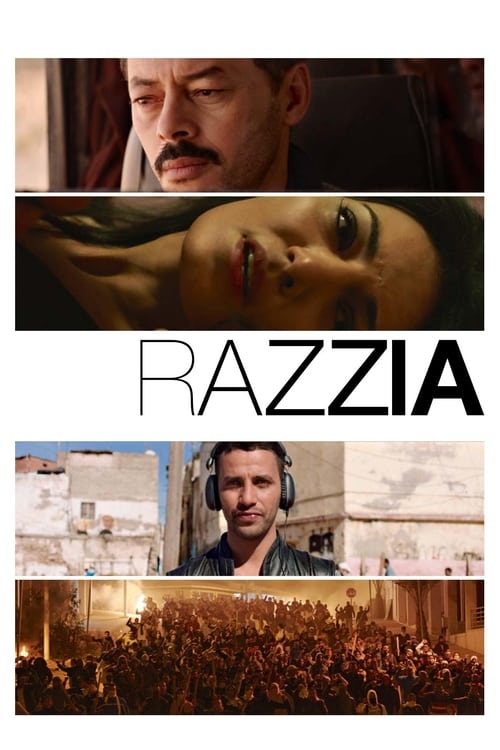
Razzia is a sophisticated social commentary that questions traditional hierarchies. By focusing on a female protagonist in a male-dominated environment, the film highlights her significant role and challenges patriarchal structures. The setting of Casablanca is used to ground the story in a localized, authentic reality. The film provides a nuanced critique of religious moralism and restrictive social institutions. It avoids exoticizing the setting and focuses on the tension between modern urban desires and conservative institutionalism. This creates a narrative that feels deeply rooted in its North African context. While the film explores sexual fluidity, it remains more focused on broader social dynamics than on specific LGBTQ+ identities. Overall, the work achieves a high level of complexity through its layered approach to gender, class, and systemic issues.
Category Breakdown
The film explores sexual fluidity and challenges assumptions about sexuality, but it does not center LGBTQ+ identities as the main focus of the plot.
A strong female character navigates a male-dominated world and plays a significant role in driving the story. The film challenges traditional male authority by showing these figures as hypocritical and dysfunctional.
The film avoids a Western-centric viewpoint by featuring a predominantly Moroccan cast. It sets the story in the authentic cultural and economic context of North African urban life.
The story critiques traditional religious moralism and Western social structures. It portrays characters' actions as reactions to systemic pressures rather than inherent moral failings.
There is no significant evidence regarding the portrayal of visible or invisible disabilities in the film.
Present on Screen
Limited or Absent
Official Synopsis
Morocco, from the past to the present. Five people who are connected to each other – Abdallah, Salima, Joe, Hakim, and Inès – without realizing it. Different faces, different struggles, but one same breath. One city, Casablanca as a fragment of reality, as the myth of a film entirely shot in Hollywood studios, which reality has come back to claim.
2015
2016
2013

2007

2017
2017
2016

2017
No reviews yet. Be the first to share your thoughts on this movie!
Use the rating form above to leave a star rating and optional review.