Tchaïka
1994
No user ratings available yet
Diversity score: 5.5 out of 10
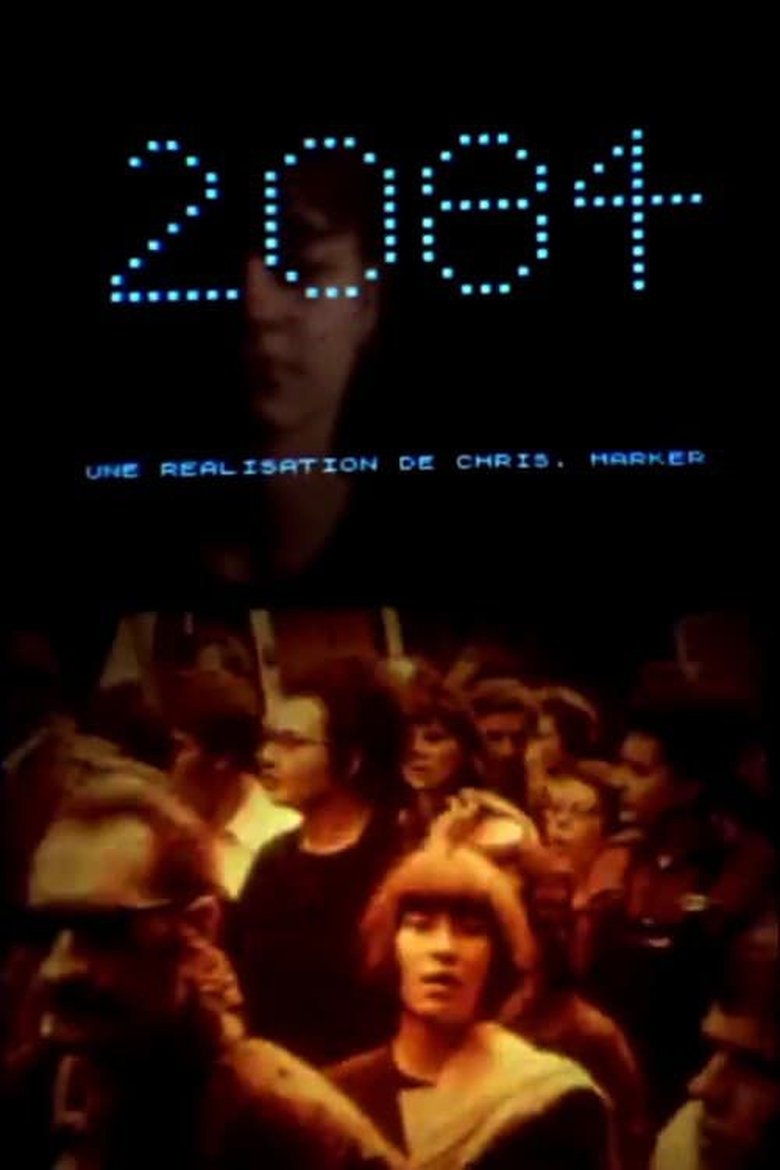
1984
Director
Chris Marker
Runtime
10 minutes
Average Rating
No ratings yetSynopsis
Filmed on the 100th anniversary of the labour union laws in France, the quasi-science fiction film is set in 2084. A robot moderator helps us look 'back' at the contemporary labour situation and different directions the movement could take.
Overall Score
Good
Category Breakdown
LGBTQ+ Representation
The film lacks explicit depictions of LGBTQ+ identities or romantic pairings. It maintains a neutral stance by avoiding the reinforcement of heteronormative tropes through its deconstructive montage.
Gender Representation
By focusing on the collective union rather than individual domestic roles, the film bypasses traditional patriarchal structures. It avoids reinforcing submissive femininity or dominant masculinity by centering on class.
Racial & Ethnic Diversity
The work operates on a systemic level, focusing on the proletariat as a globalized concept. It avoids whitewashing or depicting homogeneous Western families as the sole standard of humanity.
Religious & Cultural Diversity
The film prioritizes anti-capitalist sentiment and critiques traditional Western institutions as tools of surveillance. It promotes a collective social structure that challenges the atomization of modern capitalist society.
Disability Representation
There are no specific depictions of physical or neurodivergent characters. The focus remains on the socio-political condition of the worker rather than individual physical or mental attributes.
Strengths
Areas for Improvement
AI Analysis
Chris Marker’s experimental documentary functions as a radical interrogation of power and media. Rather than relying on character-driven narratives, it uses a speculative, dystopian framework to critique systemic control and the authority of the image. The film achieves progressive impact through its theoretical architecture. By centering the discourse on the collective labor movement, it avoids many traditional tropes found in mainstream cinema, such as gender hierarchies or racial whitewashing. Ultimately, the work succeeds as a systemic critique. It advocates for the empowerment of the working class against the surveillance and control of capitalist media apparatuses.
1994
1978

2016

1974

2013

2006
2014

1998
2016

2012

2019

2004
No reviews yet. Be the first to share your thoughts on this movie!
Use the rating form above to leave a star rating and optional review.