
Drill
1983
No user ratings available yet
Representation score: 0.6 out of 10

Representation Score
Fair
1982
Director
Takashi Ito
Runtime
3 minutes
Average Rating
No ratings yetNew Showbiz Analysis
Takashi Ito’s experimental background points to a film focused on subverting traditional social hierarchies through aesthetic and conceptual exploration, rather than relying on conventional storytelling. The avant-garde nature of the film avoids the didactic morality typical of mainstream studio productions, functioning instead as a non-conformist expression that disrupts conventional cinematic expectations. While specific multi-layered data is limited, the film’s position within the Japanese experimental tradition provides a valuable alternative to Western-centric narratives.
Category Breakdown
The film's avant-garde nature hints at potential non-traditional gender expressions through abstract symbolism, though specific LGBTQ+ identities remain unconfirmed.
Due to its experimental style, the film likely disrupts conventional gender roles, but without detailed character information, a definitive assessment of gender hierarchies is impossible.
As a Japanese production, the film challenges the Western-centric cinematic perspective by operating outside Anglo-Saxon dominance.
The work prioritizes conceptual exploration over traditional social or religious institutions, using subjective, non-linear structures to depart from mainstream Western values.
There is no evidence of characters with visible or invisible disabilities within the documentation.
Present on Screen
Limited or Absent
Official Synopsis
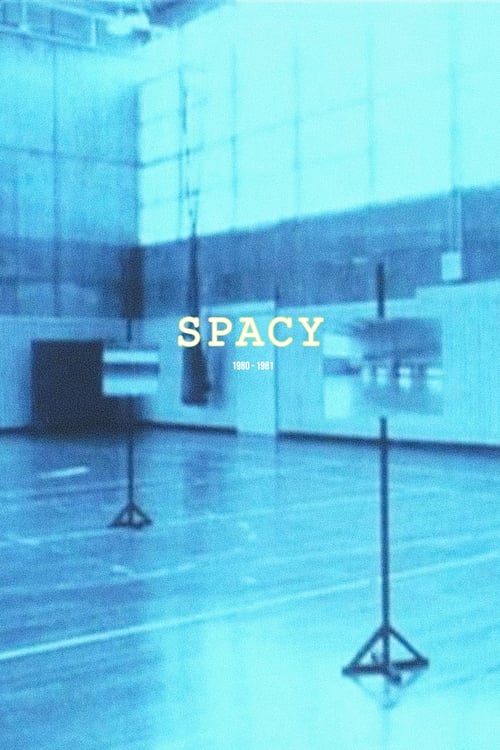
Ito is one of the leading experimental filmmakers in Japan. He graduated from Art and Technology Department of Kyushu Institute of Design in 1983 during which he made a debut with the film SPACY in 1981 (Inagaki who created sound effects for the film was also a filmmaker and his classmate at the institute). He was rather a premature virtuoso.
1983

2017
1981

1985
1983

1964
1982
1975
No reviews yet. Be the first to share your thoughts on this movie!
Use the rating form above to leave a star rating and optional review.