
Labyrinth Tale
1975
No user ratings available yet
Representation score: 6.0 out of 10

Representation Score
Good
1975
Director
Shūji Terayama
Runtime
34 minutes
Average Rating
No ratings yetNew Showbiz Analysis
Shūji Terayama’s *The Trial* is a masterclass in challenging social norms through avant-garde surrealism. It excels by deconstructing the stability of identity, using fluid depictions of gender and sexuality to challenge patriarchal and straight-centered structures. The film's strength lies in its anti-authoritarian stance, critiquing institutional power and the suffocating nature of social organization. However, the film remains culturally localized within a Japanese context, lacking multi-ethnic diversity. While it rejects Western storytelling structures, it does not offer a globalized or multi-racial perspective.
Category Breakdown
The film challenges traditional views of gender and sexuality by presenting them as fluid and fragmented. It uses dream-like sequences to depict desires that defy conventional categories.
Gender is portrayed as a flexible concept rather than a rigid social construct. The film unsettles traditional gender roles by depicting characters in surreal and unsettling ways.
The cast and setting are predominantly Japanese, reflecting the film's roots in the Japanese New Wave movement. It lacks multi-ethnic casting but challenges Western cinematic norms through its localized perspective.
The film critiques Western-style institutional logic and post-war social structures. It portrays bureaucratic systems as absurd, oppressive, and inherently incomprehensible.
There is no visible or invisible disability representation in the film.
Present on Screen
Limited or Absent
Official Synopsis
An experimental short featuring people and nails.
1975

1964

1985

1973

1974
1974
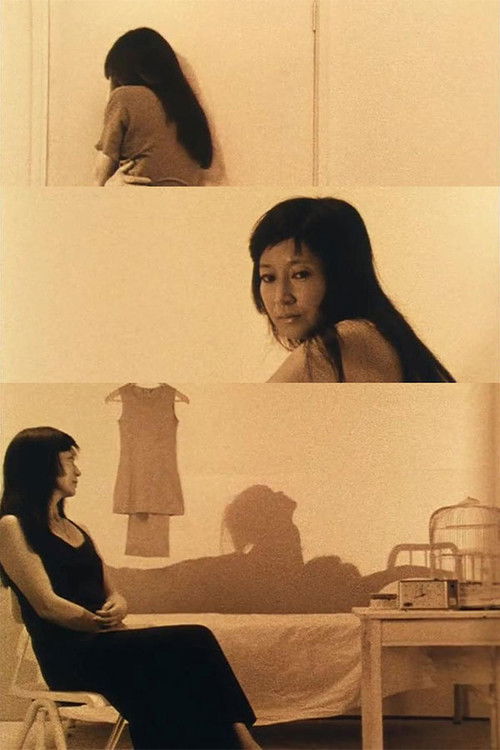
1977
1978
No reviews yet. Be the first to share your thoughts on this movie!
Use the rating form above to leave a star rating and optional review.