
Drill
1983
No user ratings available yet
Representation score: 0.6 out of 10
Representation Score
Minimal
1981
Director
Takashi Ito
Runtime
10 minutes
Average Rating
No ratings yetNew Showbiz Analysis
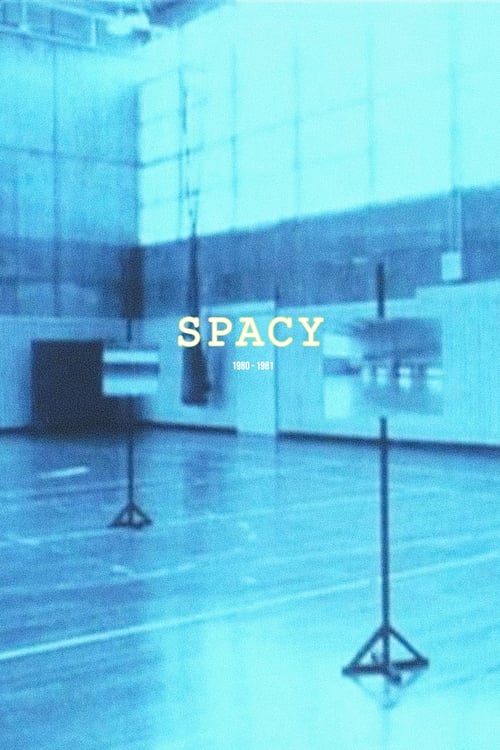
Takashi Ito’s *Spacy* is a work of pure formalist experimentation rather than a narrative film. By using 700 continuous still photographs to transform a gymnasium into a recursive landscape, the film removes human ability to act from the frame. Because the film lacks characters, dialogue, and interpersonal conflict, it does not serve as a vehicle for identity-based representation. It does not depict gender, race, or sexual orientation, focusing instead on the deconstruction of visual perception. The film's cultural value lies in its postmodern rejection of conventional cinematic structures. It challenges the viewer's sensory experience through a unique stop-motion technique, though it lacks explicit socio-political commentary.
Category Breakdown
Since the film features no human characters or dialogue, there is no depiction of sexual orientation.
The focus is on the architectural properties of a gymnasium. Without human subjects, the film does not address or challenge gender hierarchies or stereotypes.
The subject matter is an inanimate environment. There are no cast members or interactions to evaluate regarding racial or ethnic diversity.
The film rejects traditional Western storytelling by avoiding linear plots and character arcs. This aesthetic choice emphasizes sensory experience over social or religious institutions.
There are no characters depicted in the film. The intense visual style is a stylistic choice regarding perception rather than a depiction of disability.
Present on Screen
Limited or Absent
Official Synopsis
"His films are like a roller-coaster. His way of throwing the act of seeing into utter confusion is an attack on the eyes in their corporeal function, and to attack the eyes is to take on tile body itself as your opponent. The film makes you break out in sweat only by shooting a safe, peaceful gymnasium in the dark." (Koharu Kisaragi)
1983

1969
1982
1987
1968

1975

1982
1970
No reviews yet. Be the first to share your thoughts on this movie!
Use the rating form above to leave a star rating and optional review.