
The Hungover Games
2012
No user ratings available yet
Representation score: 0.6 out of 10
Representation Score
Limited
2016
Director
Ilyssa Goodman
Runtime
90 minutes
Average Rating
No ratings yetNew Showbiz Analysis
The film focuses on the psychological impact of sleep deprivation and competition, presenting a character-driven comedy that deconstructs the traditional winner-takes-all meritocratic cliché. While the narrative shows an inclusive approach to gender by framing the competition as open to both genders, the lack of specific data on race and LGBTQ+ identities hinders a comprehensive assessment of its diverse representation. The film’s strength lies in its critique of consumerism and the futility of extreme competition, rather than explicit demographic representation.
Category Breakdown
The film includes eight teenage characters, providing potential for diverse identity expression. However, there is no clear depiction of non-traditional gender identities or specific romantic storylines.
The story challenges traditional gender roles by stating that either a man or a woman can win the competition. This indicates an effort to move away from male-dominated narratives in competitive scenarios.
There is no specific information about the racial makeup of the cast or the ethnic backgrounds of the characters. Therefore, it is unclear whether the characters have diverse backgrounds.
The film criticizes the excesses of hyper-competitive capitalism by portraying the pursuit of a luxury car as a stressful ordeal. It highlights how consumerism can lead to systemic exhaustion rather than empowerment.
The text does not mention any characters with visible or invisible disabilities. There is no information on how neurodivergence or physical health is addressed in the film.
Present on Screen
Limited or Absent
Official Synopsis
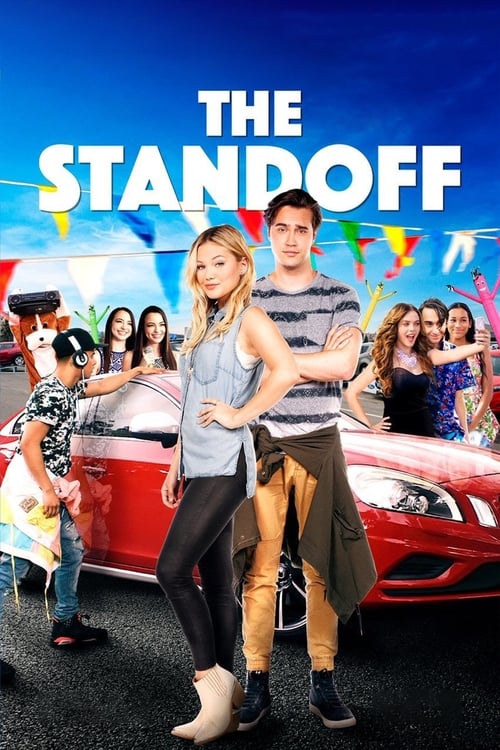
At Big Jim’s Auto Depot there’s only one rule. The last man – or woman – standing wins. Eight teens enter, one teen leaves. Actually, all eight teens leave, but only one leaves with the ride of their dreams. To reach that dream, they’re going through a nightmare. Keep your hand on the car. That sounds simple enough, but two days of sleep deprivation and fierce competition can make things awfully hard.
2012
2016

2012

2018
2007

2020
2017
2014
No reviews yet. Be the first to share your thoughts on this movie!
Use the rating form above to leave a star rating and optional review.