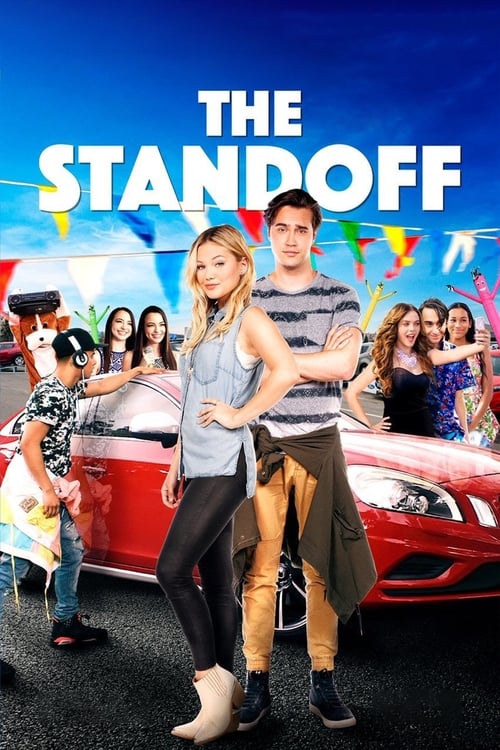
The Standoff
2016
No user ratings available yet
Diversity score: 5.3 out of 10
2014
Director
Justin Nijm, Jack Bishop, Rachel Lee Goldenberg
Runtime
4 minutes
Average Rating
No ratings yetSynopsis
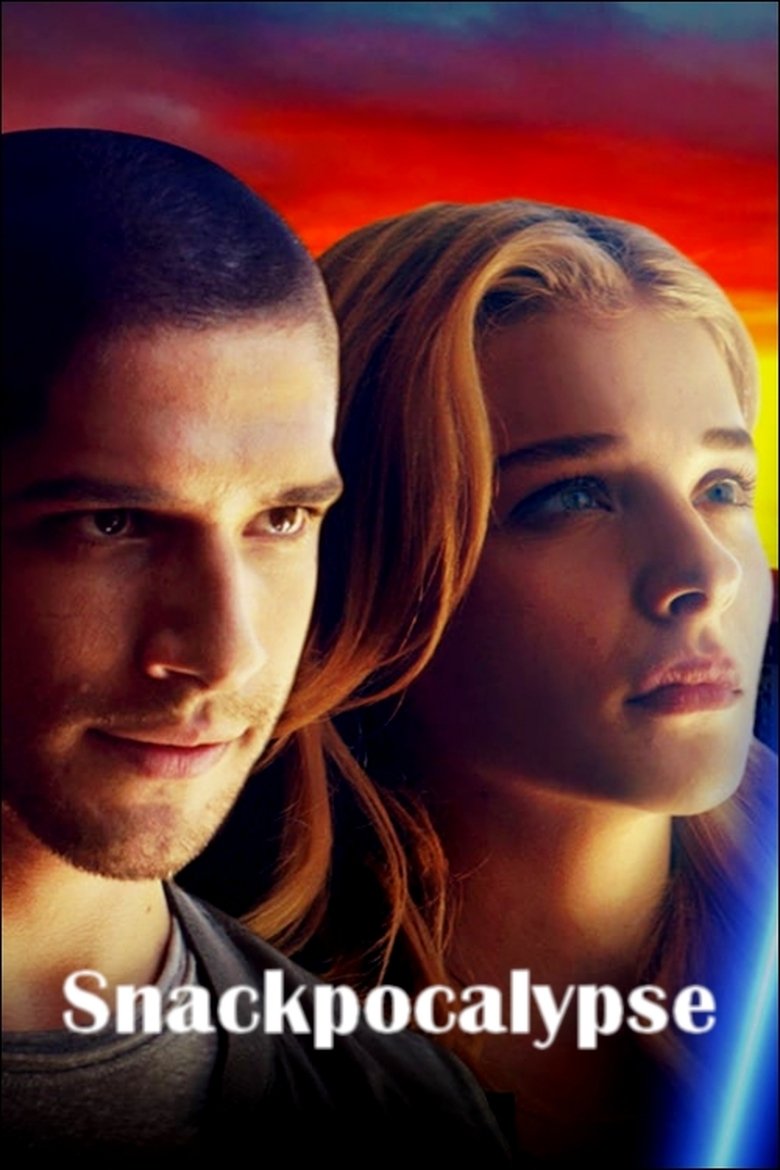
In a post-apocalyptic world all the people are eating junk foods. Except Trish. Trish is different.
Overall Score
Fair
Category Breakdown
LGBTQ+ Representation
The film utilizes an outsider trope through its protagonist. While no explicit queer identities are confirmed, the narrative structure allows for themes of non-conformity.
Gender Representation
Trish serves as the central female protagonist and agent of change. Her distinction from the mindless majority suggests a potential subversion of traditional gendered roles.
Racial & Ethnic Diversity
The available information provides no details regarding the racial or ethnic composition of the cast. There is no evidence of diverse ethnic representation.
Religious & Cultural Diversity
The story critiques consumer capitalism and the impact of mass-marketed commodities. It explores individual agency against a backdrop of societal homogeneity and mindless consumption.
Disability Representation
There is no indication of characters with physical or neurodivergent disabilities. The narrative focus remains on dietary habits and social behavior.
Strengths
Areas for Improvement
AI Analysis
Snackpocalypse centers on a female protagonist, Trish, who acts as a disruptive force in a society defined by junk food consumption. This positioning offers a foundation for exploring themes of individuality and subverting social norms. However, the film's diversity is limited by a lack of specific demographic data. While the critique of consumer culture provides a thematic layer, the absence of visible racial, ethnic, or disability-based representation prevents a more comprehensive score. Ultimately, the film's strength lies in its structural potential for non-conformity, even if explicit identity-based narratives are not present in the current overview.
2016
2009
2007
2010
2013
2021
2020
2013
2001
2020
2007
2016
No reviews yet. Be the first to share your thoughts on this movie!
Use the rating form above to leave a star rating and optional review.