
The Mayor of Casterbridge
2003
No user ratings available yet
Representation score: 2.4 out of 10
Representation Score
Minimal
1980
Director
Peter Werner
Runtime
41 minutes
Average Rating
No ratings yetNew Showbiz Analysis
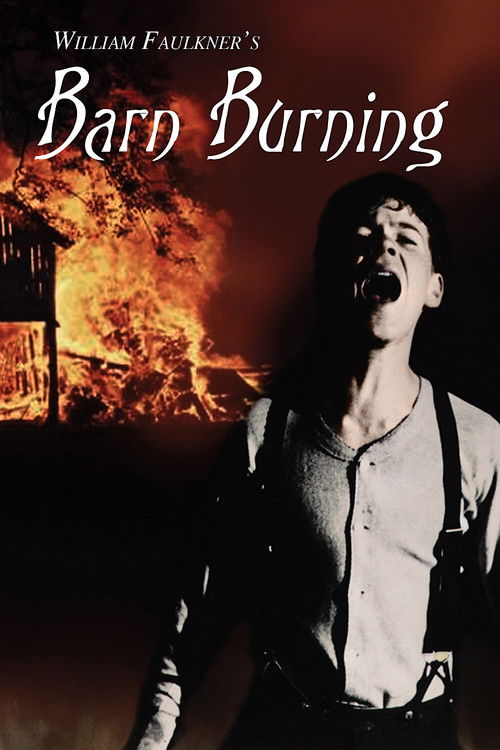
Barn Burning is a character-driven period drama that prioritizes the exploration of individual morality and class tension over demographic breadth. It focuses on the breakdown of social order through a specific, localized lens. The film lacks diverse representation regarding race, gender, and orientation. However, it achieves narrative complexity by challenging the sanctity of the traditional family unit and capitalist property structures. Ultimately, the work remains rooted in a traditional, homogeneous setting, trading demographic variety for a deep dive into the destructive impulses of a single family.
Category Breakdown
The film follows a traditional framework that assumes everyone is straight and cisgender. There are no depictions of LGBTQ+ identities or queer themes.
The story centers on masculine dynamics and the struggle for control between a father and his son. It lacks significant female character development or challenges to traditional gender roles.
The cast is predominantly white, reflecting the historical context of the source material. The film depicts a homogeneous rural Southern community with minimal diversity in race.
The narrative critiques the stability of the Southern social order and class divisions. It explores the tension between familial loyalty and legal authority through the lens of poverty.
There are no prominent depictions of physical or neurodivergent disabilities. No such traits serve as central drivers for the characters or the plot.
Present on Screen
Limited or Absent
Official Synopsis
Ab Snopes (Tommy Lee Jones) is a Southern tenant farmer whose unrelenting and violent nature proves to be his undoing in William Faulkner's Barn Burning. Snopes sets his employer's barn on fire when he thinks he's been treated unfairly. His son, Sarty, is horrified. Snopes escapes justice for lack of proof, but he and his family are told to move on. No sooner do they move than Snopes is offended by his new rich employer. Torn between trying to win his father's acceptance and his aversion to what his father will do, Sarty must make a decision and act quickly. Adapted by Academy Award winning screenwriter Horton Foote, Faulkner's complex world of class divisions and hostile family relationships comes to life through a boy's attempt to liberate himself from hatred and poverty.
2003

1989
1991

1977

1986

1993

1987
1985
No reviews yet. Be the first to share your thoughts on this movie!
Use the rating form above to leave a star rating and optional review.