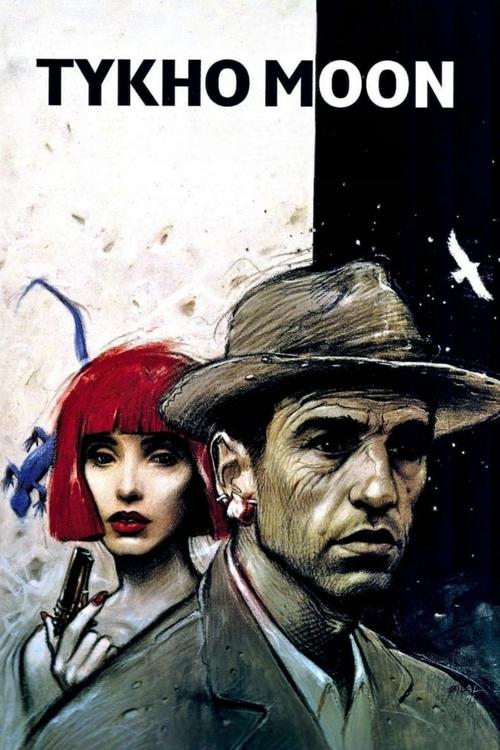
Tykho Moon
1996
No user ratings available yet
Representation score: 9.1 out of 10

Representation Score
Good
1989
Director
Enki Bilal
Runtime
95 minutes
Average Rating
No ratings yetNew Showbiz Analysis
Enki Bilal’s work serves as a sophisticated critique of systemic decay, rather than a focus on demographic inclusion. It prioritizes the deconstruction of power structures and the subversion of Western institutional stability over explicit representation of specific identities. The film challenges traditional hierarchies and focuses on the displacement of populations. Though it lacks high-contrast racial diversity or queer-coded arcs, its thematic depth regarding post-colonialism and gender ability to act offers a nuanced perspective. Ultimately, the narrative uses a postmodern lens to explore the collapse of the state, replacing traditional social anchors with a sense of mental and sensory instability.
Category Breakdown
The film doesn't show same-sex intimacy or develop characters based on LGBTQ+ identities. Its postmodern setting hints at a move away from strict the assumption that everyone is straight or cisgender, but it doesn't center specific LGBTQ+ stories.
Women play key roles in navigating the geopolitical collapse with significant autonomy. The film avoids typical domestic plots, focusing instead on the incompetence and decadence of the male-dominated ruling class.
Casting reflects a Mediterranean and European population. The narrative uses the multi-ethnic refugee experience to criticize state-driven uniformity and post-colonial themes.
The film effectively dismantles Western institutions and military hierarchies. It presents a secular, postmodern worldview that replaces traditional morals with situational ethics and anti-authoritarian critiques.
No main characters have visible disabilities. Instead, the film explores systemic psychological breakdown and sensory overload as a sign of societal collapse.
Present on Screen
Limited or Absent
Official Synopsis
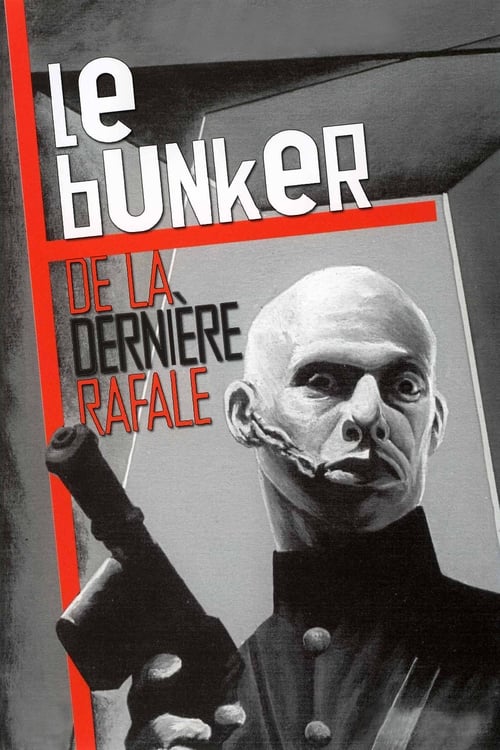
In an imaginary dictature of a futuristic world, rebellion has broken out. The men in power scramble to the Bunker Palace Hotel, a bunker built long ago for just this kind of contingency. But a rebel spy sneaks in, and although her nature is very quickly suspected, she is left to observe the raving of the decadent power class, who keeps wondering what happened to their leader, who has failed to show up.
1996
1965
1982

1984
2007
1956
1967
1992
No reviews yet. Be the first to share your thoughts on this movie!
Use the rating form above to leave a star rating and optional review.