
Bunker Palace Hotel
1989
No user ratings available yet
Representation score: 7.9 out of 10
Representation Score
Excellent
1996
Not RatedDirector
Enki Bilal
Runtime
102 minutes
Average Rating
No ratings yetNew Showbiz Analysis
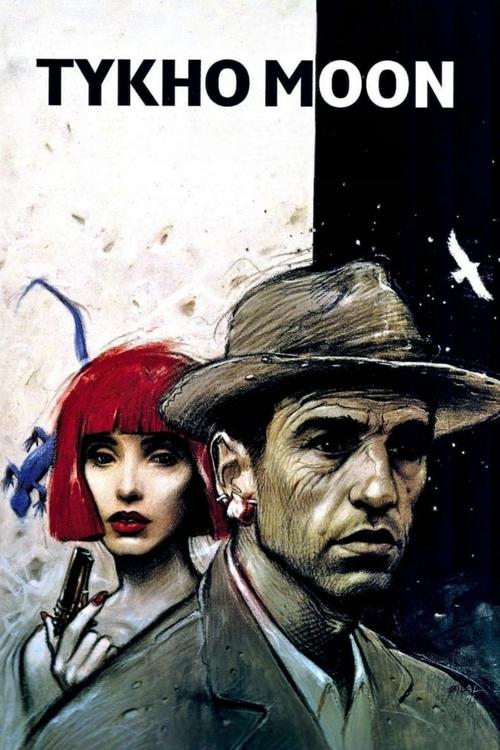
Enki Bilal’s Tykho Moon stands out as a critique of systemic structures. By placing the story in a post-colonial, Mediterranean context, the film avoids Western-centric clichés and presents a more global, multicultural perspective. The work effectively dismantles traditional views of heroism and authority, creating a complex atmosphere where institutions are shown as inherently flawed and deteriorating. While the film touches on biological vulnerability and unconventional relationships, it doesn’t delve deeply into specific queer identities or disability-focused stories. Instead, it uses these elements as metaphors for broader societal issues.
Category Breakdown
The film uses a dream-like atmosphere that steers clear of strict assumptions about straight relationships. It includes intimate moments that don't follow typical romantic storylines.
The film challenges traditional gender roles by showing authority figures as part of a failing system. Characters like Lena have complex roles that go beyond simple stereotypes.
Set in a Mediterranean setting, the film features a diverse cast that speaks many languages. This mix of cultures moves away from focusing solely on Western perspectives.
The story deeply criticizes centralized power and technological progress. It highlights the struggles of individuals against corrupt systems, emphasizing existential issues and anti-capitalist themes.
The McBee family's fight against a mysterious illness drives the plot. However, this storyline serves more as a metaphor for broader societal issues rather than a detailed exploration of personal experiences with disability.
Present on Screen
Limited or Absent
Official Synopsis
The McBee family has erected a government over a future 'colony', that looks like a run-down Paris divided into sectors by the Berlin Wall. All male family members suffer from a mysterious disease and are in urgent need of organ transplants. The perfect donor, Tykho Moon, probably has been killed in a fire, but according to rumours he's still alive. Although assassins stalk the family members, the McBees start a hunt for Tykho. Trying to escape the dragnet, Alex, a sculptor, meets Lena, a killer posing as a whore.
1989
1980
2004
1989
1989
2008
1996
1981
No reviews yet. Be the first to share your thoughts on this movie!
Use the rating form above to leave a star rating and optional review.