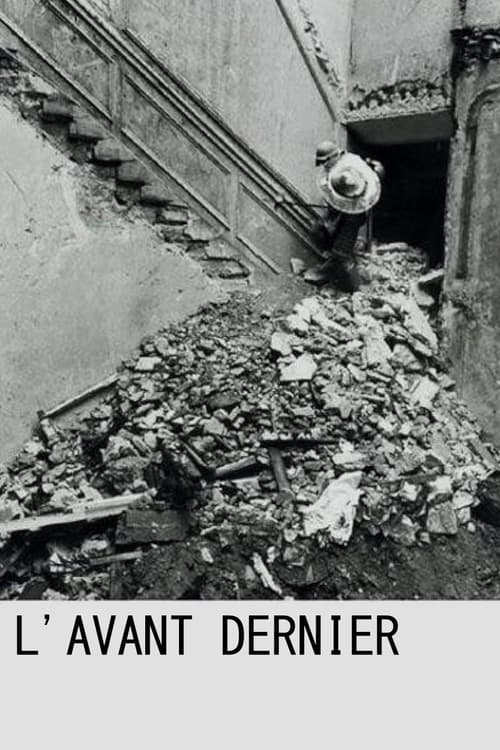
The Penultimate
1981
No user ratings available yet
Representation score: 2.1 out of 10
Representation Score
Good
1983
RDirector
Luc Besson
Runtime
90 minutes
Average Rating
No ratings yetNew Showbiz Analysis
Luc Besson’s film gains its value through the radical deconstruction of societal norms rather than demographic inclusion. It dismantles the foundations of Western civilization, replacing structured authority with a landscape of moral relativism. The work successfully challenges the necessity of traditional institutions, presenting the collapse of the old world as a result of systemic failures. However, this emphasis on individualistic survival comes at the cost of meaningful representation. Ultimately, the film is a study of postmodernism and atmospheric world-building. It prioritizes the struggle of characters in a void over exploring diverse identities or social structures.
Category Breakdown
The film focuses on primal survival and individual isolation in a post-apocalyptic wasteland. There are no clear representations of LGBTQ+ identities or relationships that don't assume everyone is cisgender.
Characters are shown as survival-focused individuals where traditional gender roles are irrelevant. The film avoids portraying women as weak or submissive, instead highlighting their physical strength and independence.
The setting includes a group of scavengers in a desolate wasteland. While it avoids obvious racial stereotypes, the cast lacks diversity with different ethnic backgrounds.
The film provides a critical look at Western institutions like capitalism and organized religion. It replaces traditional moral codes with situational ethics driven by scarcity.
In a world where characters are almost silent, the film uses this to represent a collective inability to communicate effectively. This serves as a stylistic choice rather than a detailed look at disabilities.
Present on Screen
Limited or Absent
Official Synopsis
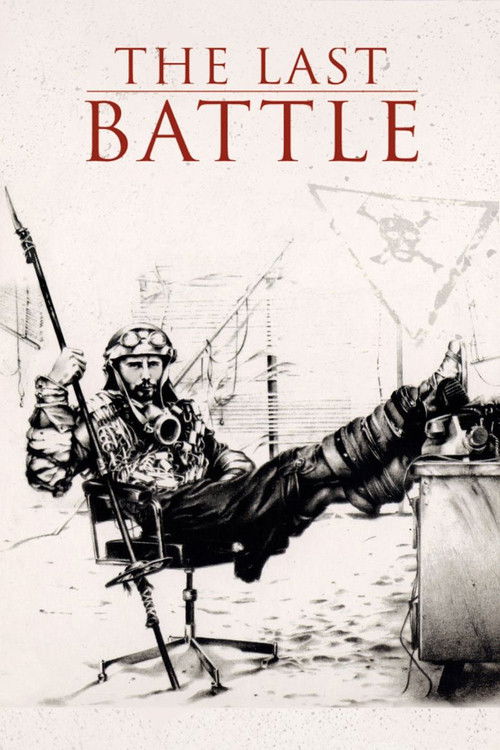
The plot explores the devastation of civilization and issues of brutality, hostility and isolation. Pierre Jolivet stars as the main character (identified only as "The Man" in the end credits) who is menaced by "The Brute" (played by Jean Reno) on his journey through a world filled by people rendered nearly mute by some unknown incident.
1981
1965
1982

1963
1981
1962
1985
1971
No reviews yet. Be the first to share your thoughts on this movie!
Use the rating form above to leave a star rating and optional review.