
White Slaves of Chinatown
1964
No user ratings available yet
Representation score: 1.6 out of 10
Representation Score
Limited
1964
Not RatedDirector
Joseph P. Mawra
Runtime
70 minutes
Average Rating
No ratings yetNew Showbiz Analysis
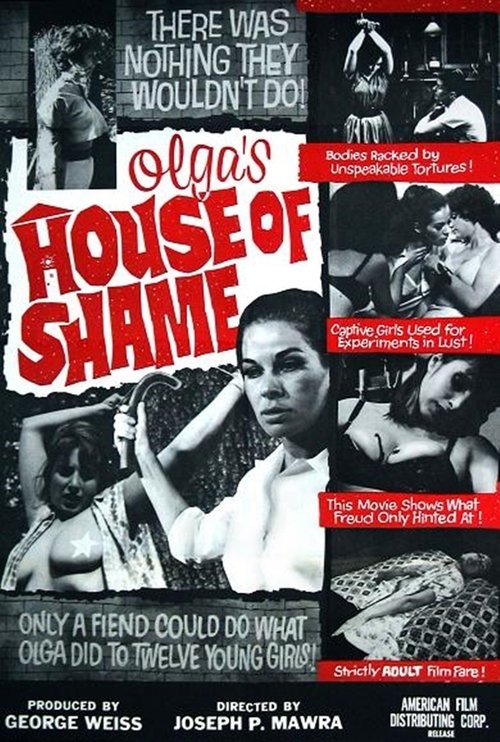
Olga's House of Shame is a classic exploitation film that prioritizes shocking visuals over deeper social commentary. While it introduces a female criminal lead, the execution frequently descends into caricature. The film heavily relies on sensationalist clichés such as torture and 'white slavery' to drive its plot. These elements rely on established genre formulas rather than providing nuanced or progressive perspectives. Overall, the production caters to the demands of 1960s pulp cinema. It offers visibility through its lead actress but lacks the complexity needed for a higher diversity rating.
Category Breakdown
The film does not include any LGBTQ+ characters or narratives. It emphasizes traditional power dynamics based on gender roles rather than exploring queer identities.
Audrey Campbell leads as a powerful female criminal, challenging passive female stereotypes. However, her portrayal often leans into caricature and relies on gendered stereotypes of vulnerability.
Audrey Campbell brings significant racial visibility in a lead role for her time. The film lacks a diverse cast and does not meaningfully challenge racial hierarchies.
The narrative uses crime and sensational violence to convey pulp morality. It does not offer a critical look at institutions, focusing instead on criminal activities.
There is no visible evidence of characters with physical or neurodivergent disabilities.
Present on Screen
Limited or Absent
Official Synopsis
In this third installment of the "Olga" series, our heroine adds jewel smuggling to her repertoire of dope pushing and white slavery. As the vicious Olga (Audrey Campbell) expands her criminal empire, she also encounters more resistance as a string of once-trusted partners turn traitor in an effort to steal the successful racket out from under her. The result is exactly what fans of the series expect, a barrage of torture scenes featuring soldering irons, floggings, spankings, and even an electric chair. As with its predecessors, Olga's House of Shame is a silent black and white film with narration to explain the action, but even with direct commentary it's difficult to keep track of the characters and Campbell (who is occasionally caught laughing out loud at the absurdity of it all) has all the menace of a kindergarten teacher, even when wielding a machete.
1964

1964
1974

1933
1966

1974
1968

1978
No reviews yet. Be the first to share your thoughts on this movie!
Use the rating form above to leave a star rating and optional review.