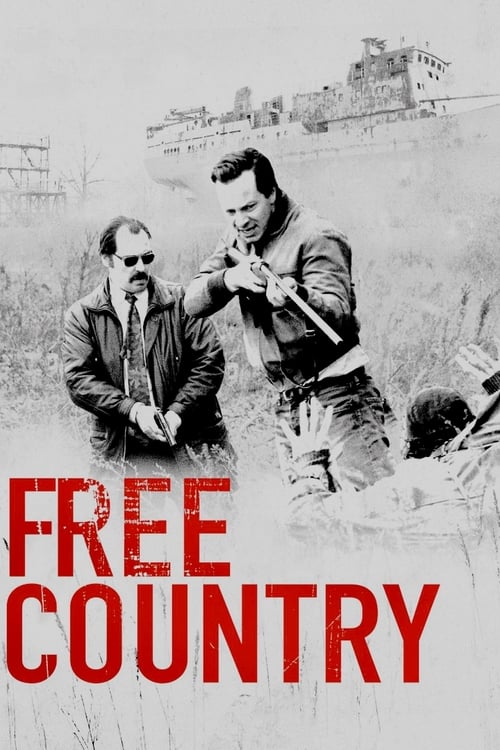
Free Country
2020
No user ratings available yet
Representation score: 4.5 out of 10
Representation Score
Limited
2021
Director
Marcus Lim
Runtime
85 minutes
Average Rating
No ratings yetNew Showbiz Analysis
The film primarily functions as a political thriller set in a specific historical period. Its diversity is limited by its historical context, which restricts the range of demographic representation. While the film successfully centers a woman in a high-stakes professional role, the narrative structure remains narrow. The focus on 1974 West Germany means there is little characters who reflect more than one aspect of diversity. Ultimately, the work offers progressive value through its subversion of traditional gender roles rather than through a diverse cast. It prioritizes genre tension and historical atmosphere over a broad range of demographics.
Category Breakdown
The film does not include any references to LGBTQ+ identities or same-sex relationships. There are no characters who identify as part of the LGBTQ+ community.
Sophie Zimmermann is a central character with significant professional authority. She plays a key role in demonstrating female intellect and ability to act within a male-dominated environment.
Given the 1974 West German setting, the cast is likely to be predominantly white. There is no indication of diverse ethnic representation or characters from different racial backgrounds.
The story delves into Cold War themes, focusing on the tension between state institutions and individuals during a time of political instability. It highlights the impact of systemic suspicion on personal freedom.
There are no characters with physical, sensory, or neurodevelopmental disabilities featured in the narrative.
Present on Screen
Limited or Absent
Official Synopsis
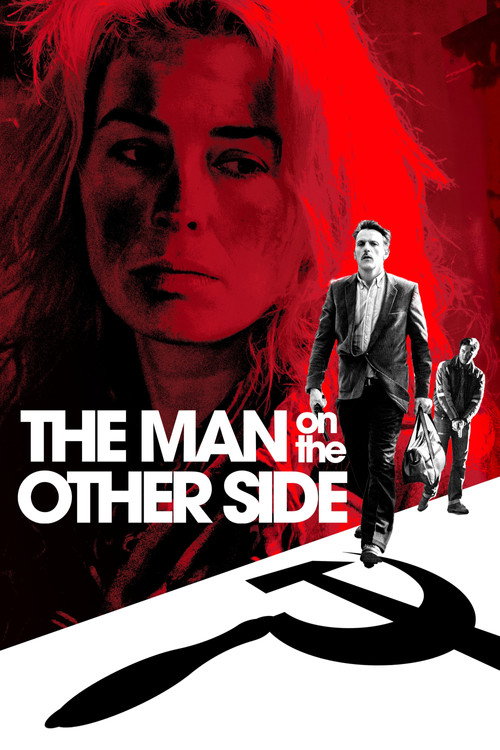
Bonn, West Germany, 1974, in the middle of the Cold War. Young government official Sophie Zimmermann is being hunted and the only way to survive is to find out the identity of the man she knows as Dieter.
2020
2007
2021
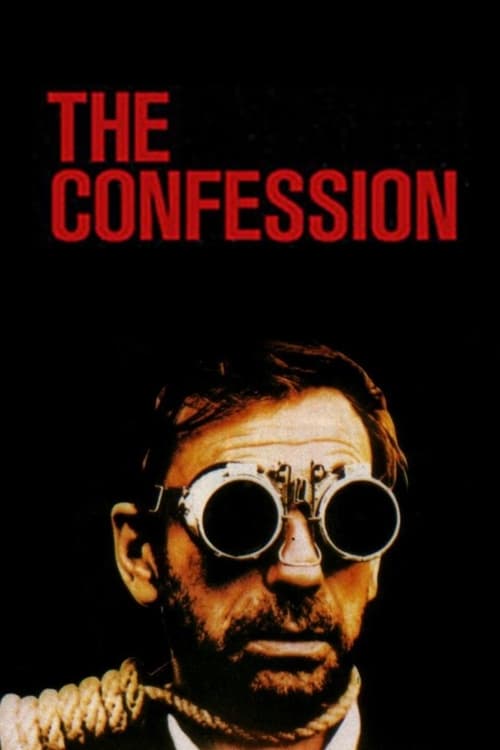
1970
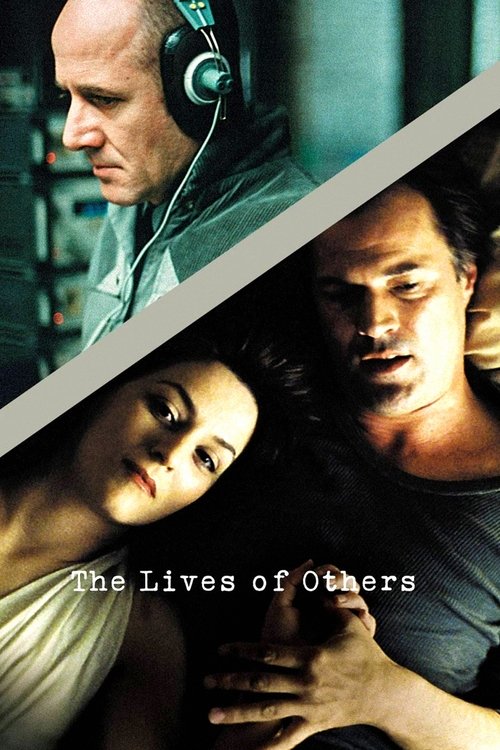
2006
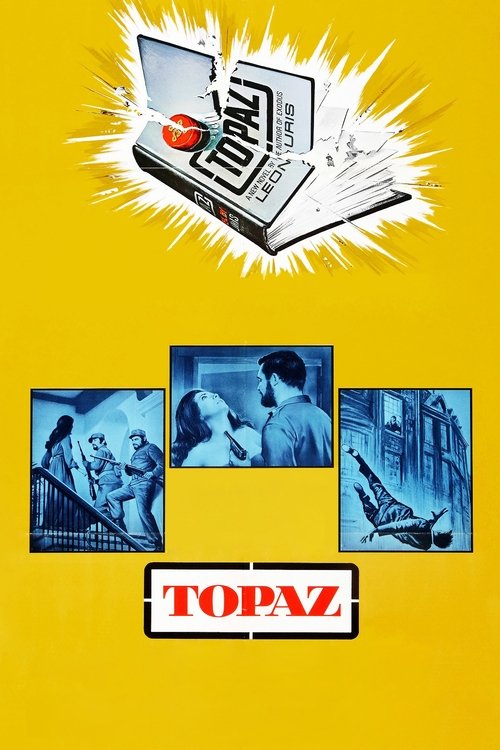
1969
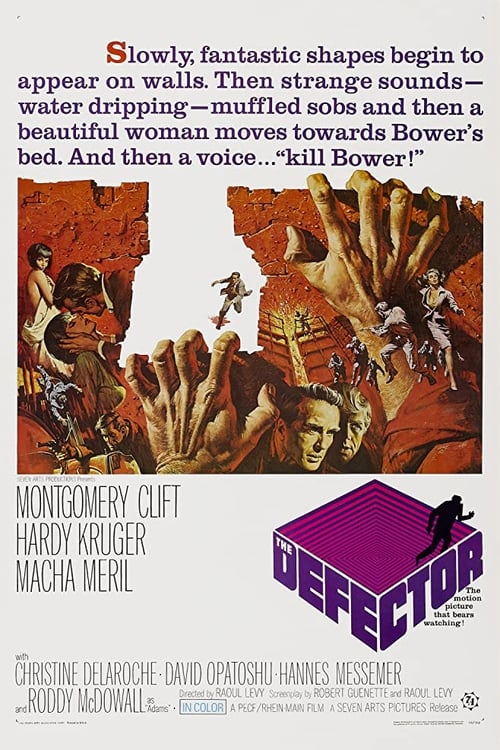
1966

1965
No reviews yet. Be the first to share your thoughts on this movie!
Use the rating form above to leave a star rating and optional review.