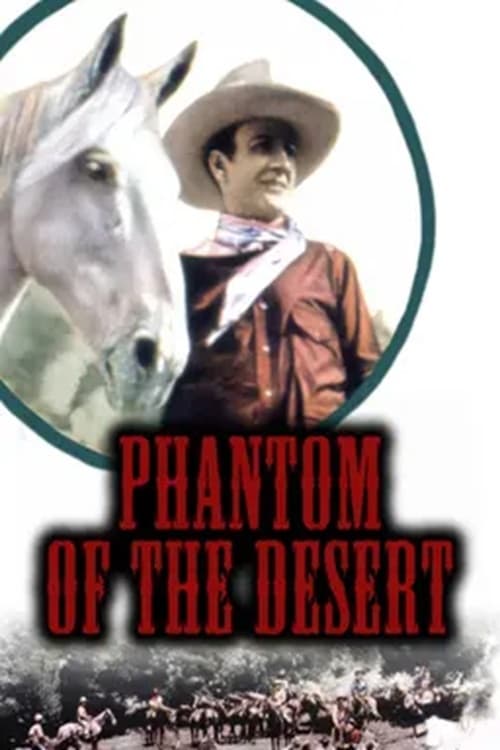
Phantom of the Desert
1930
No user ratings available yet
Representation score: 1.3 out of 10
Representation Score
Minimal
1931
PassedDirector
Stuart Paton
Runtime
60 minutes
Average Rating
No ratings yetNew Showbiz Analysis
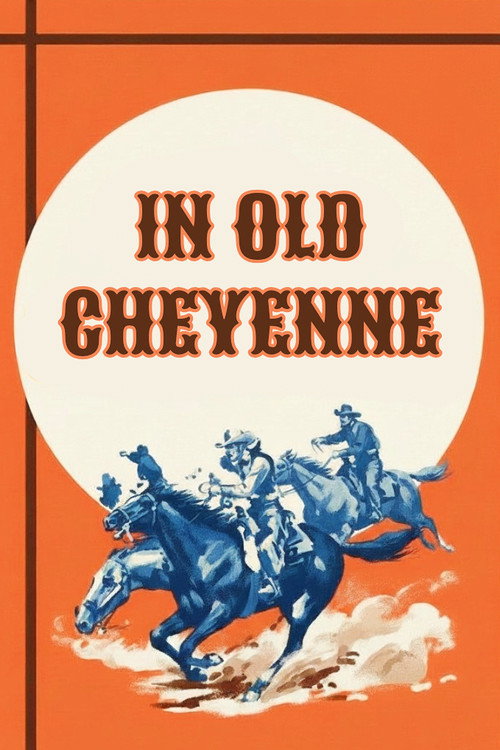
In Old Cheyenne is a standard genre piece that functions as a product of its era. The narrative relies heavily on established Western archetypes and traditional social hierarchies common to the early 1930s studio system. The film lacks intentionality regarding diverse storytelling. Instead, it focuses on individual heroism and the preservation of existing institutional norms, such as ranch ownership and law and order. Ultimately, the work reinforces the status quo rather than disrupting power dynamics. It provides little representation outside of the conventional white, straight-centered, and patriarchal structures of the period.
Category Breakdown
The film follows a traditional romantic storyline centered around the protagonist and Helen Sutter. It reinforces the assumption that everyone is straight or cisgender without showing any non-traditional gender identities.
Gender roles remain traditional, with Helen Sutter framed through her familial connections. The narrative adheres to masculine leadership clichés, focusing on the male protagonist's role in resolving conflicts.
The story focuses on a white ranching community and lacks a diverse cast. It does not utilize casting to challenge the social norms of 1931.
The plot emphasizes property rights, ranch ownership, and the restoration of social order. It reinforces traditional notions of justice and the importance of the family unit.
There are no visible or invisible disabilities portrayed within the primary character arcs of the film.
Present on Screen
Limited or Absent
Official Synopsis
A remake of 1930's "Phantom of the Desert", in which a crooked foreman and the ranch hands are rustling horses, and laying the blame on a wild stallion that roams the surrounding hills.In this one the principals are Jim/Cheyenne(Rex Lease) as the cowhand that comes along and clears the horse,Starlight;the crooked foreman is Clyde Winslow(Harry Woods), while Helen Sutter(Dorothy Gulliver) is the daughter of ranch owner Frank Sutter(Jay Hunt.) This one was remade at least four more times by 1940.
1930
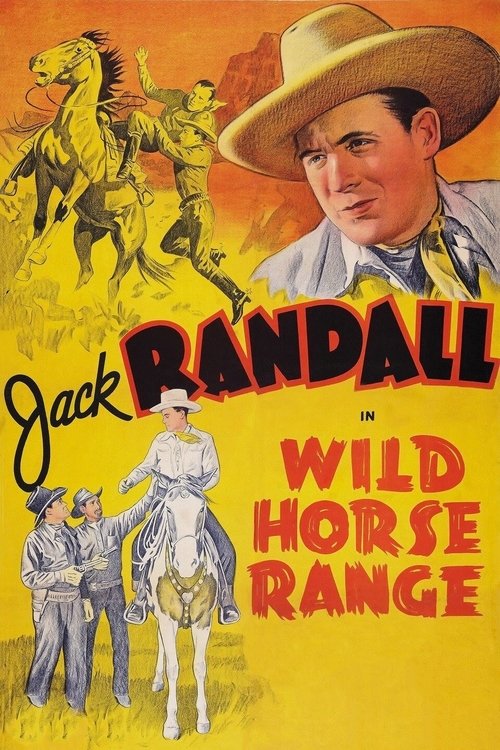
1940
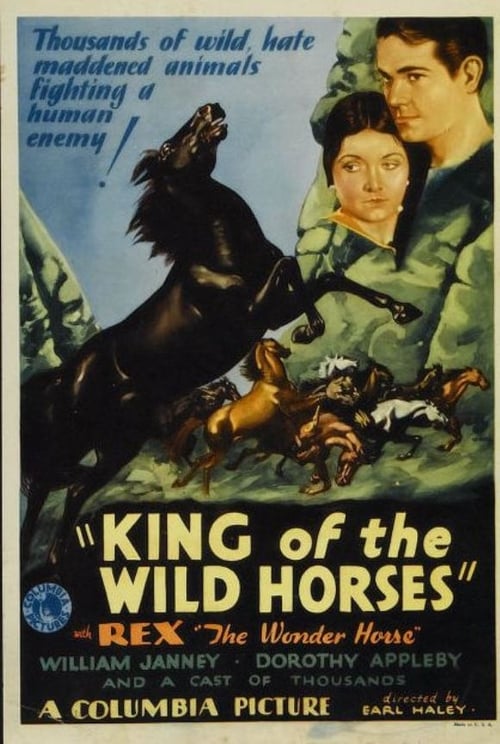
1933
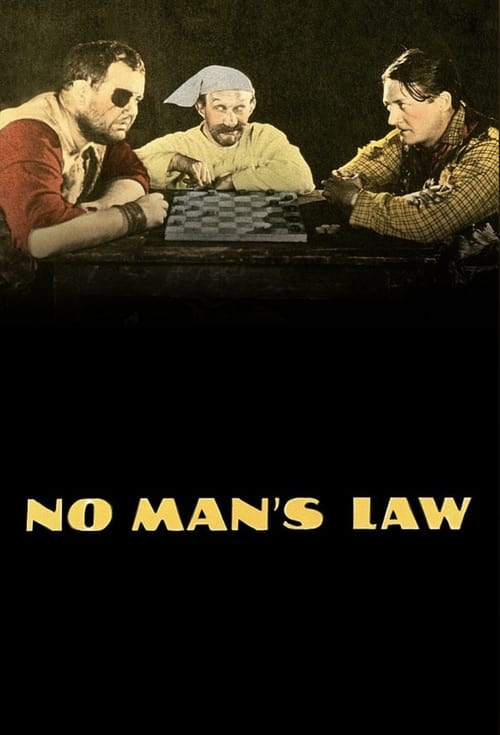
1927
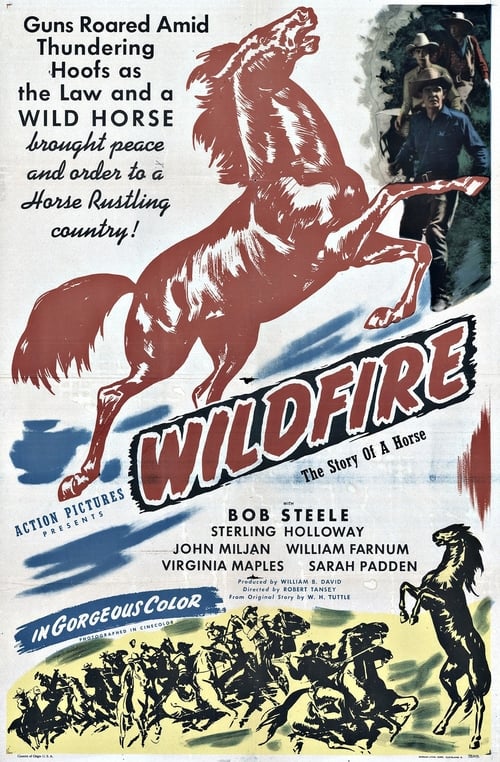
1945
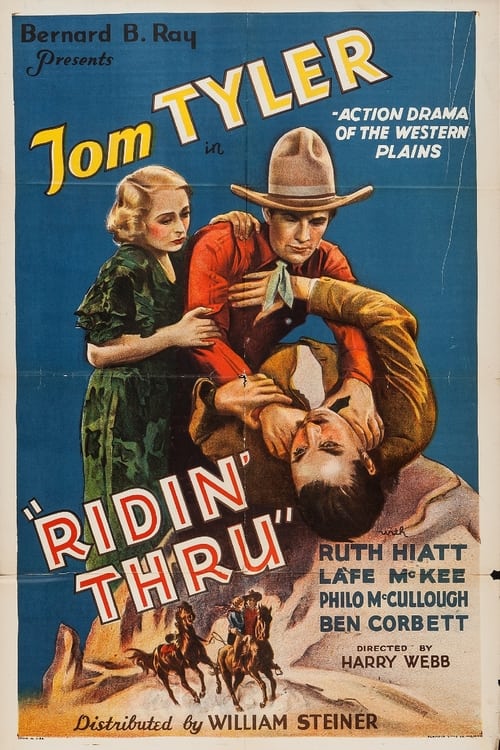
1934
1931
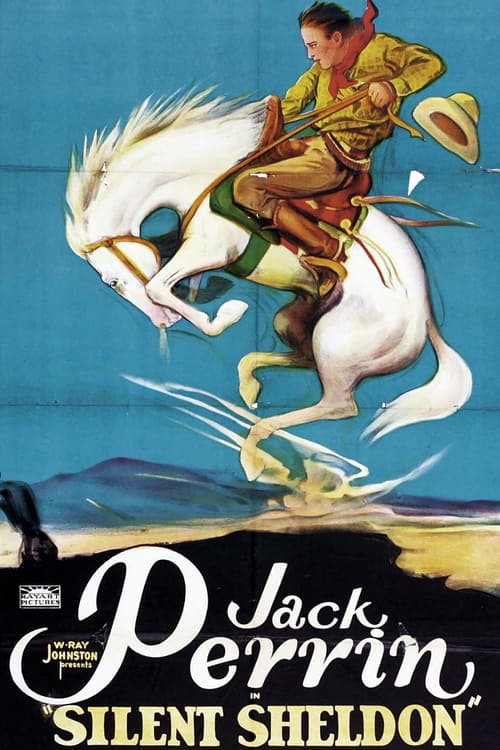
1925
No reviews yet. Be the first to share your thoughts on this movie!
Use the rating form above to leave a star rating and optional review.