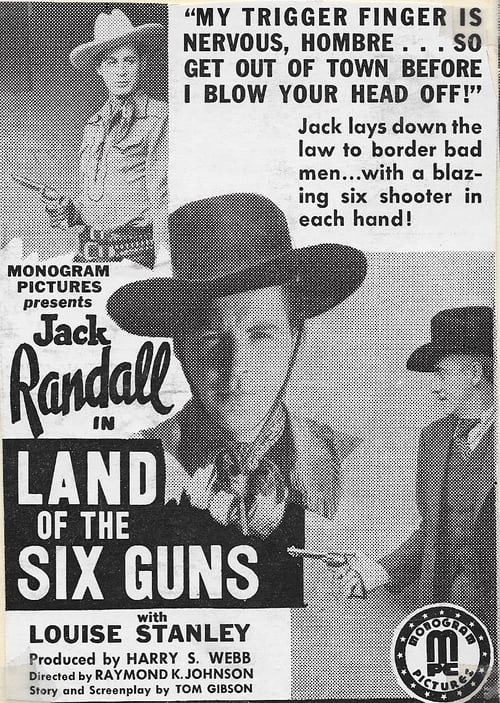
Land of the Six Guns
1940
No user ratings available yet
Diversity score: 2.2 out of 10
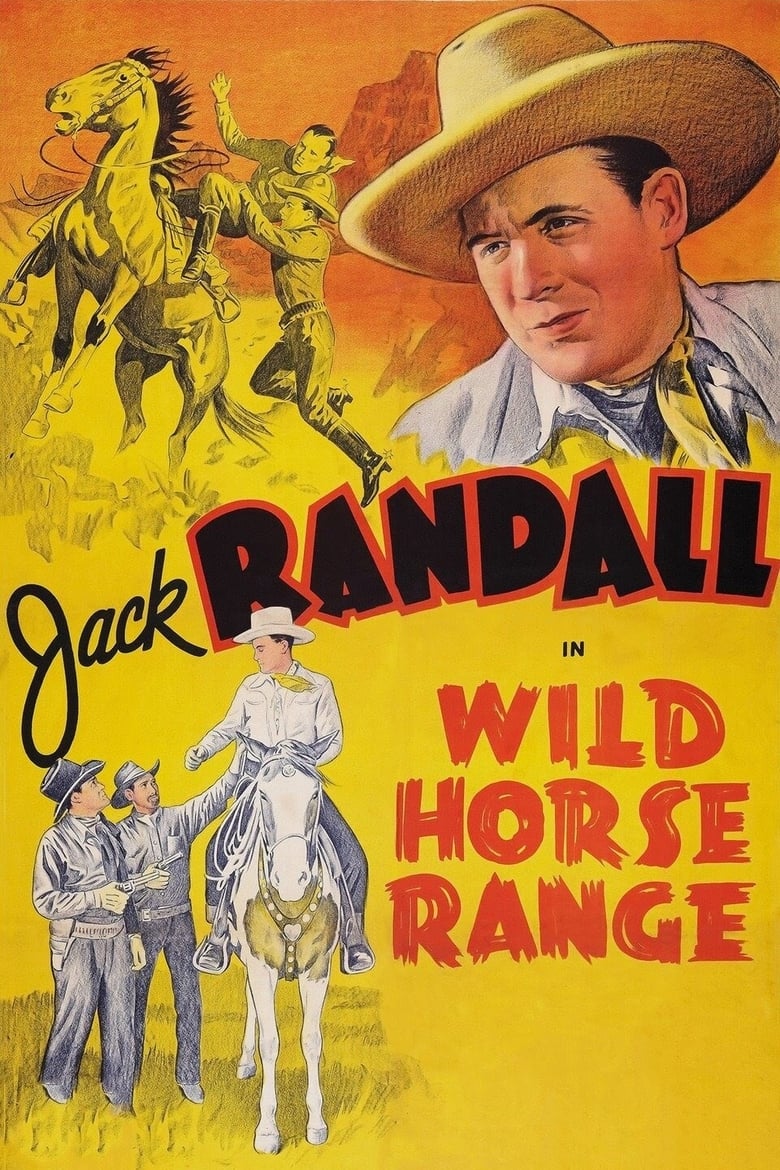
1940
ApprovedDirector
Raymond K. Johnson
Runtime
58 minutes
Average Rating
No ratings yetSynopsis
Randall and his sidekick Manny (Frank Yaconelli) played horse traders battling a greedy and unscrupulous rival (Tom London). When some of his stock disappears, Jack follows the trail to a ranch belonging to Harriet Morgan (Marin Sais) and her young niece, Ann (Phyllis Ruth). A white stallion is accused of luring the Morgan mares astray but the horses are in reality being rustled by the ever-present London and his henchman (Charles King).
Overall Score
Minimal
Category Breakdown
LGBTQ+ Representation
The film contains no discernible presence of LGBTQ+ characters or themes. The narrative focuses exclusively on heteronormative social structures and traditional masculine camaraderie.
Gender Representation
The narrative is heavily male-centric, reinforcing traditional gender hierarchies. While Harriet Morgan is a central figure, her role remains tied to domestic or ranch-based stability.
Racial & Ethnic Diversity
The cast reflects the homogeneous social landscape common to 1940s Westerns. The story focuses on white protagonists and antagonists, lacking non-Anglo-Saxon perspectives.
Religious & Cultural Diversity
The film reinforces traditional Western values regarding property ownership and frontier justice. It promotes a conventional view of capitalism and livestock protection.
Disability Representation
There is no visible or documented representation of physical or neurodivergent disabilities. Characters are portrayed through the lens of able-bodied frontier archetypes.
Strengths
Areas for Improvement
AI Analysis
Wild Horse Range functions as a standard 1940s B-Western, adhering strictly to the established social hierarchies and archetypes of its era. The plot centers on masculine agency, property rights, and the enforcement of justice against unscrupulous rivals. The film offers no narrative disruption or subversion of cultural norms. It operates within a predictable framework that prioritizes traditional masculine leadership and a binary moral structure. Ultimately, the production serves as a historical baseline for the genre, upholding the status quo rather than engaging with intersectional complexity or diverse perspectives.
1940
1940

1937
1936
1944
1942
1933
1933
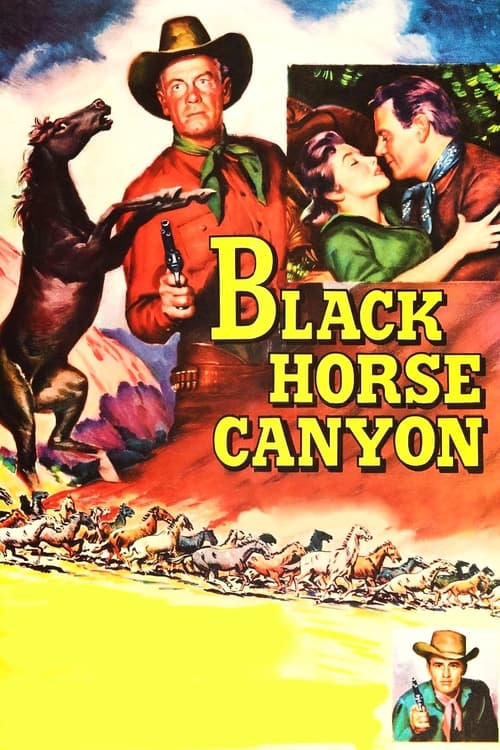
1954
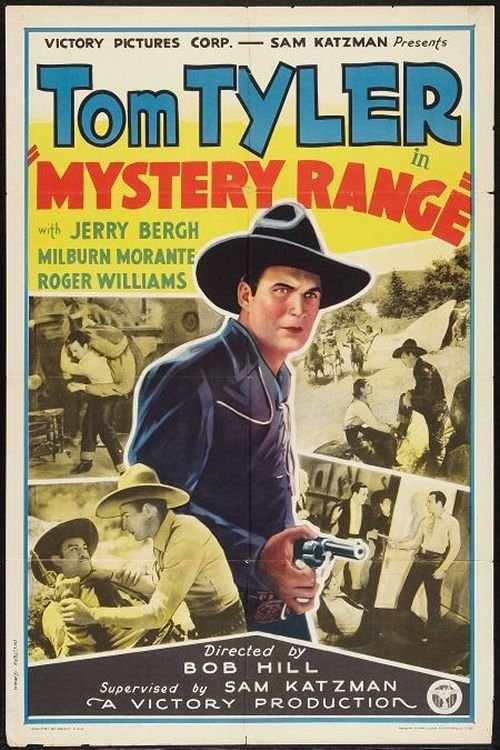
1937
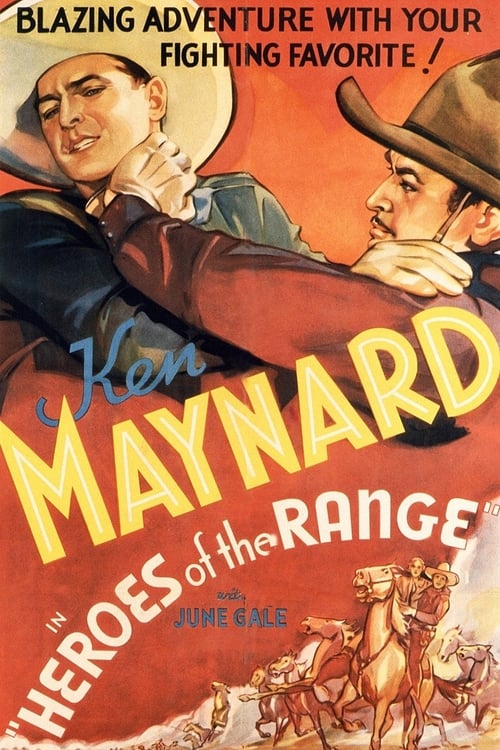
1936
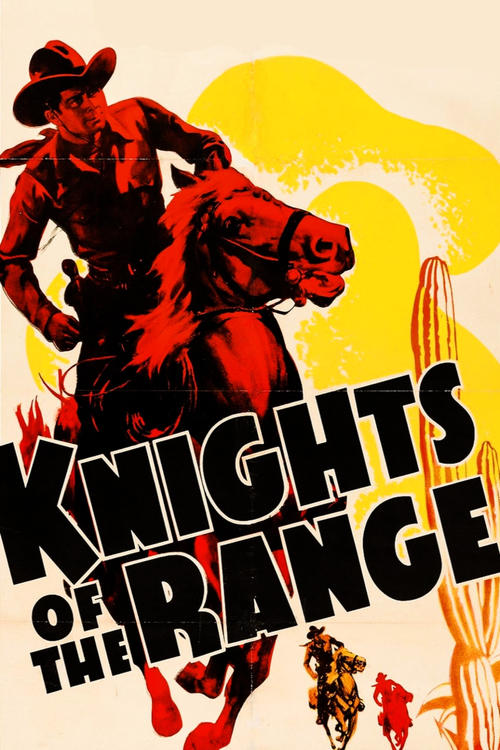
1940
No reviews yet. Be the first to share your thoughts on this movie!
Use the rating form above to leave a star rating and optional review.