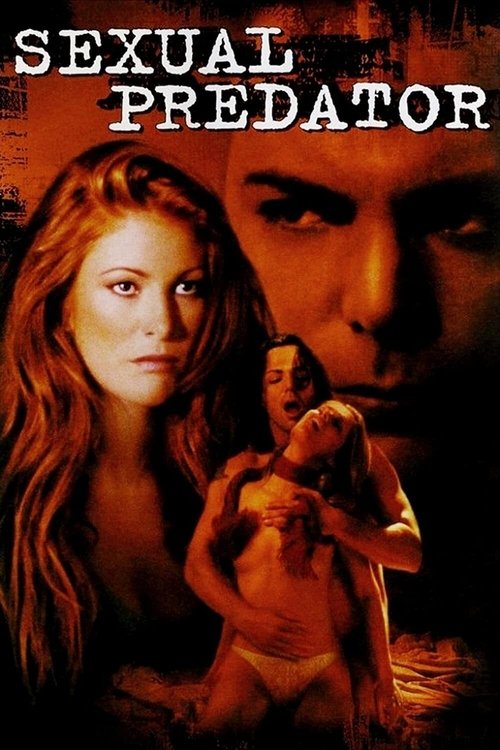
Sexual Predator
2001
No user ratings available yet
Representation score: 0.6 out of 10
Representation Score
Minimal
1996
Director
Rudolf van den Berg
Runtime
101 minutes
Average Rating
No ratings yetNew Showbiz Analysis
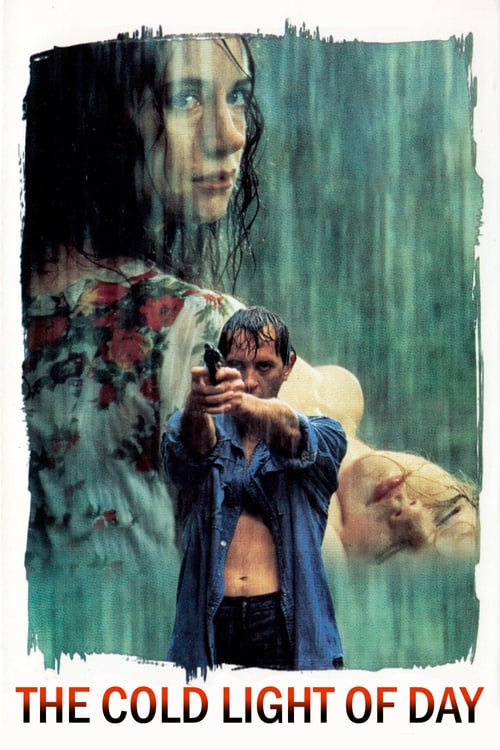
The Cold Light of Day is a conventional neo-noir thriller that prioritizes psychological tension over social or characters who reflect more than one aspect of diversity. It operates within the standard cinematic norms of the mid-1990s, focusing on a narrow, homogeneous social environment. While the film gives significant narrative power to the female lead, it does not challenge traditional gender hierarchies or include diverse racial, ethnic, or LGBTQ+ perspectives. The narrative remains centered on a white, straight cast, offering little disruption to historical casting norms. Ultimately, the film does not intentionally address identity politics. It relies on established genre formulas that prioritize individualistic struggle over a broader, more inclusive perspective.
Category Breakdown
The film sticks to a framework that assumes everyone is straight and cisgender. There is no representation of LGBTQ+ identities or same-sex relationships.
The female lead plays a key role in driving the mystery. However, the plot focuses on traditional male leadership and suspense.
The cast is mostly white and Anglo-Saxon, reflecting the genre norms of the mid-1990s. There is no racial or ethnic diversity among the main characters.
The story centers on individual survival and psychological tension, avoiding cultural or social critiques. It follows a typical noir storyline focused on personal morality.
The film does not portray any disabilities, visible or invisible. It does not use neurodivergence or physical disabilities as central narrative elements.
Present on Screen
Limited or Absent
Official Synopsis
A troubled detective befriends a single woman and her daughter with the intention of using them as bait for a serial killer.
2001
1992
2005

1984
1997

1984
2012
2006
No reviews yet. Be the first to share your thoughts on this movie!
Use the rating form above to leave a star rating and optional review.