The Comeback Trail
1982
No user ratings available yet
Representation score: 2.8 out of 10
Representation Score
Minimal
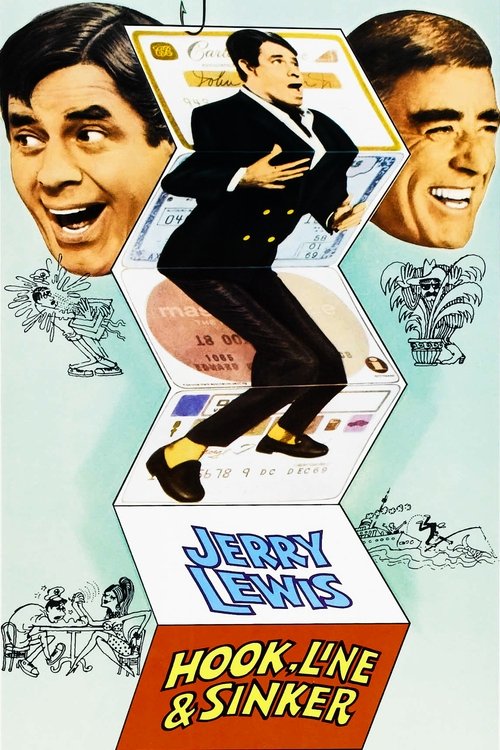
1969
GDirector
George Marshall
Runtime
91 minutes
Average Rating
No ratings yetNew Showbiz Analysis
Hook, Line and Sinker is a traditional mid-century situational comedy that prioritizes mainstream comedic clichés over social subversion. The narrative follows a classic 'errant behavior' arc, where a character reacts to a perceived life-altering event through reckless consumerism. The film adheres to the established Hollywood structures of 1969, focusing on individualistic consequences rather than systemic critiques. It lacks intentional multi-layered representation or the disruption of established cultural norms. Ultimately, the work functions as a standard comedy of errors, centering on a singular professional identity and conventional social roles.
Category Breakdown
The film does not include any characters with non-straight or non-cisgender identities. The story focuses solely on a male protagonist and his medical misunderstanding.
The story centers around a male insurance executive, a role typically associated with authority. There are no female characters shown to have significant influence or challenge traditional gender roles.
The film likely reflects the casting practices of the late 1960s, which were not diverse. The synopsis does not mention any non-Anglo-Saxon characters.
The plot explores morality through the lens of individual consumerism and sudden wealth. It operates within a conventional framework without critiquing Western or capitalist institutions.
A medical diagnosis serves as a plot device to trigger the protagonist's behavior. Since the condition turns out to be a mistake, the film does not explore physical disabilities deeply.
Present on Screen
Limited or Absent
Official Synopsis
Told he is terminally ill, an insurance executive goes on a credit-card spending spree--and then learns his medical diagnosis was a mistake.
1982
1964
1947

1937
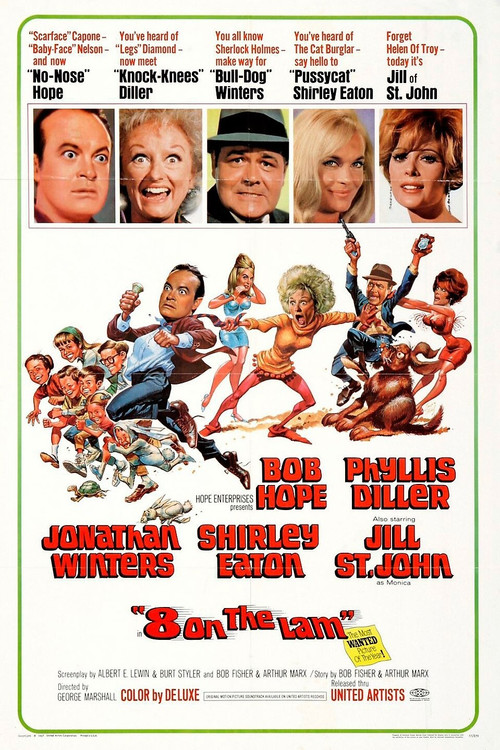
1967
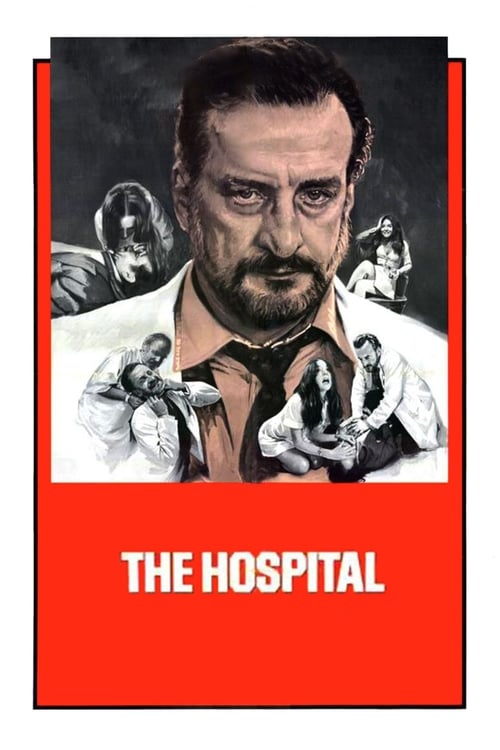
1971
1952
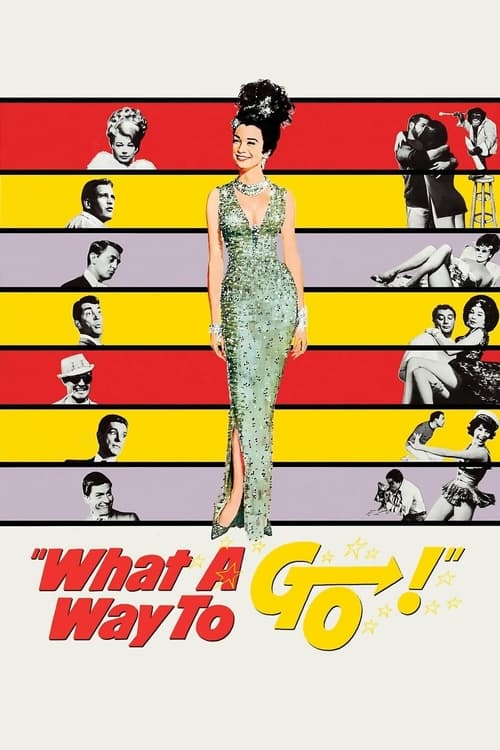
1964
No reviews yet. Be the first to share your thoughts on this movie!
Use the rating form above to leave a star rating and optional review.