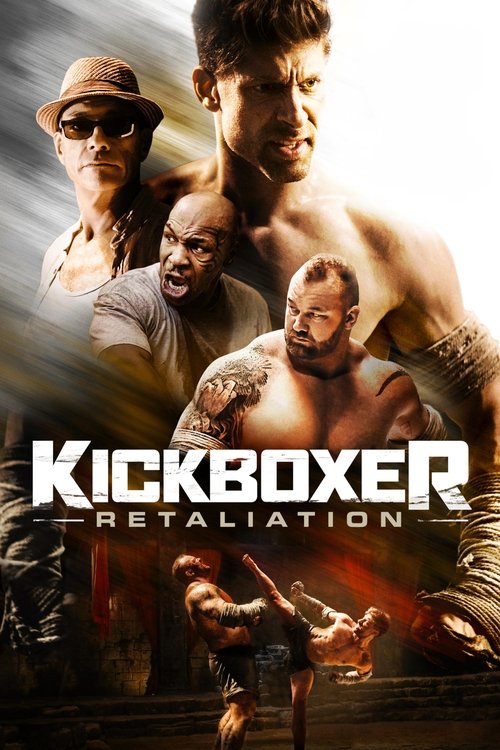
Kickboxer: Retaliation
2018
No user ratings available yet
Representation score: 1.0 out of 10

Representation Score
Minimal
2016
NRDirector
John Stockwell
Runtime
90 minutes
Average Rating
No ratings yetNew Showbiz Analysis
Kickboxer: Vengeance is a conventional genre piece that adheres to established cinematic hierarchies. It prioritizes traditional masculine archetypes and a linear moral structure centered on vengeance and physical prowess. The film relies heavily on the 'Western hero in a foreign land' cliché. While the setting provides a multicultural backdrop, the power dynamics remain centered on the Western protagonists, reinforcing a standard action cinema formula. Ultimately, the work does not attempt to challenge social norms or incorporate perspectives that reflect multiple aspects of identity. It functions as a standard exploration of martial arts clichés rather than a vehicle for progressive storytelling.
Category Breakdown
The film focuses entirely on heterosexual and cisgender bonds and sibling dynamics. There are no depictions of LGBTQ+ identities or same-sex intimacy.
The narrative operates within a patriarchal framework where male characters have significant influence over the plot. Female characters occupy peripheral roles without impacting the main storyline.
While the Thai setting features many local performers, the story follows a 'Western hero' cliché. The plot centers on Western protagonists rather than non-Western leadership.
The film emphasizes traditional values like master-student hierarchies and discipline. It focuses on personal honor and retribution rather than exploring complex moral relativism.
Characters are defined by athletic perfection and physical capability. There is no representation of visible or invisible disabilities, neurodivergence, or chronic health conditions.
Present on Screen
Limited or Absent
Official Synopsis
Eric and Kurt Sloane are the descendants of a well-known Venice, California-based family of martial artists. Kurt has always been in older brother, Eric's shadow, as he lacks the instincts needed to become a champion. Against Kurt's concerns, Eric accepts a paid offer and travels to Thailand to challenge the Muay Thai champion Tong Po and fails with dire consequences. Kurt sets out for revenge. He trains with his brother's mentor, Master Durand, for a Muay Thai fight against the merciless champion, Tong Po. Durand first thinks Kurt is impossible to train, but through a series of spiritual exercises and tests, Durand discovers that Kurt has a deeper strength that will carry him through his final showdown with Tong Po.
2018
2016

2008
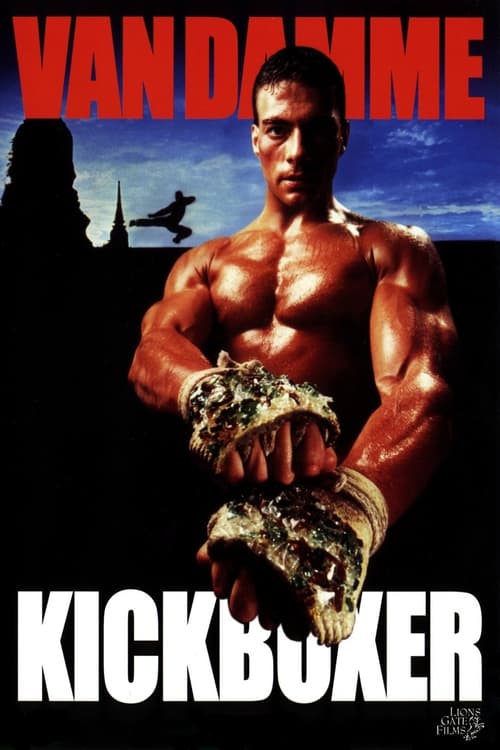
1989
1988
1992

2011
1986
No reviews yet. Be the first to share your thoughts on this movie!
Use the rating form above to leave a star rating and optional review.