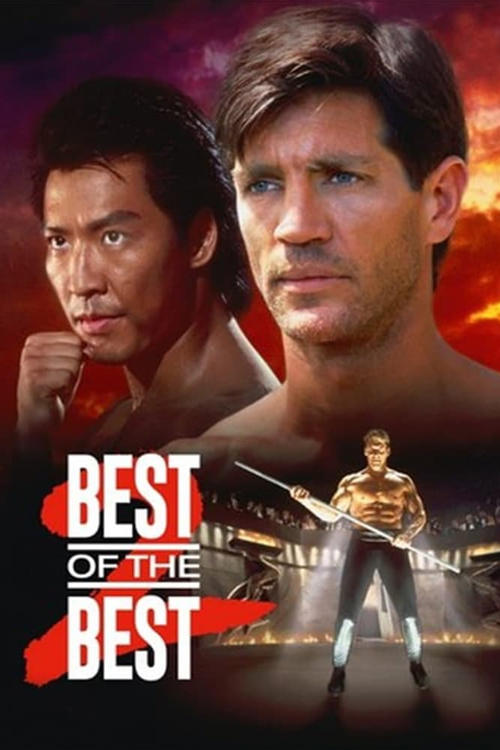
Best of the Best 2
1993
No user ratings available yet
Representation score: 1.4 out of 10
Representation Score
Minimal
1996
RDirector
Alan Mehrez
Runtime
90 minutes
Average Rating
No ratings yetNew Showbiz Analysis
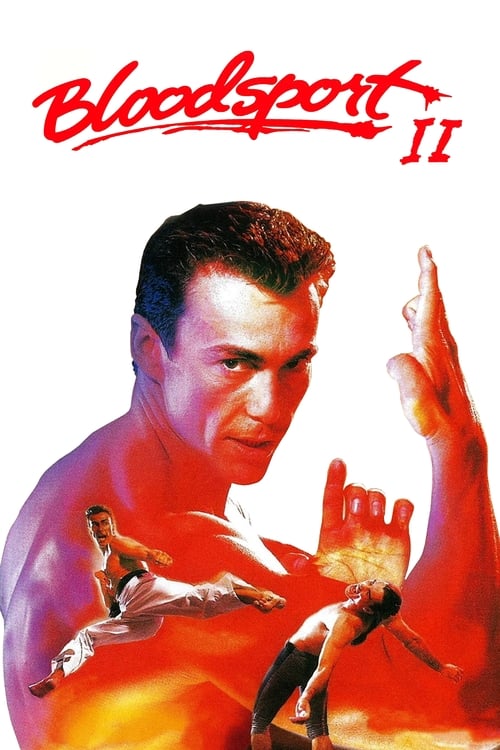
Bloodsport II follows a conventional martial arts trajectory, prioritizing a hero's journey of physical mastery and mentorship. The narrative structure is built around individualist triumph and the acquisition of combat skills, which limits its social complexity. While the setting provides a multicultural backdrop, the film remains anchored in traditional genre clichés. The focus on a Western outsider navigating an Eastern environment maintains a standard, predictable dynamic common to the action-thriller genre. Ultimately, the film lacks multi-layered depth. It adheres to established social hierarchies and masculine-coded storytelling, offering little subversion of traditional roles or diverse perspectives.
Category Breakdown
The film does not include any visible LGBTQ+ characters or narratives. The story focuses entirely on physical combat and individual survival within a traditional framework.
The narrative centers on a male-dominated hierarchy of combatants and mentors. It lacks women's ability to drive the story, focusing instead on masculine-coded struggles for dominance.
An East Asian setting and characters like Master Sun suggest a multicultural cast. However, the story primarily follows a Western protagonist navigating an Eastern landscape.
The plot utilizes traditional martial arts clichés like honor and specialized disciplines. It respects cultural artifacts like the ancient katana without offering deeper critique.
There is no representation of characters with disabilities. Physical hardship and torture serve as standard action obstacles rather than nuanced explorations of disability.
Present on Screen
Limited or Absent
Official Synopsis
After thief Alex Cardo gets caught while stealing an ancient katana in East Asia, he soon finds himself imprisoned and beaten up by the crowd there. One of the guards, Demon, feels upset by Alex appearance and tortures him as often as he gets the opportunity. Alex finds a friend and mentor in the jailhouse, Master Sun, who teaches him a superior fighting style called Iron Hand. When a 'best of the best kumite' is to take place, Demon gets an invitation. Now Master Sun and Alex need to find a way to let Alex take part in the kumite too.
1993

1989
2010
1989
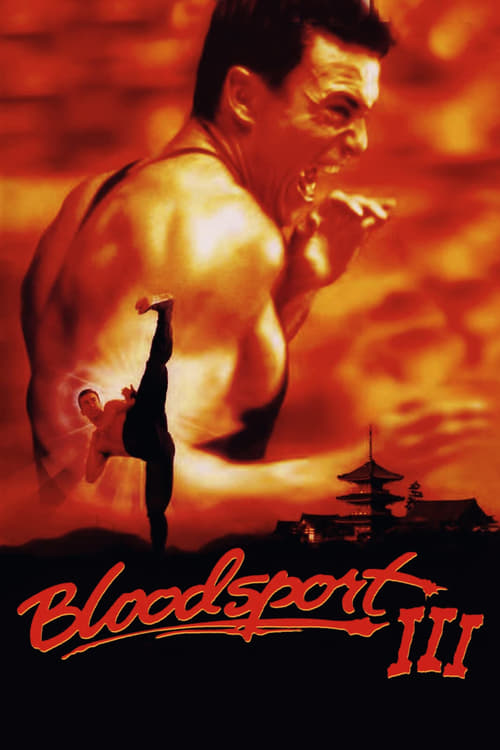
1996
1989

2016

2006
No reviews yet. Be the first to share your thoughts on this movie!
Use the rating form above to leave a star rating and optional review.