
Mr. Rock n Roll: The Alan Freed Story
1999
No user ratings available yet
Representation score: 3.1 out of 10
Representation Score
Limited
1994
PG-13Director
Allan Arkush
Runtime
84 minutes
Average Rating
No ratings yetNew Showbiz Analysis
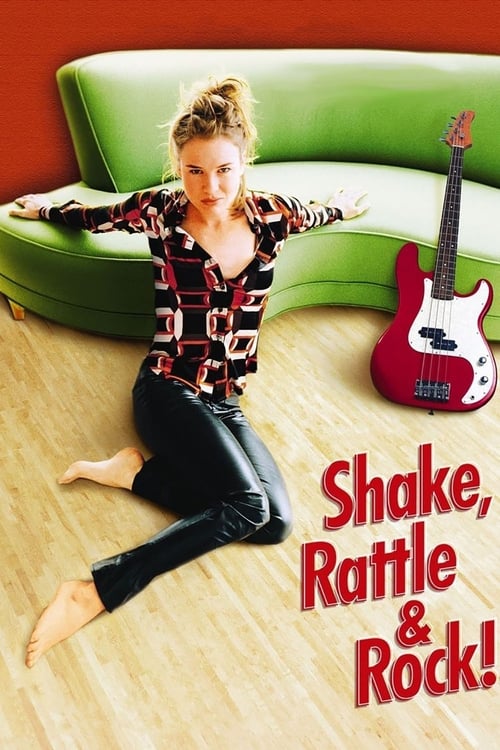
Shake, Rattle and Rock! is a traditional musical comedy that focuses on the friction between 1950s youth culture and established social orders. While the teenage protagonists drive the plot through their own actions, the film remains firmly rooted in the era's social archetypes. The narrative functions as a standard period piece rather than a tool for systemic critique. It explores generational tension through music but does not push beyond conventional social hierarchies or offer a multi-layered approach to diversity.
Category Breakdown
The film follows the traditional assumption that everyone is straight or cisgender, typical of both its 1950s setting and 1990s production. It does not include narratives or identities that challenge traditional social structures.
Female protagonists Susan and Cookie play a significant role in driving the story by starting a nightclub. However, the film relies on established mid-century gender roles without challenging these traditional hierarchies.
The small-town setting features a mix of different backgrounds typical of 1990s media. It does not prioritize perspectives from non-white communities or use actors from diverse backgrounds as a central plot driver.
The story explores generational conflict through rock 'n' roll's challenge to social conservatism. It uses standard clichés of youth rebellion against local authority and traditional values.
There is no evidence of characters with visible or invisible disabilities. Disability is not used as a narrative device in this work.
Present on Screen
Limited or Absent
Official Synopsis
In 1950s America, teenage rebellion comes easy when something like rock 'n' roll is viewed as sinful. Looking to have a good time while they're young, small-town teens Susan, Cookie and Tony start a nightclub where host Danny Klay introduces the newest rock 'n' roll talent, and everyone can dance the night away. Of course, not everyone in town is happy with the new establishment.
1999

1979

1956
2013
2000
2000
2002
2005
No reviews yet. Be the first to share your thoughts on this movie!
Use the rating form above to leave a star rating and optional review.