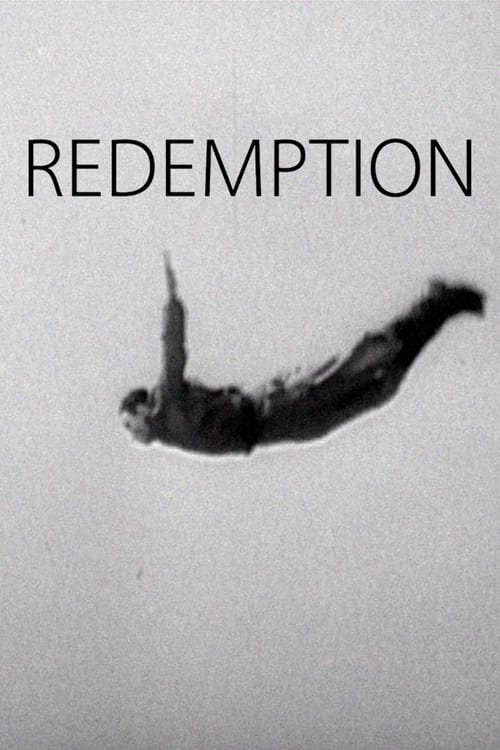
Redemption
2013
No user ratings available yet
Representation score: 8.8 out of 10

Representation Score
Good
2008
Director
Solomon Nagler, Alexandre Larose
Runtime
6 minutes
Average Rating
No ratings yetNew Showbiz Analysis
J. is an avant-garde documentary that uses found footage from an orphanage to explore the decay of memory and childhood trauma. Its approach to diversity is formalist and symbolic, focusing on the breakdown of identity and institutional structures. The film successfully deconstructs traditional visual norms and provides a platform for the psychological experiences of the underrepresented. However, it lacks explicit demographic representation or clear character arcs for specific identity groups. Ultimately, the work functions as a critique of stability and clarity, using sensory decay to challenge conventional cinematic expectations.
Category Breakdown
The film does not include explicit LGBTQ+ characters or stories. It stays neutral, focusing on the loss of memory rather than specific identity arcs.
The experimental footage focuses on the breakdown of the individual rather than stable gender roles. It does not explicitly challenge hierarchies through character's ability to drive the story.
The visuals show the progressive loss of white identity into dense darkness. This formalist approach disrupts traditional racial boundaries and moves away from uniform depictions.
The film critiques institutional stability by using orphanage footage to explore trauma. It prioritizes the perspectives of those underrepresented and institutionalized.
By focusing on childhood trauma, the film explores the visceral reality of psychological distress. It avoids voyeurism by presenting fragmented, survivor-driven perspectives.
Present on Screen
Limited or Absent
Official Synopsis
Found memories decayed by the shock patterns of childhood trauma. This films is made mostly with footage found in the bin of an ophanage. The white progressivelly disolve within a darknest more and more dense. Faces progressivelly disolves within one another.
2013

2018

2010
2014
2019

2008

2018

2020
No reviews yet. Be the first to share your thoughts on this movie!
Use the rating form above to leave a star rating and optional review.