
I Was Here
2008
No user ratings available yet
Representation score: 1.8 out of 10
Representation Score
Excellent
1998
Director
Erik Poppe
Runtime
84 minutes
Average Rating
No ratings yetNew Showbiz Analysis
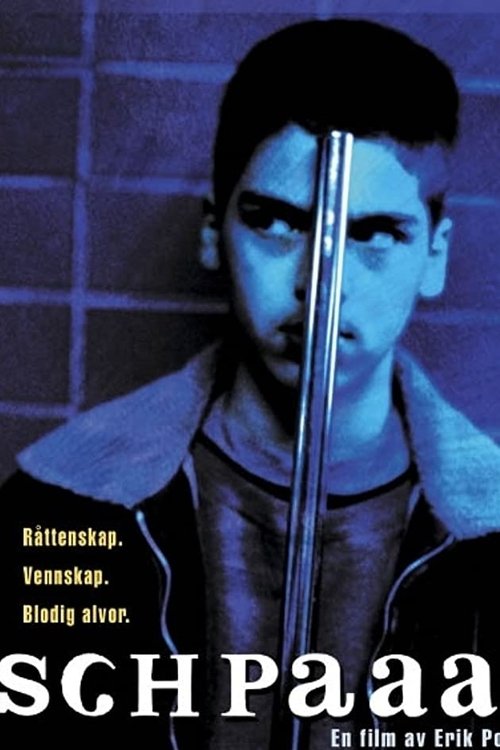
Schpaaa is a gritty work of social realism that avoids sentimentality to critique how environment and trauma shape identity. It succeeds by centering underrepresented identities, particularly through ethnic diversity and the depiction of neurological vulnerability. The film's strength lies in its refusal to rely on comfortable clichés, instead offering a sophisticated look at systemic failure. Adolescence is portrayed as a volatile struggle for control amidst structural instability. However, the narrative lacks explicit LGBTQ+ representation and focuses heavily on a male-dominated criminal subculture, limiting diverse explorations of gender and romantic identities.
Category Breakdown
The film focuses on the harsh realities of street life rather than explicit LGBTQ+ identities. It avoids traditional heterosexual milestones but lacks specific LGBTQ+ character arcs or exploration of non-traditional gender identities.
Masculinity is portrayed through vulnerability and struggles with impulse control rather than idealized leadership. The narrative challenges traditional gender roles by presenting a fragmented view of male development within a criminal subculture.
The film highlights a multi-ethnic group of adolescents, challenging the idea of a homogeneous Scandinavian urban experience. It uses the friction between different ethnic backgrounds to drive plot tension.
The story critiques the effectiveness of social structures and the stability of the family unit. Characters are shown as products of systemic failures rather than inherent villains, emphasizing a gritty, secular realism.
Emir provides a nuanced portrayal of cognitive disability resulting from neurological trauma. His struggle with impulse control is presented with realistic gravity, avoiding it being used merely as a plot device.
Present on Screen
Limited or Absent
Official Synopsis
Jonas and Emir are members of a criminal gang of 14-15 year-olds in Oslo. Emir has slight brain-damage after being beaten by his father as a 5-year-old, and Jonas' biggest problem is stopping Emir from hitting people on the head. One day, they are offered a job by a gang of drug-dealers: Deliver a packet of heroin to one guy and beat up another. This is the start of a chain of events that sends their lives spiraling out of control.
2008

1980
2018

2017

1997
2003
1995
2005
No reviews yet. Be the first to share your thoughts on this movie!
Use the rating form above to leave a star rating and optional review.