
Tracks
2005
No user ratings available yet
Representation score: 1.5 out of 10

Representation Score
Good
2003
Not RatedDirector
Ben Coccio
Runtime
92 minutes
Average Rating
No ratings yetNew Showbiz Analysis
Zero Day is a powerful examination of social fragmentation and institutional failure. It emphasizes a critique of authority rather than the representation of specific identity groups, making it feel demographically narrow but intellectually engaging. The film's strength lies in its cultural critique, particularly how it dismantles the stability of the school system and state. However, this focus leaves little room for diverse character arcs, especially those centered around LGBTQ+ or disability issues. Ultimately, the film provides a nuanced look at the breakdown of social order during a crisis, even though it lacks broad demographic representation.
Category Breakdown
The film doesn't feature prominent LGBTQ+ characters or storylines. Instead, it focuses on collective trauma without delving into non-traditional gender or sexual identities.
The film doesn't challenge traditional gender roles. It shows the ineffectiveness of both male and female authority figures and highlights how institutional collapse erodes social roles.
The setting mirrors a typical Mediterranean urban environment. While it avoids obvious stereotypes, it doesn't emphasize the blending of different racial backgrounds.
The film stands out by questioning the reliability of Western institutions and social contracts. It uses the collapse of systems to highlight the weaknesses of established norms.
The film minimally addresses disability. Psychological trauma and panic are shown as universal reactions to violence, rather than specific conditions.
Present on Screen
Limited or Absent
Official Synopsis
Two troubled adolescents chronicle the events that ultimately lead up to a terrifying assault on their school.
2005

2003

1998
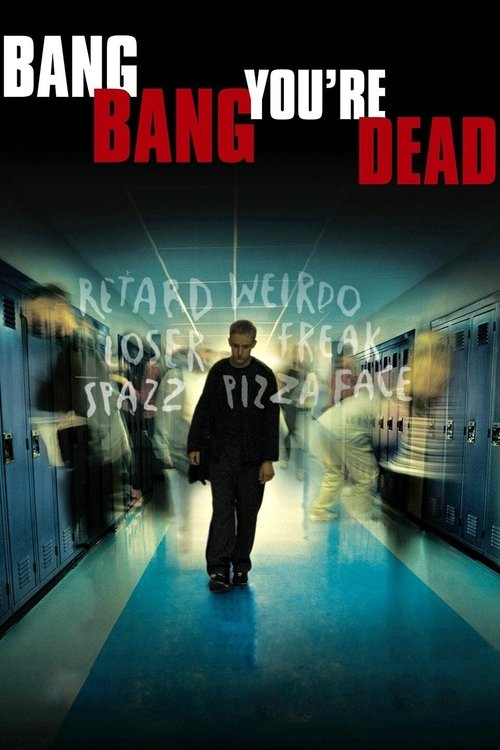
2003

2021

1980
2016

1992
No reviews yet. Be the first to share your thoughts on this movie!
Use the rating form above to leave a star rating and optional review.