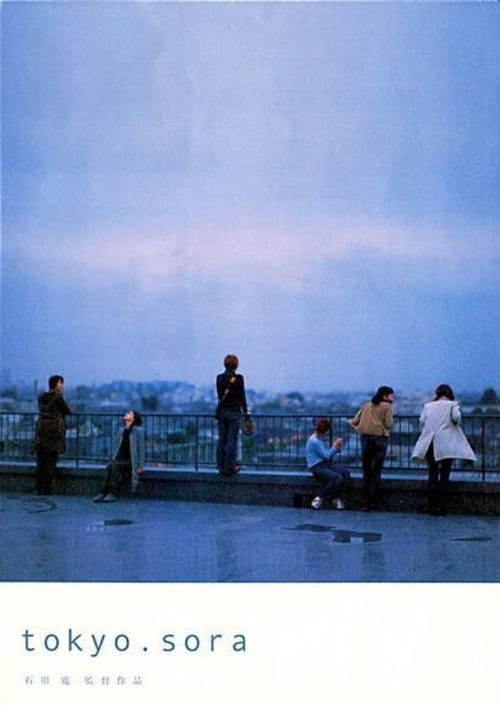
tokyo.sora
2002
No user ratings available yet
Representation score: 5.7 out of 10

Representation Score
Fair
2006
Director
Hitoshi Yazaki
Runtime
127 minutes
Average Rating
No ratings yetNew Showbiz Analysis
Strawberry Shortcakes functions as a character study that elevates female perspectives to the center of the frame. By focusing on the emotional lives and social responsibilities of four women in Tokyo, the film successfully disrupts traditional patriarchal plot structures. However, the film lacks broader multi-layered depth. While it centers gendered experiences, it operates within a relatively homogeneous social framework, offering little evidence of racial or ethnic diversity. Ultimately, the film provides a moderate representation of diversity. It succeeds in its gender-centric focus but lacks the documented systemic subversion or diverse casting required for a higher score.
Category Breakdown
The film focuses on romantic relationships without clearly indicating whether these relationships involve queer identities. There is no explicit mention of LGBTQ+ characters or relationships.
The story emphasizes the perspectives of four women, highlighting their emotional lives and social responsibilities. This approach prioritizes women's experiences over traditional male-centric storytelling.
Set in Tokyo, the film likely features a predominantly Japanese cast. It does not actively engage in subverting ethnic or racial stereotypes through diverse casting.
The film explores the pressures of modern life and traditional societal structures. It moves away from idealized family archetypes to focus on the complexities of urban adulthood.
There is no indication that neurodivergence or physical disabilities play a central role in the character arcs.
Present on Screen
Limited or Absent
Official Synopsis
Follows the ups and downs of four female friends in Tokyo looking for love and trying to cope with the responsibilities in their lives.
2002

2005

2013

2015

2025

2007

2008
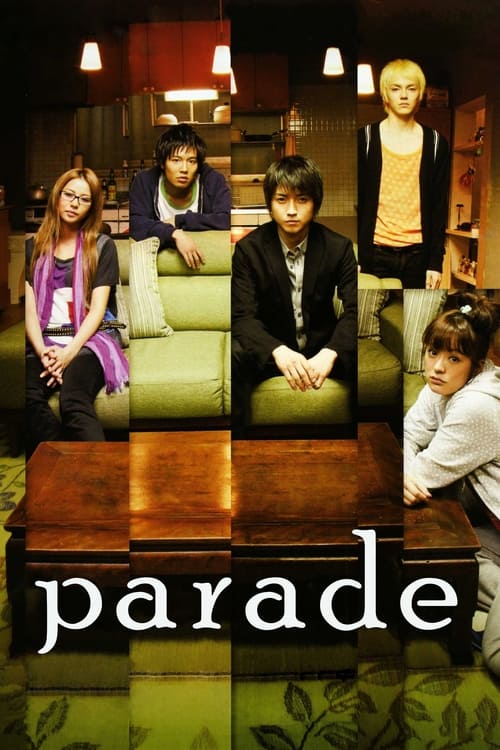
2010
No reviews yet. Be the first to share your thoughts on this movie!
Use the rating form above to leave a star rating and optional review.