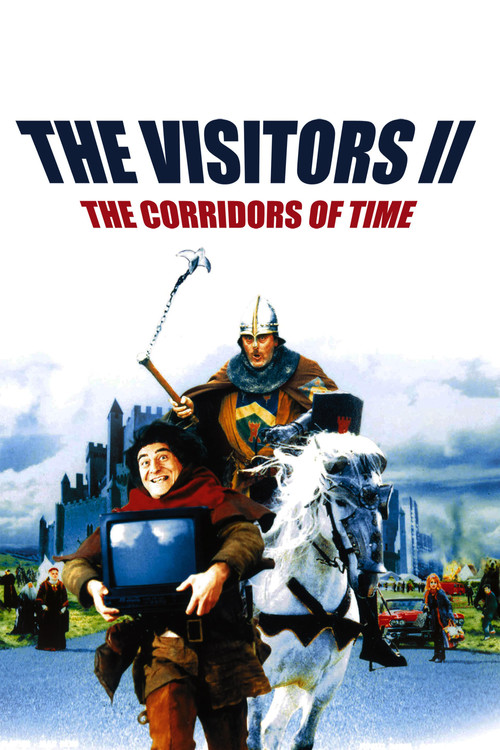
The Visitors II: The Corridors of Time
1998
No user ratings available yet
Representation score: 2.3 out of 10
Representation Score
Minimal
2016
Director
Jean-Marie Poiré
Runtime
110 minutes
Average Rating
No ratings yetNew Showbiz Analysis
The film functions as a traditional historical farce, emphasizing slapstick and the contrast between medieval codes and revolutionary chaos over social critique. The narrative architecture relies heavily on broad archetypes and the clash between different eras. Representation is confined by the genre and the specific historical context. The story emphasizes preserving the protagonists' identities rather than challenging the systemic structures of the French Revolution.
Category Breakdown
The film follows traditional romantic and social structures. There are no characters with non-binary gender identities, and the story doesn't question the assumption that everyone is straight or cisgender.
The story focuses on a male-driven protagonist duo. Women appear mainly as secondary characters or as catalysts for the protagonists' confusion within a male-centric adventure.
The cast reflects the demographic realities of the late 18th century. The film depicts French social classes in a homogeneous manner without casting actors from diverse backgrounds.
The narrative presents revolutionary upheaval as a source of comedic conflict. It avoids critiquing systemic issues of capitalism or class hierarchy, instead focusing on humor derived from characters being out of their element.
There is no focus on neurodivergence or physical disabilities. Characters are portrayed as comedic archetypes rather than nuanced representations of lived experiences.
Present on Screen
Limited or Absent
Official Synopsis
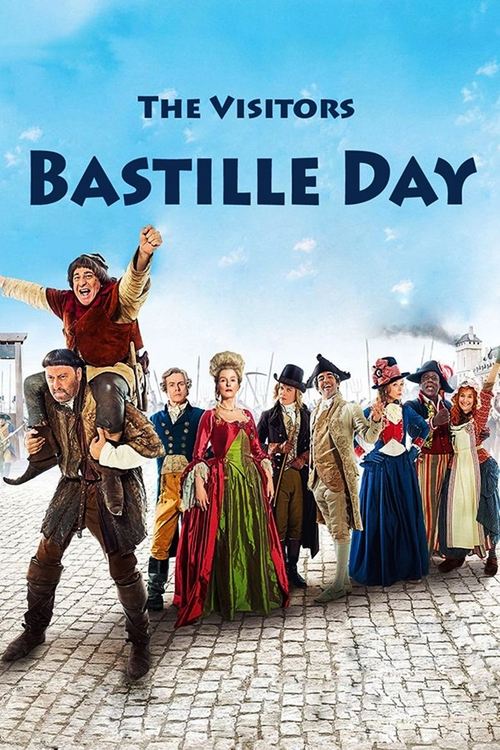
Stuck in the corridors of time, Godefroy de Montmirail and his faithful servant Jacquouille are projected to a time of profound political and social upheavals: the French Revolution... specifically, The Terror, time of great dangers, during which the descendants of Godefroy and Jacquouille had their castle and all their property confiscated by arrogant aristocrats, fleeing and lifes hanging by a thread.
1998
1984
2007

1983
1982

1981
1966
2001
No reviews yet. Be the first to share your thoughts on this movie!
Use the rating form above to leave a star rating and optional review.