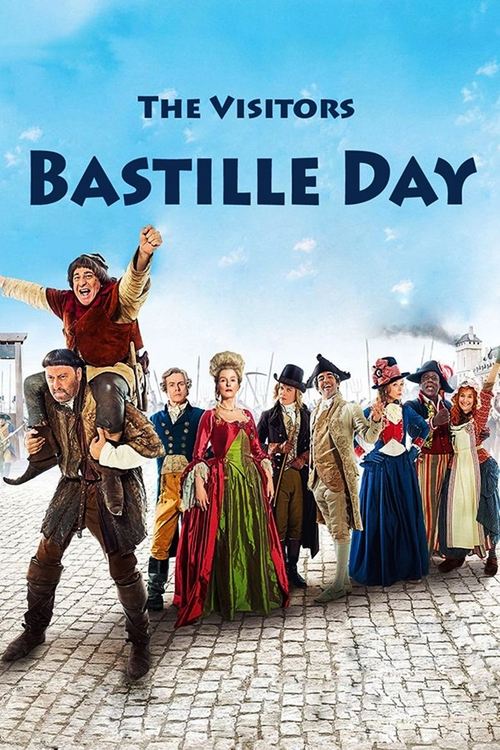
The Visitors: Bastille Day
2016
No user ratings available yet
Diversity score: 2.1 out of 10
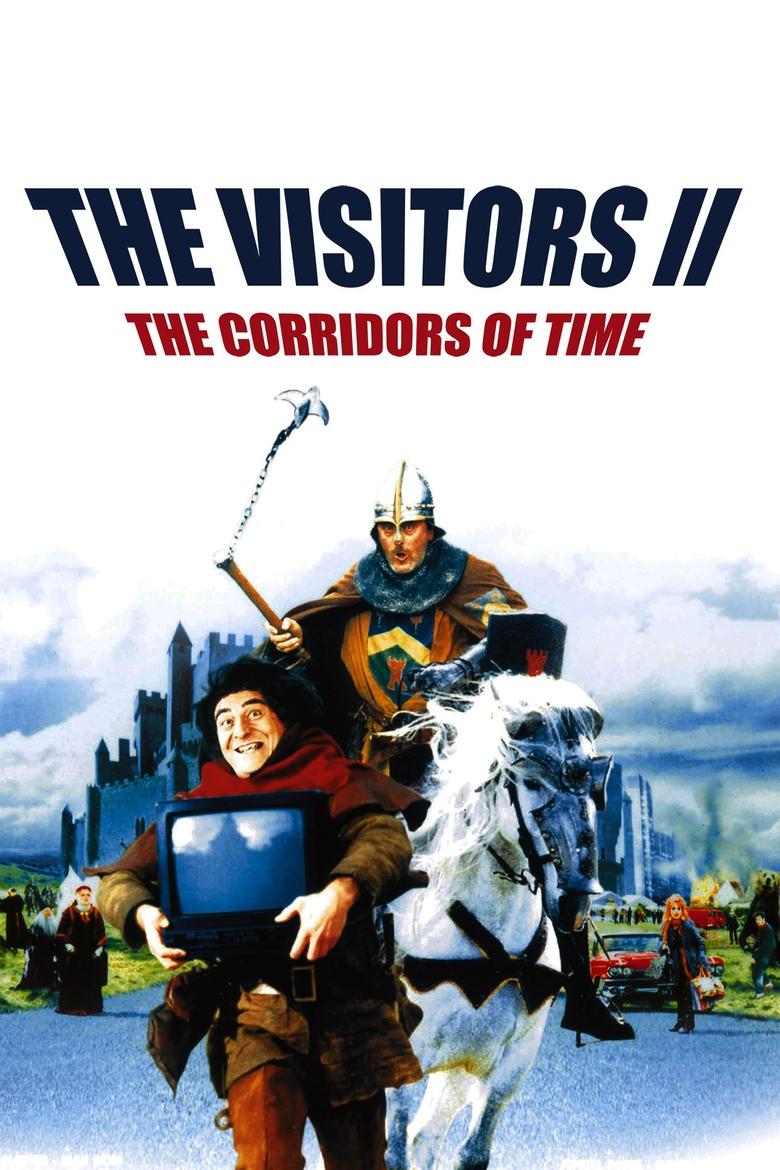
1998
GDirector
Jean-Marie Poiré
Runtime
118 minutes
Average Rating
No ratings yetSynopsis
The sequel to The Visitors reunites us with those lovable ruffians from the French Medieval ages who - through magic - are transported into the present, with often drastic consequences. Godefroy de Montmirail travels to today to recover the missing family jewels and a sacred relic, guarantor of his wife-to-be's fertility. The confrontation between Godefroy's repellent servant Jack the Crack and his descendent, the effete Jacquart, present-day owner of the chateau, further complicates the matter.
Overall Score
Limited
Category Breakdown
LGBTQ+ Representation
The film relies on traditional romantic pursuits centered on fertility. The character Jacquart is described as effete, a descriptor that risks utilizing gender-nonconforming stereotypes for comedic effect.
Gender Representation
Narrative agency is concentrated in male characters like Godefroy de Montmirail. The female lead's role is primarily tied to biological tropes regarding lineage and fertility.
Racial & Ethnic Diversity
The story operates within a historically homogeneous European framework. It focuses on French lineage and domesticity, offering limited intersectional breadth or ethnic blending.
Religious & Cultural Diversity
Humor is driven by the clash between medieval and modern temporal cultures. The plot emphasizes sacred relics and traditionalist motivations over secular or subversive themes.
Disability Representation
There are no visible or invisible disabilities mentioned as central to the character arcs or the plot progression.
Strengths
Areas for Improvement
AI Analysis
The film is a genre-driven comedy that prioritizes slapstick and temporal displacement over sociopolitical commentary. The narrative architecture relies on historical archetypes to drive humor, which often reinforces conventional social hierarchies rather than disrupting them. Representation is largely traditional, focusing on themes of lineage, honor, and masculine agency. The comedic friction between medieval ruffians and modern descendants serves as the primary engine, but this does not extend to diverse or intersectional perspectives. Ultimately, the work functions as a cohesive comedic experience within a narrow cultural framework, lacking explicit efforts to provide nuanced or empowered representation for marginalized groups.
2016

1997
1993
2010
2019
1996
2008
1937
2006
2011
2009
1987
No reviews yet. Be the first to share your thoughts on this movie!
Use the rating form above to leave a star rating and optional review.