
The Thieving Hand
1908
No user ratings available yet
Representation score: 3.9 out of 10
Representation Score
Minimal
1900
Director
Cecil M. Hepworth
Runtime
1 minutes
Average Rating
No ratings yetNew Showbiz Analysis
This early British comedy reflects the physical humor and situational irony typical of its era, focusing on identity-driven storytelling. The narrative structure hinges on a single deception to drive a slapstick chase, limiting opportunities for diverse character development. While the film captures the comedic clichés of the Edwardian period, it lacks the complexity needed for modern characters who reflect more than one aspect of diversity. Characters function as archetypes—the trickster and the authority figure—rather than individuals with depth.
Category Breakdown
There are no LGBTQ+ characters or themes in the film. The story revolves around a humorous interaction between a beggar and a policeman.
The story does not explore gender roles or opportunities for women. The central conflict is driven solely by male characters, leaving no room for female representation.
The cast appears uniform, representing the typical urban setting of the time. There is no indication of diverse casting or racial blending.
The film relies on a traditional trickster cliché common in early slapstick comedy. It reinforces social order without engaging in cultural or systemic critique.
Disability is used as a comedic plot device rather than a nuanced character trait. The character's lack of legs is primarily used to facilitate a slapstick reveal.
Present on Screen
Limited or Absent
Official Synopsis
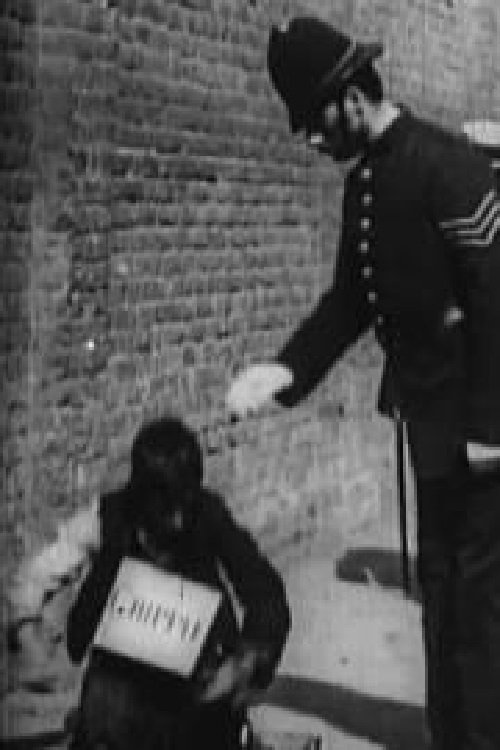
A legless beggar with a sign around his neck saying "cripple" pushes himself slowly and laboriously on a trolley along the pavement, soliciting alms from sympathetic passers-by. A policeman gradually approaches from the distance. Feeling suspicious, he taps the beggar on the shoulder, whereupon the beggar leaps up in a panic and runs away on his perfectly functional legs. The policeman trips over the trolley before recovering his footing and setting off in pursuit.
1908

1923
1907
1924
1900
1900
1905

1896
No reviews yet. Be the first to share your thoughts on this movie!
Use the rating form above to leave a star rating and optional review.