Hyenas
1992
No user ratings available yet
Representation score: 4.9 out of 10
Representation Score
Limited
1996
Director
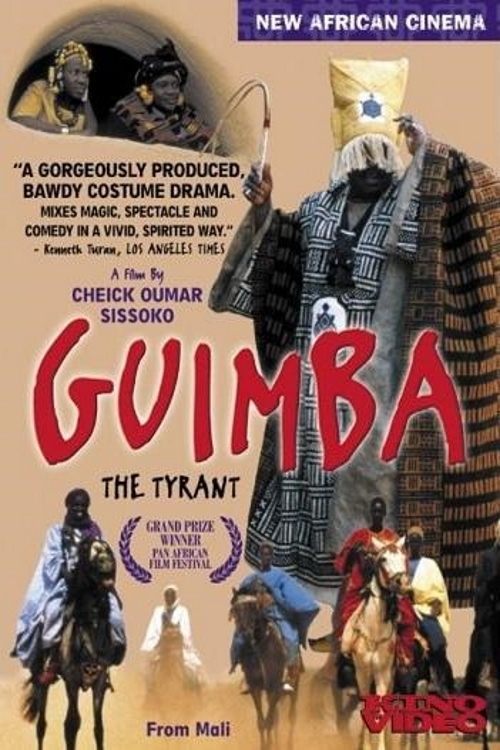
Cheick Oumar Sissoko
Runtime
93 minutes
Average Rating
No ratings yetNew Showbiz Analysis
Guimba the Tyrant stands as a crucial piece of post-colonial cinema that challenges conventional storytelling. By focusing on African political allegory, it offers a deep understanding of power dynamics outside a Western-centric viewpoint. The film's standout feature is its dedication to non-Western storytelling. It presents indigenous social structures and linguistic nuances with meaningful impact, providing a critical view of centralized authority and the 'strongman' archetype. However, the film adheres to traditional gender hierarchies. While it critiques extreme masculinity, the main drivers of systemic oppression and political power remain male-dominated.
Category Breakdown
The film focuses on traditional family lines and male succession without showing any non-straight or non-cisgender identities or same-sex relationships.
The story highlights a male-dominated political system where men hold the main positions of power. Women play influential roles in the royal court, but the film reflects historical gender norms without challenging them.
The film excels in showcasing an entirely African cast set in West Africa. It avoids the Western perspective by emphasizing indigenous power structures and cultural realities.
The narrative centers on indigenous spiritual practices and uses political allegory to criticize corrupt institutions and the exploitation of peasants.
There is no significant depiction of physical or neurodivergent disabilities in the film.
Present on Screen
Limited or Absent
Official Synopsis
The movie shows the rise and fall of a cruel and despotic village chief Guimba, and his son Jangine in a fictional village in the Sahel of Mali.
1992

2016
1997
1973
1989
1994
1994
1973
No reviews yet. Be the first to share your thoughts on this movie!
Use the rating form above to leave a star rating and optional review.