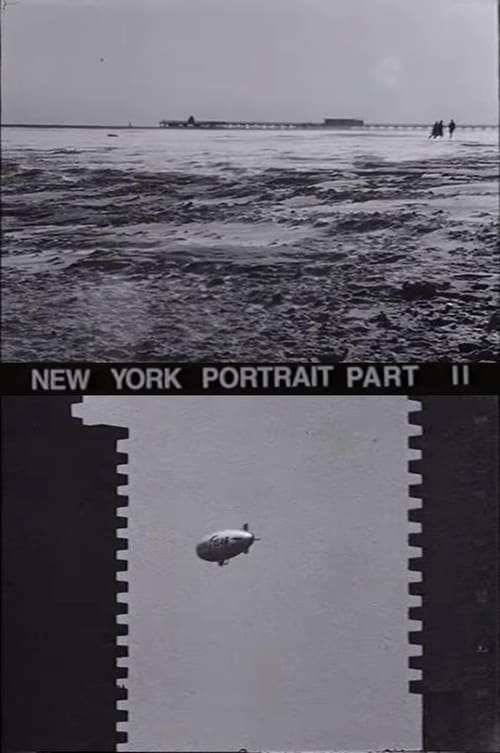
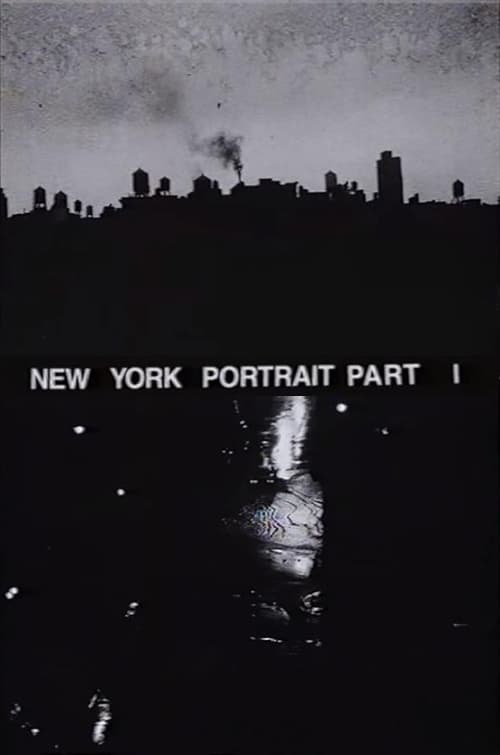
New York Portrait, Chapter II
1981
No user ratings available yet
Representation score: 7.1 out of 10
Representation Score
Minimal
1979
Director
Peter Hutton
Runtime
16 minutes
Average Rating
No ratings yetNew Showbiz Analysis
Peter Hutton’s documentary is a formalist exercise in atmospheric observation. It prioritizes the aesthetic texture and environmental exploration over traditional character-driven narratives or social commentary. By intentionally removing the dense metropolitan population, the film achieves a sense of universal presence. However, this stylistic choice results in a near-total absence of diverse representation. The work functions as a cinematic meditation on solitude. It succeeds in disrupting person-centric documentary models but fails to depict identity, ability to act, or social hierarchy.
Category Breakdown
The film focuses on the meditative quality of the landscape and does not include any LGBTQ+ characters or discussions of gender identity.
This documentary examines urban solitude and natural forces, avoiding the depiction of gender roles and social structures.
The director presents New York as a ghost town, focusing on a universal presence rather than the city's diverse racial makeup.
The work challenges traditional social and religious narratives by emphasizing a secular, existential perspective.
The film concentrates solely on the environment and does not depict any characters with physical or neurodivergent conditions.
Present on Screen
Limited or Absent
Official Synopsis
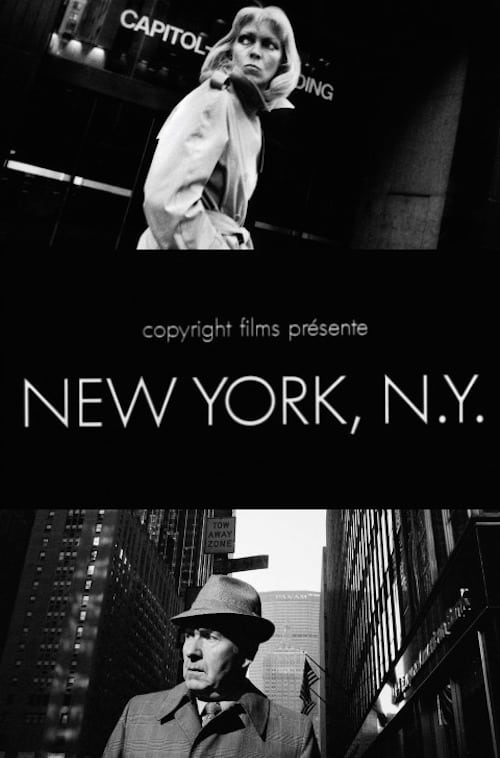
Hutton's most impressive work ... the filmmaker's style takes on an assertive edge that marks his maturity. The landscape has a majesty that serves to reflect the meditative interiority of the artist independent of any human presence. ... New York is framed in the dark nights of a lonely winter. The pulse of street life finds no role in NEW YORK PORTRAIT; the dense metropolitan population and imposing urban locale disappear before Hutton's concern for the primal force of a universal presence. With an eye for the ordinary, Hutton can point his camera toward the clouds finding flocks of birds, or turn back to the simple objects around his apartment struggling to elicit a personal intuition from their presence. ... Hutton finds a harmonious, if at times melancholy, rapport with the natural elements that retain their grace in spite of the city's artificial environment. The city becomes a ghost town that the filmmaker transforms into a vehicle reflecting his personal mood.
1981
1929
1971

1927
1975
1979
1986
1987
No reviews yet. Be the first to share your thoughts on this movie!
Use the rating form above to leave a star rating and optional review.