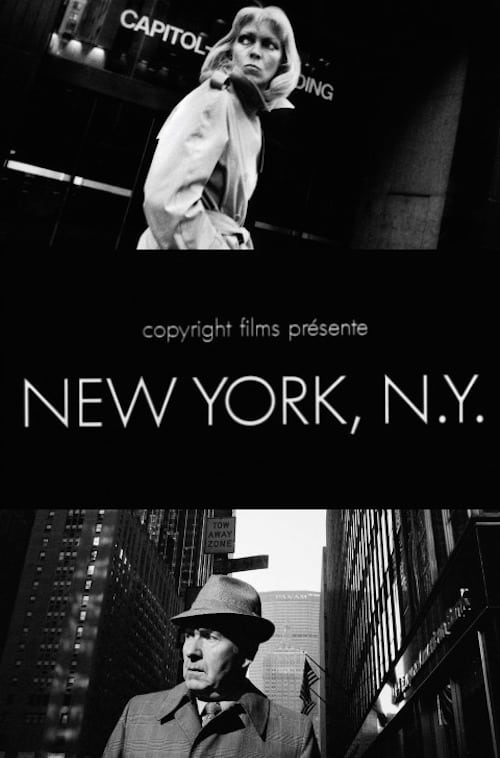
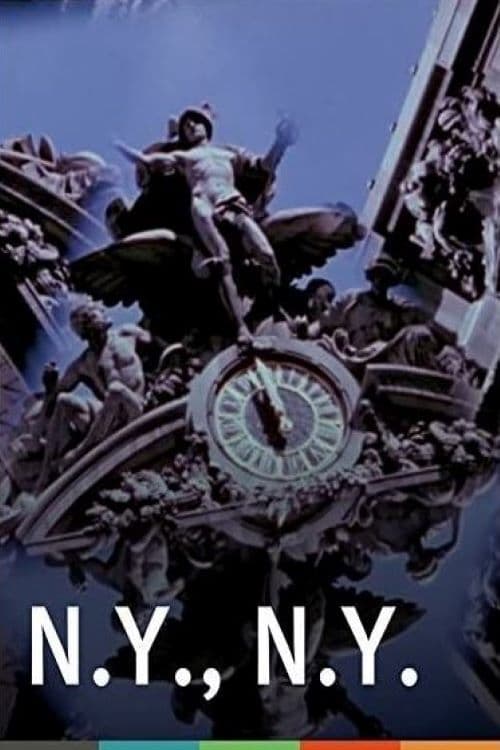
New York, N.Y.
1986
No user ratings available yet
Representation score: 6.5 out of 10
Representation Score
Good
1981
Director
Peter Hutton
Runtime
16 minutes
Average Rating
No ratings yetNew Showbiz Analysis
Peter Hutton’s documentary provides a snapshot of Manhattan during 1980–1981. Since it is an observational study rather than a scripted narrative, it lacks intentional character arcs or dialogue-driven social critiques. The diversity present is a byproduct of the environment captured rather than a deliberate narrative structure. The film prioritizes aesthetic and rhythmic qualities of the city, resulting in a neutral, historical record of demographic plurality. This detachment leads to a moderate score, as the film lacks the intentionality needed to explore complex identities.
Category Breakdown
The film captures the urban landscape of Manhattan in the early 1980s, where diverse gender expressions can be observed. However, the focus is on environmental portraits rather than intentional queer narratives.
Gender representation is neutral, showing the presence of various genders in public spaces without scripted roles. The film avoids traditional gender clichés and does not actively challenge gendered power dynamics.
The film documents the hyper-diverse demographic composition of Manhattan by capturing the city's actual racial and ethnic spectrum through a lens of observational detachment.
The work presents a secular, fragmented view of urban life by focusing on mundane structural elements. It avoids religious dogma but does not offer specific critiques of institutions or societal structures.
Individuals with visible disabilities appear as part of the natural urban fabric. However, the lack of a narrative framework means these individuals are not given specific ability to act or character development.
Present on Screen
Limited or Absent
Official Synopsis
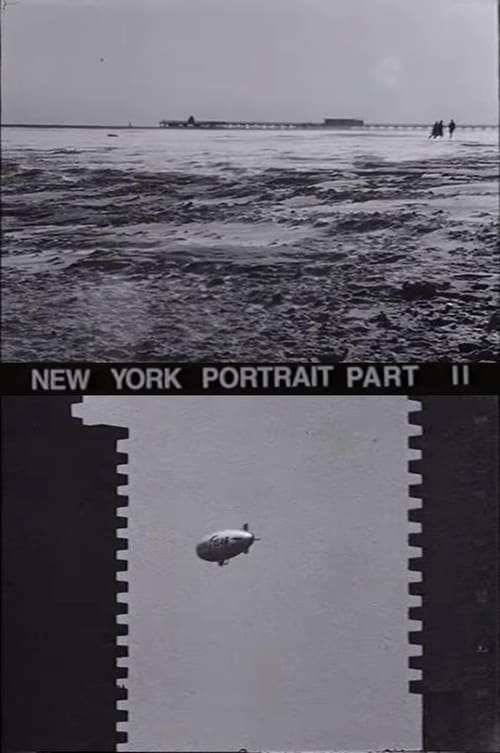
Chapter Two represents a continuation of daily observations from the environment of Manhattan compiled over a period from 1980-1981. This is the second part of an extended life's portrait of New York.
1986

1927
1979
1929
1957
2000

1988
1971
No reviews yet. Be the first to share your thoughts on this movie!
Use the rating form above to leave a star rating and optional review.