Hearts of the World
1918
No user ratings available yet
Diversity score: 1.9 out of 10
1933
ApprovedDirector
Frank Lloyd
Runtime
112 minutes
Average Rating
No ratings yetSynopsis
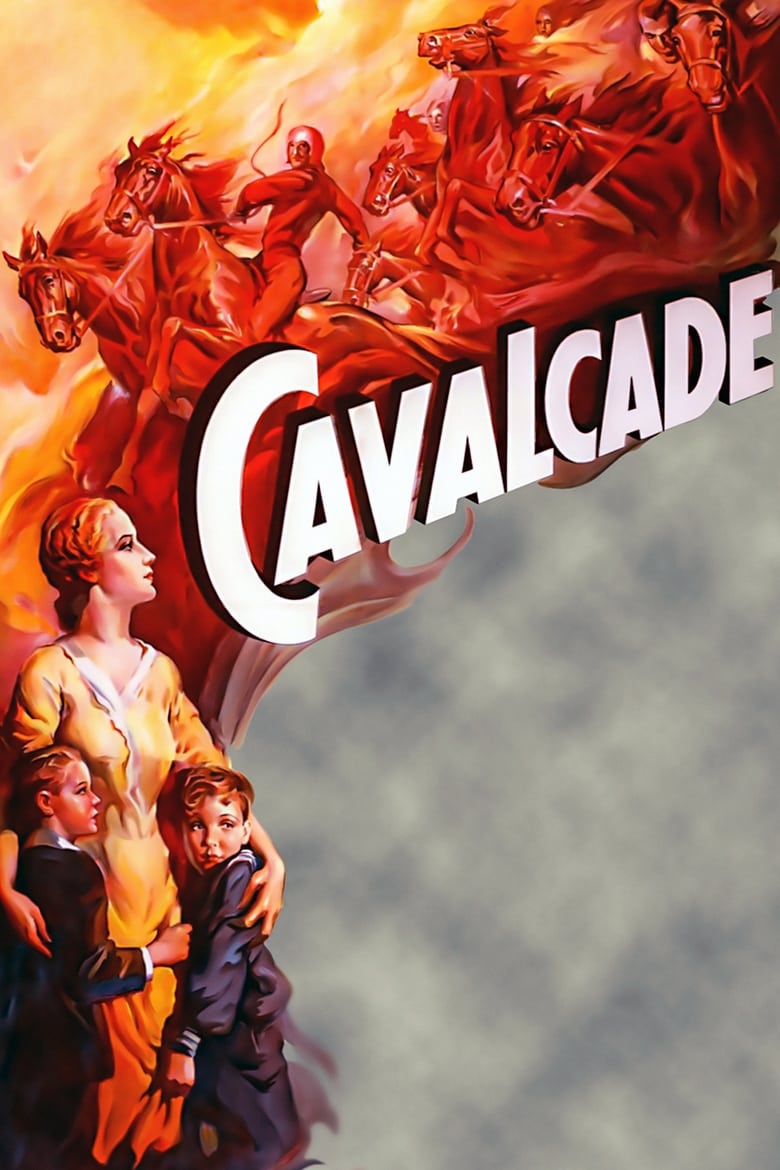
A cavalcade of English life from New Year's Eve 1899 until 1933 is seen through the eyes of well-to-do Londoners Jane and Robert Marryot. Amongst events touching their family are the Boer War, the death of Queen Victoria, the sinking of the Titanic, and the Great War.
Overall Score
Limited
Category Breakdown
LGBTQ+ Representation
The film operates within a strictly heteronormative framework. There is no presence of non-cisnormative identities or depictions of same-sex intimacy.
Gender Representation
Female protagonists navigate historical upheavals, but their agency is defined by domestic stability. The narrative emphasizes traditional femininity and women as emotional anchors rather than disrupting patriarchal structures.
Racial & Ethnic Diversity
The cast and setting are overwhelmingly homogeneous, focusing on the Anglo-Saxon experience. There is little visibility for non-white populations, even amidst the global reach of the British Empire.
Religious & Cultural Diversity
The narrative reinforces traditional Western institutions like the monarchy and the British class system. It frames historical tragedy through the lens of human loss rather than systemic critique.
Disability Representation
There is no meaningful depiction of neurodivergence or physical disability. Physical trauma from war serves only as a narrative device to illustrate the cost of conflict.
Strengths
Areas for Improvement
AI Analysis
Cavalcade is a sweeping historical chronicle that prioritizes the preservation of traditional social structures and familial lineages. While it captures the scale of British history from 1899 to 1933, it does so through a deeply Eurocentric and conservative lens. The film reinforces the status quo of the early 20th century, focusing on the Anglo-Saxon experience and the stability of the British class system. It lacks intersectional complexity, offering almost no representation for LGBTQ+ individuals or diverse ethnic groups. Ultimately, the film functions as a celebration of historical continuity. It views major global shifts, such as the Great War, through the emotional experiences of a specific social class rather than through a lens of systemic change.
1918

1932

1943

1940
1940

1934

1943

1931

1942
1928
1998

1946
No reviews yet. Be the first to share your thoughts on this movie!
Use the rating form above to leave a star rating and optional review.