Just Another Story
2003
No user ratings available yet
Representation score: 4.8 out of 10
Representation Score
Fair
1999
RDirector
Marc Levin
Runtime
92 minutes
Average Rating
No ratings yetNew Showbiz Analysis
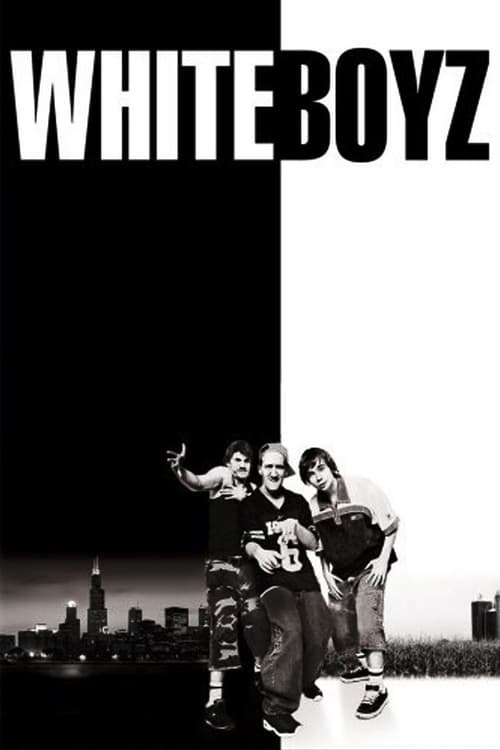
Whiteboyz is a film that focuses on the struggles of individuals caught in systemic issues, yet it falls short in providing characters who reflect more than one aspect of diversity. While it effectively dismantles the myth of the middle-class ideal, it remains tied to traditional masculine and heterosexual frameworks. The film lacks meaningful engagement with LGBTQ+ identities or nuanced portrayals of disabilities, treating psychological instability as a mere plot device. Additionally, the predominantly white cast limits the scope of its cultural commentary.
Category Breakdown
The film follows a conventional storyline centered around heterosexual relationships, without exploring any queer narratives or non-traditional gender identities.
The story emphasizes traditional masculine roles and social dynamics, focusing on the protagonist's interactions within a male-dominated environment. It highlights the impact of economic hardship on family structures but does not challenge traditional gender roles.
The film examines the tension between urban hip-hop culture and rural life, using the protagonist's persona to highlight cultural mimicry in a predominantly white setting.
The film critiques the concept of the American Dream by focusing on the failures of socioeconomic systems. It portrays poverty and systemic unemployment as central themes in the characters' lives.
The film mentions a character's psychological instability, which serves mainly as a plot device to create conflict among the group. There is no detailed exploration of mental health issues or character autonomy.
Present on Screen
Limited or Absent
Official Synopsis
In a virtually all-white Iowa town, Flip daydreams of being a hip-hop star, hanging with Snoop Doggy Dogg and Dr. Dre. He practices in front of a mirror and with his two pals, James and Trevor. He talks Black slang, he dresses Black. He's also a wannabe pusher, selling flour as cocaine. And while he talks about "keeping it real," he hardly notices real life around him: his father's been laid off, his mother uses Food Stamps, his girlfriend is pregnant, James may be psychotic, one of his friends (one of the town's few Black kids) is preparing for college, and, on a trip to Chicago to try to buy drugs, the cops shoot real bullets. What will it take for Flip to get real?
2003
2003
2003
1987

1979

1998
1988

2005
No reviews yet. Be the first to share your thoughts on this movie!
Use the rating form above to leave a star rating and optional review.