Just Another Story
2003
No user ratings available yet
Representation score: 4.8 out of 10

Representation Score
Fair
2005
PG-13Director
Charles Randolph-Wright
Runtime
105 minutes
Average Rating
No ratings yetNew Showbiz Analysis
Preaching to the Choir succeeds as a culturally specific narrative that centers Black identity. By placing the conflict within the intersection of Harlem gospel and hip-hop culture, the film offers a meaningful exploration of community and faith. However, the film's scope is narrow. The narrative weight rests almost entirely on masculine archetypes, leaving little room for women's ability to drive the story or diverse gender expressions. The focus remains strictly on the fraternal reconciliation of the Tucker twins. Ultimately, the film is a study of racial and spiritual ability to act. While it lacks breadth in LGBTQ+ or gender representation, its commitment to an authentic Black cultural landscape provides a strong, identity-focused foundation.
Category Breakdown
The story focuses on the bond between two brothers and does not include LGBTQ+ characters or narratives that question the assumption that everyone is straight.
The plot is driven by male characters representing both spiritual and secular roles. It lacks significant women's ability to drive the story or challenges to gendered power structures.
The film excels by centering the African American experience in Harlem. It provides a significant role in driving the story to characters of color within their own cultural contexts.
The narrative explores the tension between religious dogma and urban survival. It avoids presenting the gospel church as a monolithic moral authority.
There is no evidence of characters navigating physical or mental health disabilities as central plot points.
Present on Screen
Limited or Absent
Official Synopsis
Estranged since the death of their parents years ago, twin brothers Teshawn and Wesley Tucker have taken radically different paths in life. Wes has become a minister in a Harlem gospel church while Te perpetrates the gangster lifestyle as hip-hop star Zulu. They are forced into reconciliation when Te flees from LA to his childhood home in Harlem to hide from his enraged record producer, Bull Sharky. As Bull Sharky and his posse move east tracking Te down, Te and Wes must confront their own demons and attempt to work out their differences.
2003
1992

2005
2020
1999
2008
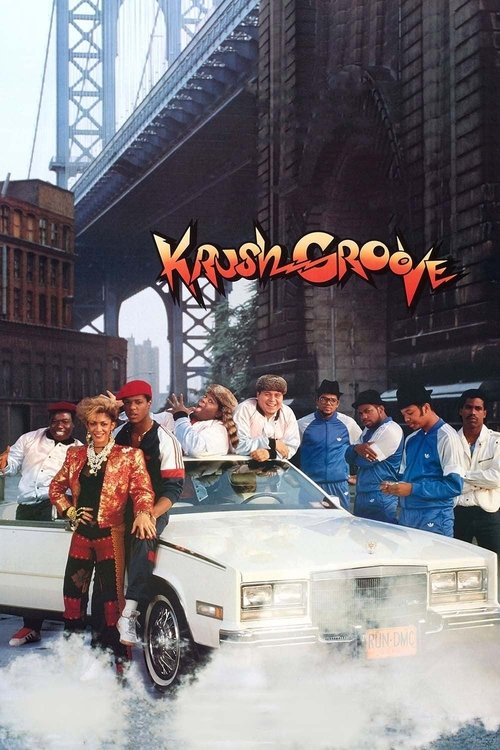
1985

2019
No reviews yet. Be the first to share your thoughts on this movie!
Use the rating form above to leave a star rating and optional review.