A Summer in Hell
1984
No user ratings available yet
Representation score: 1.8 out of 10
Representation Score
Minimal
1970
Director
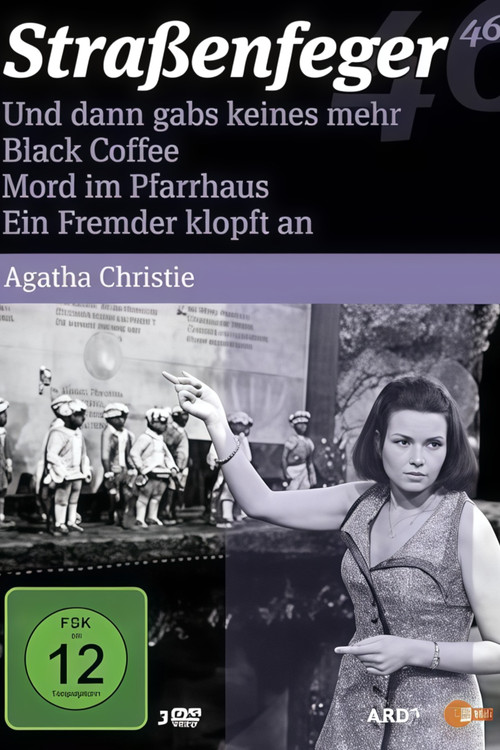
Hans Quest
Runtime
90 minutes
Average Rating
No ratings yetNew Showbiz Analysis
Mord im Pfarrhaus is a typical genre piece that reflects the demographic and cultural uniformity of its era. It operates within the established framework of 1970s European crime cinema without trying to challenge social norms. The film relies on traditional archetypes and institutional settings, such as the parsonage, to drive its narrative. This reinforces a conventional moral binary and a stable, homogeneous social structure. Ultimately, the production lacks the intentionality needed to challenge or disrupt the social hierarchies of the time, serving instead as a period-typical thriller.
Category Breakdown
The film follows traditional social portrayals common in 1970s German crime procedurals. It does not depict non-traditional gender identities or narratives that question the assumption that everyone is straight.
Prominent female characters have significant screen time but often play traditional roles like victims, witnesses, or domestic figures rather than challenging gender hierarchies.
The production reflects the demographic uniformity typical of West German cinema in 1970. The narrative centers on a traditional, homogeneous social structure without diverse casting.
The setting is deeply rooted in traditional Western institutions like the church and the family unit. The narrative upholds the existing social order without deconstructing it.
There is no evidence of characters with visible or invisible disabilities within the film.
Present on Screen
Limited or Absent
1984
1958
2022
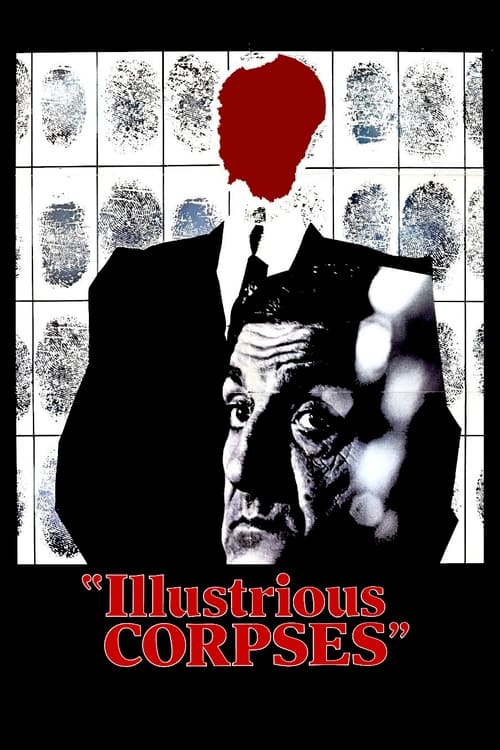
1976
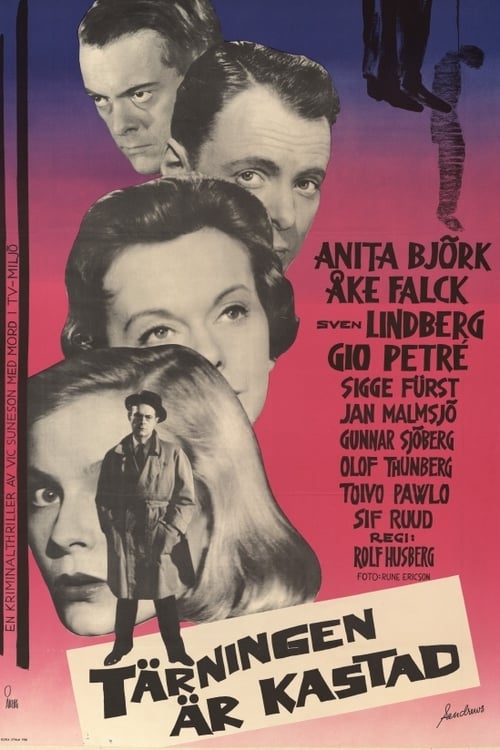
1960
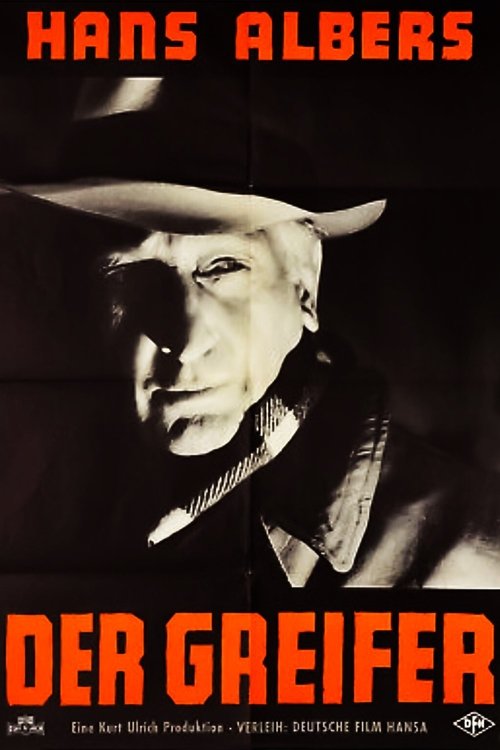
1958
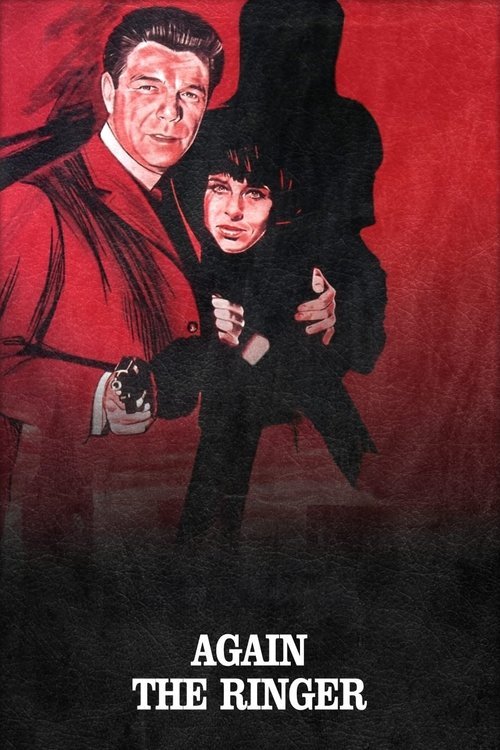
1965
1957
No reviews yet. Be the first to share your thoughts on this movie!
Use the rating form above to leave a star rating and optional review.