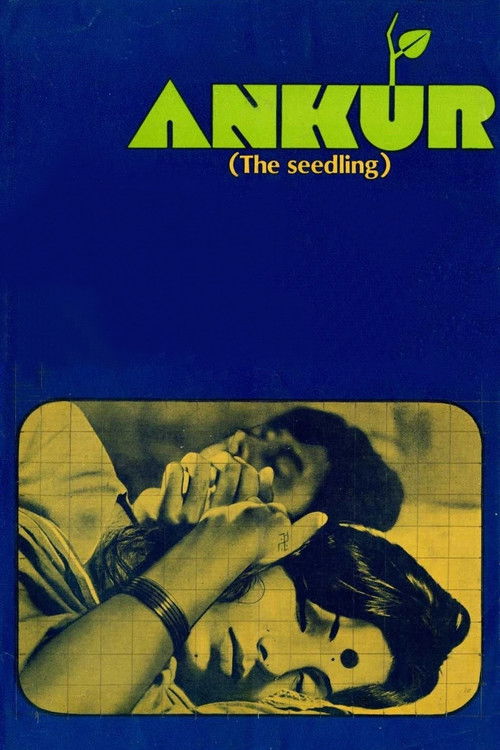
Ankur: The Seedling
1974
No user ratings available yet
Representation score: 4.6 out of 10
Representation Score
Limited
1978
UDirector
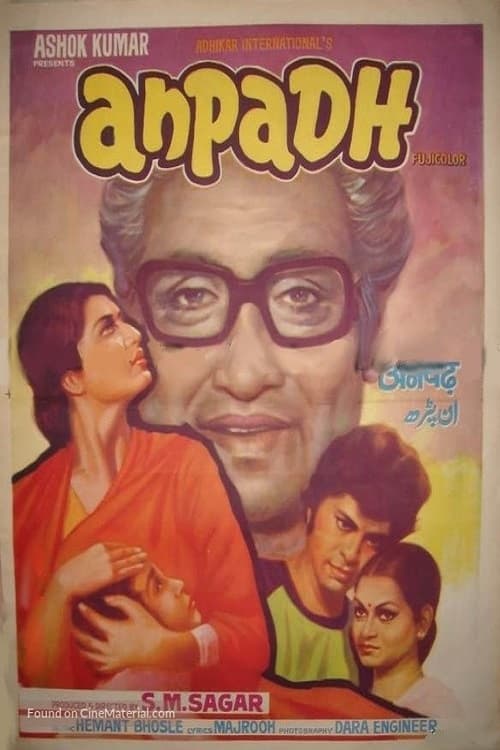
S.M. Sagar
Runtime
137 minutes
Average Rating
No ratings yetNew Showbiz Analysis
Anpadh is a character-driven drama that uses literacy as a marker for social ability to act. It humanizes the underrepresented working class, challenging the notion that social status is fixed. By portraying the 'uneducated' as morally resilient, the film offers a nuanced critique of class-based prejudice. However, the film remains anchored in the patriarchal structures of 1970s cinema. Women's storylines often depend on male guidance for social integration, and the narrative lacks any representation of LGBTQ+ identities. While it explores internal social stratification, it does not venture into diverse cultural or identity-based representation beyond the domestic sphere.
Category Breakdown
The film adheres to a strict focus on straight relationships and traditional gender roles, with no depiction of LGBTQ+ identities or non-conforming gender roles.
Women in the film play varying roles in driving the story, such as Jyoti choosing her own partner. However, their social standing is still largely influenced by male mentorship and traditional hierarchies.
The cast reflects a culturally homogeneous Indian setting, focusing on the socioeconomic differences between the educated professional class and the less-educated working class.
The story criticizes shallow high-society standards by emphasizing moral depth over formal credentials. It highlights social upliftment and the restoration of family integrity through compassion.
The film does not prominently depict physical or neurodivergent disabilities. Illiteracy is treated as a social barrier rather than a medical condition.
Present on Screen
Limited or Absent
Official Synopsis
Kindly Dr. Gupta (Ashok Kumar) is preparing to retire, and hopes to marry his daughter Jyoti (Zarina Wahab) to his associate Dr. Anand (Parikshit Sahani). Anand does not have time to romance, or assist Dr. Gupta on his large egg farm, so he hires a college friend as property manager, Mukesh (Vijayendra). Jyoti is entranced by Mukesh, and against her fathers wishes decides to marry him. Mukesh has his eyes set on the good life, but unknown to Jyoti he is already married to Geeta (Sarika), whom he abandoned with a child when he found out she was Anpadh (illiterate). Dr. Gupta has an accident one night, injuring a woman named Geeta and brings her home to recuperate. He teaches her how to mingle with high society, dress and eat properly, and ensures the education of her son. In return for his decency and compassion, Jyoti prepares to marry Dr. Gupta. When her father arrives for the festivities, he recognizes Mukesh.
1974

1959
1968

1965
1975
1971
1981

1993
No reviews yet. Be the first to share your thoughts on this movie!
Use the rating form above to leave a star rating and optional review.