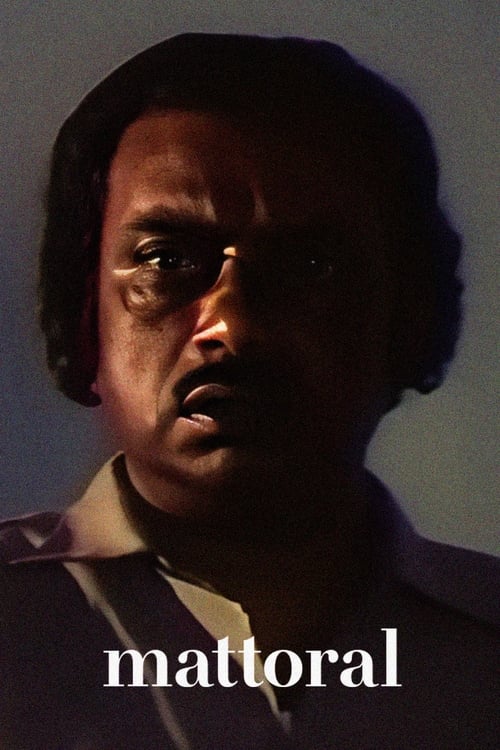
Mattoral
1988
No user ratings available yet
Representation score: 6.0 out of 10

Representation Score
Fair
1983
Director
Joshiy
Runtime
137 minutes
Average Rating
No ratings yetNew Showbiz Analysis
Aa Raathri operates as a traditional social drama that engages with domestic tension. While it addresses the issue of domestic abuse, the story's structure remains rooted in conventional social hierarchies. The plot relies on the stability of a traditional marital unit to resolve the central conflict. The film lacks the complexity or identity-driven architecture needed for a more progressive score. It functions primarily as a localized, culturally homogeneous narrative typical of its era.
Category Breakdown
The film focuses on a traditional heterosexual marriage between Ravi and Indu. There are no LGBTQ+ characters or narratives addressing non-straight identities.
Radha takes control by escaping an abusive household to seek safety. However, the narrative relies on a traditional hierarchy where the married couple provides primary protection.
Set in Kerala, the film depicts a culturally specific Malayali demographic. It functions as a culturally homogeneous narrative without evidence of blending different racial backgrounds.
The story critiques patriarchal structures through the depiction of an abusive stepfather. However, the resolution reinforces conventional social values centered on the stable nuclear family.
The available narrative provides no depiction of visible or invisible disabilities.
Present on Screen
Limited or Absent
Official Synopsis
Ravi and Indu are a happily married couple who live in Trivandrum. On a train journey back from Ernakulam they meet a girl Radha. She ran away from home to escape from her abusive stepfather and her only hope is to find her cousin Venu in Trivandrum, but is unaware of his wherabouts. Ravi and Indu take her in to their house and decides to help her find Venu.
1988
2004

1983
1978

2010
1984

2013

1972
No reviews yet. Be the first to share your thoughts on this movie!
Use the rating form above to leave a star rating and optional review.