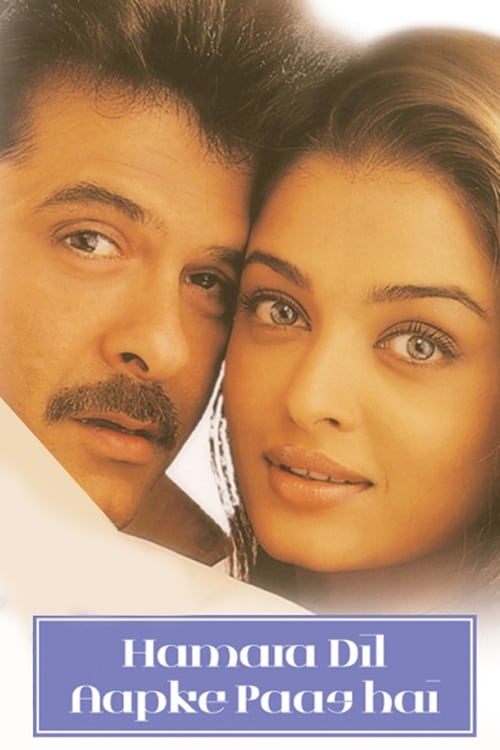
Hamara Dil Aapke Paas Hai
2000
No user ratings available yet
Diversity score: 2.9 out of 10
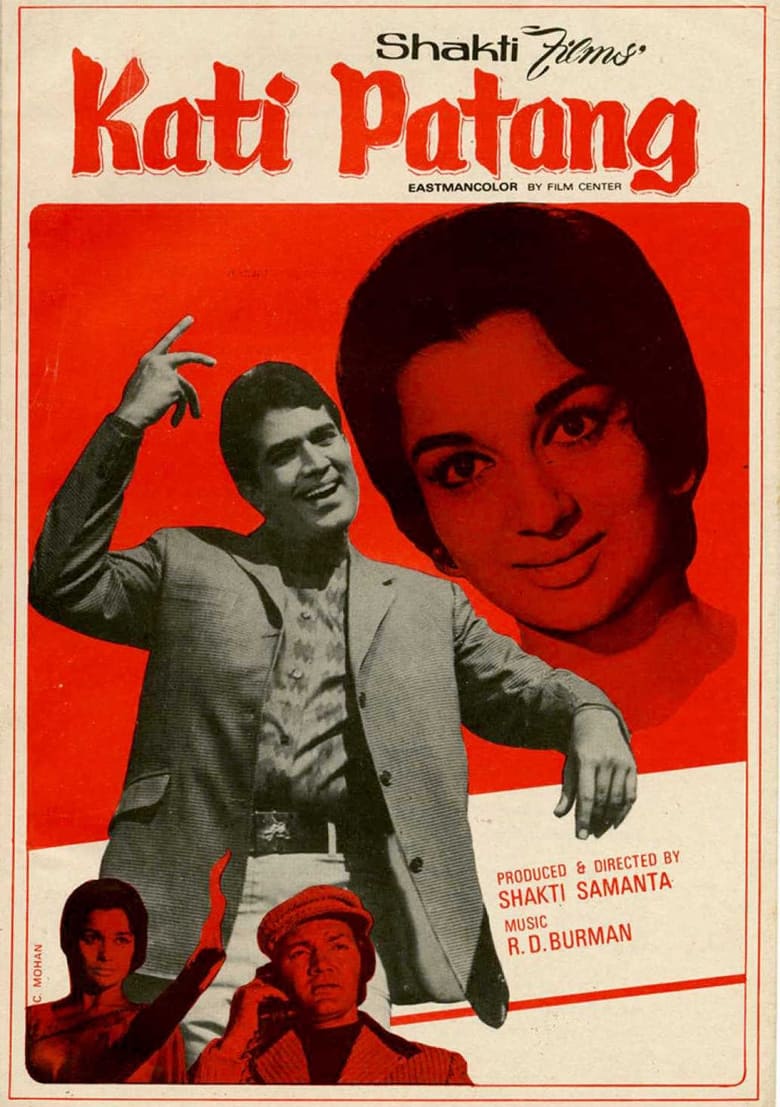
1971
Director
Shakti Samanta
Runtime
160 minutes
Average Rating
No ratings yetSynopsis
A runaway bride promises her dying widowed friend that she will assume her identity and look after her infant child.
Overall Score
Limited
Category Breakdown
LGBTQ+ Representation
The film contains no discernible LGBTQ+ characters or non-cisnormative identities. The story relies entirely on traditional romantic courtship and heteronormative structures.
Gender Representation
The female lead demonstrates agency through her commitment to a dying friend and an infant. However, this agency is framed through self-sacrifice and domestic duty rather than subverting patriarchal hierarchies.
Racial & Ethnic Diversity
The cast is culturally homogeneous, reflecting the regional industry of the 1970s. While it lacks modern intersectional blending, it maintains a cohesive cultural identity focused on class distinction.
Religious & Cultural Diversity
The narrative reinforces traditional social structures and the sanctity of interpersonal bonds. It prioritizes emotional perseverance and social obligations over the deconstruction of the family unit.
Disability Representation
There are no prominent depictions of physical or neurodivergent disabilities used as central narrative elements or character traits.
Strengths
Areas for Improvement
AI Analysis
Kati Patang serves as a period-specific artifact of 1970s commercial romanticism. The film prioritizes emotional melodrama and established social hierarchies, operating within the prevailing cultural expectations of its era rather than challenging them. While the protagonist shows significant moral resilience, her actions are channeled into reinforcing traditional values of sacrifice and duty. The narrative architecture is built upon conventional tropes of mistaken identity and class disparity. Ultimately, the film lacks representation for LGBTQ+ identities and disabilities, focusing instead on a homogeneous cast and traditional gender roles centered on emotional labor.
2000
1981
1978

1993
1984
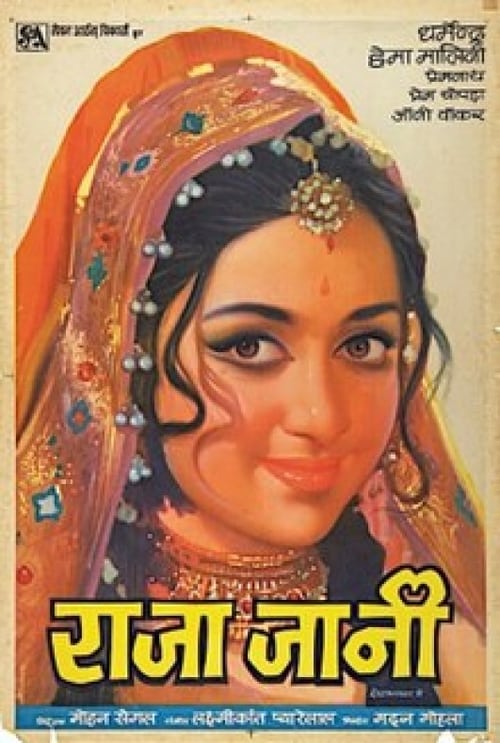
1972
1985
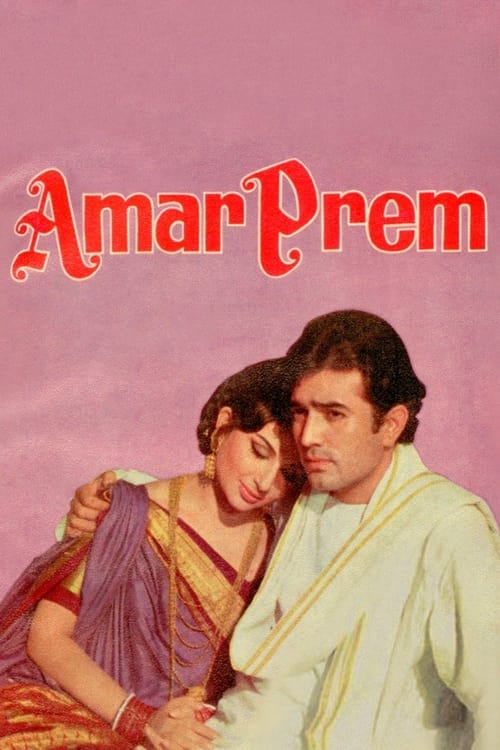
1972

1969
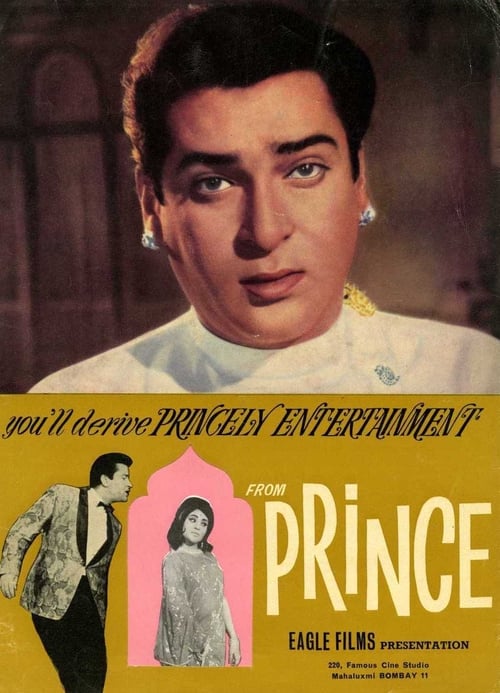
1969

1997
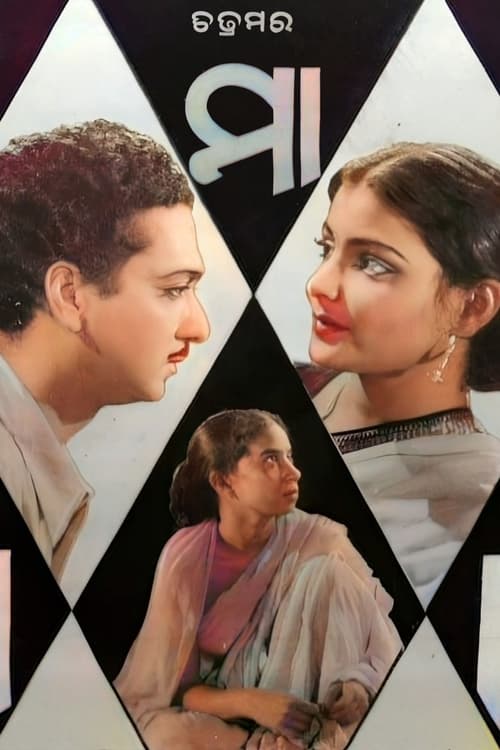
1958
No reviews yet. Be the first to share your thoughts on this movie!
Use the rating form above to leave a star rating and optional review.