Echoes of Silence
1965
No user ratings available yet
Representation score: 4.7 out of 10
Representation Score
Fair
1968
Not RatedDirector
Peter Emanuel Goldman
Runtime
95 minutes
Average Rating
No ratings yetNew Showbiz Analysis
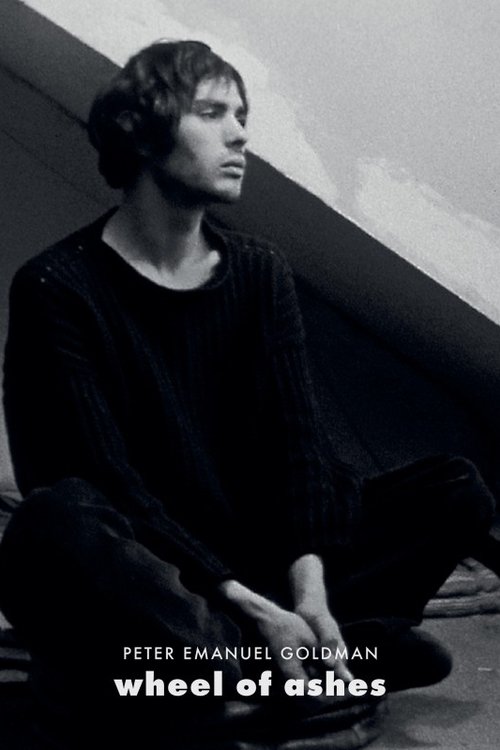
Wheel of Ashes is an existentialist study that uses a European setting to explore non-Western philosophical concepts. It challenges Western moral norms by integrating Vedanta philosophy into its narrative structure. However, the film’s diversity is primarily intellectual rather than visual or demographic. While it challenges Eurocentric thought, specific representations of race and gender remain unverified or focused on internal psychological states. Ultimately, the film critiques Western structures using spiritual philosophy.
Category Breakdown
The film examines themes of lust and temptation in an intellectual setting. Although specific LGBTQ+ identities are not confirmed, the narrative questions traditional heterosexual norms.
The story centers on an internal existential struggle rather than traditional masculine roles, focusing on personal reflection instead of societal duties.
The inclusion of Vedanta philosophy introduces a non-Western intellectual framework into a European context, challenging Eurocentric dominance.
The film uses Vedanta philosophy to question Christian-centric morality and Western individualism, promoting a non-Western spiritual perspective that critiques materialism and capitalism.
There is no information available regarding the portrayal of physical or neurodivergent disabilities in this work.
Present on Screen
Limited or Absent
Official Synopsis
A stripped-down account of a young man's existential reckoning. "As dust hides a mirror, lust hides the self," reads one of the film's Vedanta-sourced intertitles. And indeed, while the Pierre Clementi protagonist's inner life remains obscure, the Saint-Germain-des-Pres neighborhood that offers his temptations appears in harrowing detail.
1965

1974
1960

1977

1976

1966

1972
1970
No reviews yet. Be the first to share your thoughts on this movie!
Use the rating form above to leave a star rating and optional review.