
Rock Haven
2007
No user ratings available yet
Diversity score: 5.1 out of 10
1998
PG-13Director
Richard Kwietniowski
Runtime
93 minutes
Average Rating
No ratings yetSynopsis
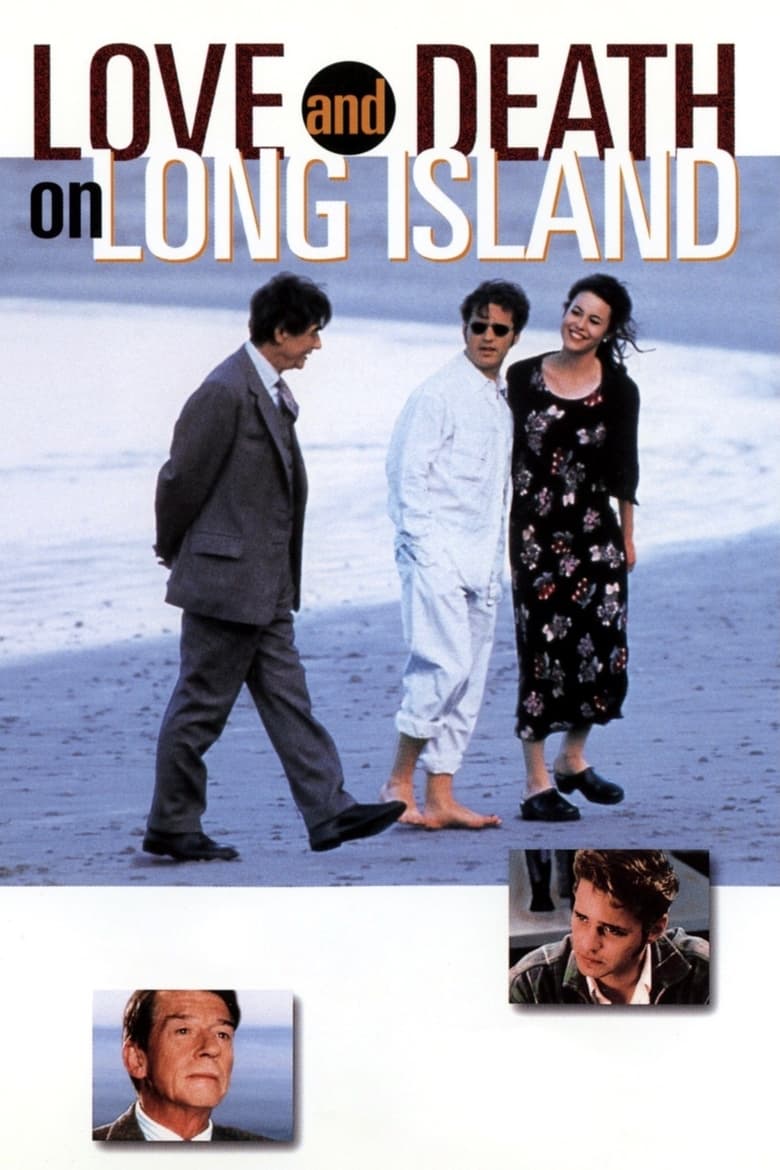
Curmudgeonly author Giles De'Ath, a widower with a marked distaste for modern popular culture, attempts to buy a ticket for a film adaptation of an E.M. Forster novel, but instead finds himself watching a tacky teen sex comedy. Yet when the beautiful Ronnie Bostock appears on the movie screen, Giles finds himself caught in a whirlwind of unanswered questions about both his own sexuality and his place in late 20th-century society.
Overall Score
Fair
Category Breakdown
LGBTQ+ Representation
The film centers on a protagonist's late-stage realization of his sexual orientation. It avoids treating queer identity as a subplot, instead focusing on the tension between social performance and authentic desire.
Gender Representation
Gender roles follow a mid-century framework that reinforces traditional hierarchies. Female characters often serve as catalysts for the protagonist's journey, frequently occupying the 'pursued' archetype.
Racial & Ethnic Diversity
Reflecting its 1950s suburban setting, the cast is predominantly white. The narrative does not engage with racial or ethnic diversity, focusing instead on a historically insulated social stratum.
Religious & Cultural Diversity
The story portrays 1950s social institutions, like marriage and suburban stability, as sources of psychological friction. It functions as a character study of individual isolation within these rigid systems.
Disability Representation
There are no prominent depictions of visible or invisible disabilities that drive the plot or serve as central character traits.
Strengths
Areas for Improvement
AI Analysis
Love and Death on Long Island succeeds as a nuanced character study of identity reclamation. By centering the protagonist's internal struggle with his sexuality, the film disrupts conventional romantic arcs and challenges the heteronormative expectations of its era. However, the film is constrained by its period setting. The lack of racial diversity and the reliance on traditional gender archetypes reflect the demographic homogeneity of the 1950s suburban landscape. Ultimately, the film's strength lies in its psychological depth regarding queer identity, even as it remains tethered to the social and racial limitations of its historical context.
2007

1982

1999

2000

2010
2002

2002

2003
1994

1974

2003

2012
No reviews yet. Be the first to share your thoughts on this movie!
Use the rating form above to leave a star rating and optional review.