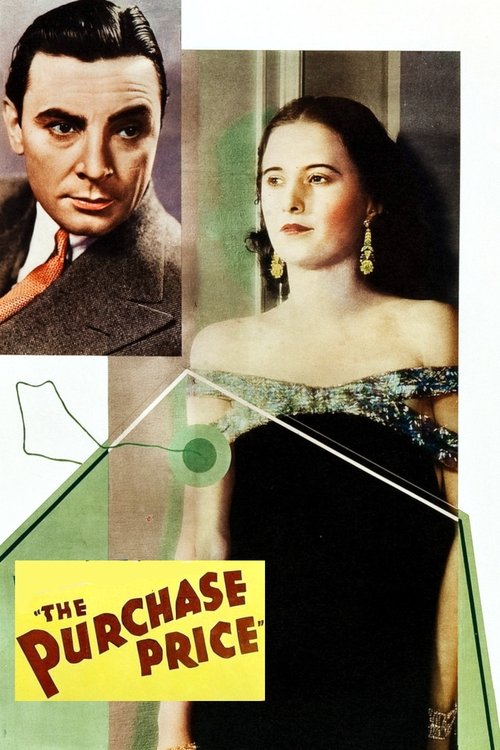
The Purchase Price
1932
No user ratings available yet
Representation score: 1.9 out of 10
Representation Score
Limited
1928
PassedDirector
Charles Reisner
Runtime
67 minutes
Average Rating
No ratings yetNew Showbiz Analysis
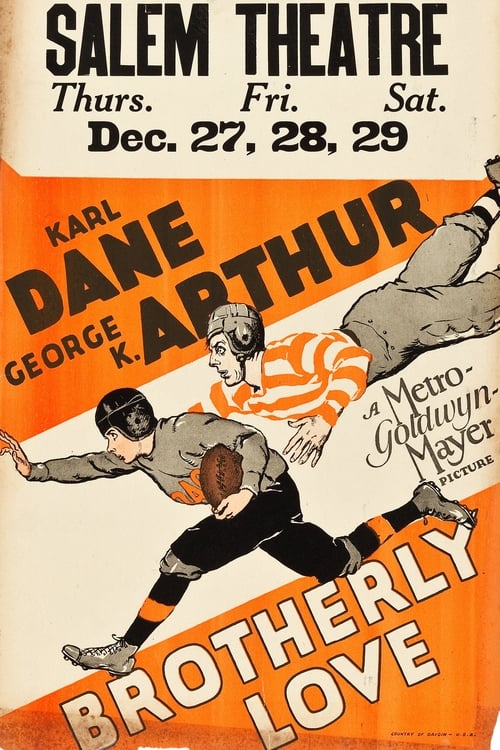
Brotherly Love is a period-specific comedic drama that relies heavily on traditional romantic and physical comedy clichés. The narrative focuses on individual character conflicts, such as the rivalry between Oscar and Jerry, rather than broader social critiques. While the film offers a minor subversion of physical expectations by placing a smaller character in a high-stakes environment, it lacks intentionality regarding diverse representation. It remains a product of its era, adhering to the cinematic norms of the late 1920s. Ultimately, the film emphasizes situational irony and the subversion of physical expectations rather than exploring systemic hierarchies or diverse identities.
Category Breakdown
The film centers on a heterosexual rivalry between two men, with no representation of LGBTQ+ identities or critiques of heterosexuality.
Mary serves as the central object of desire in a traditional romantic triangle. While the plot is driven by male characters, Jerry's athletic abilities offer a minor subversion of physical hierarchies.
The narrative follows the homogeneous casting norms of 1920s American cinema, focusing on class and physical differences within a Western institutional setting.
The story operates as a standard comedic drama without critiquing Western institutions. Conflict arises from interpersonal disputes rather than systemic issues.
Physical disparity is used as a comedic plot device regarding Jerry's small stature. The film does not explore neurodivergence or permanent disabilities.
Present on Screen
Limited or Absent
Official Synopsis
Oscar, a tough guard at Newberry Prison, gets into an argument with Jerry, a smallish barber. He causes Jerry to be arrested as a fugitive, and gets him sent to Newberry. It's not long before both men fall in love with Mary, the daughter of the warden. Oscar gets Jerry put on the prison football team, where he is the smallest guy there, figuring that he will look like a fool in front of Mary and then she will pick Oscar. However, things don't turn out quite the way Oscar planned.
1932
1927
1932
1927

1927
1957
1934
1930
No reviews yet. Be the first to share your thoughts on this movie!
Use the rating form above to leave a star rating and optional review.