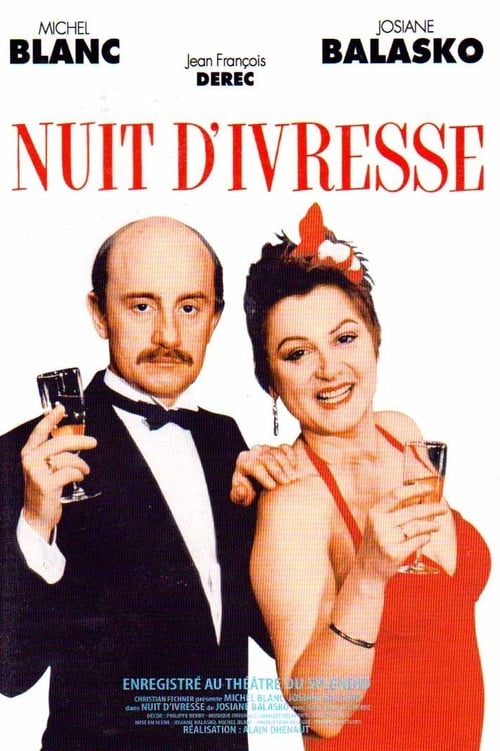
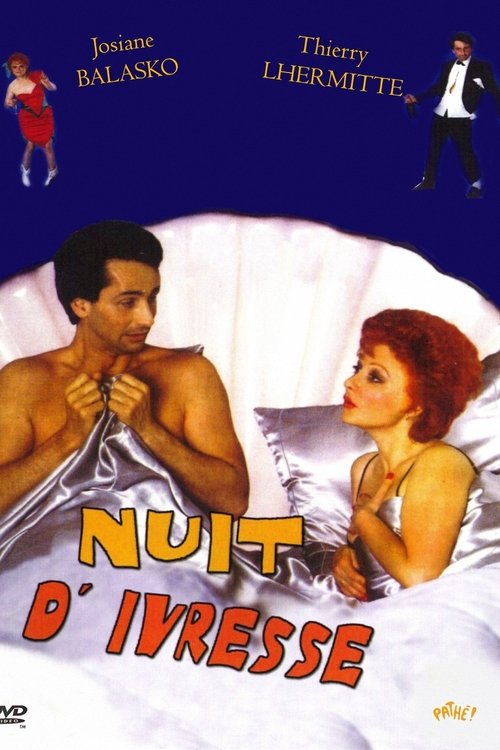
Nuit d'ivresse
1995
No user ratings available yet
Representation score: 3.3 out of 10
Representation Score
Limited
1986
Director
Bernard Nauer
Runtime
87 minutes
Average Rating
No ratings yetNew Showbiz Analysis
Nuit d'ivresse is a character study that focuses on social deconstruction rather than multi-layered identity. The film stands out by subverting the traditional 'competent male' archetype through Jacques's incompetence and professional instability. However, the film remains limited by a lack of diverse representation. It does not include LGBTQ+ identities, racial diversity, or characters with disabilities, sticking largely to traditional demographic patterns. Ultimately, the film's value lies in its exploration of marginality and the breakdown of social milestones, trading conventional morality for a chaotic, subjective journey on the fringes of respectability.
Category Breakdown
The film does not include any characters with LGBTQ+ identities or same-sex relationships. The central romantic tension revolves around a male protagonist and his female fiancée.
Jacques is portrayed as incompetent, which disrupts the traditional image of masculine composure. However, the female lead lacks significant control over her own story, serving mainly as a catalyst for the protagonist's crisis.
The film does not feature a multi-ethnic cast and follows conventional demographic patterns typical of 1980s French cinema, set in Paris.
The story prioritizes social transgression over traditional morality by focusing on intoxication and a formerly incarcerated character, exploring a shift towards moral relativism and social disruption.
There is no evidence of neurodivergent characters or individuals with physical or sensory disabilities within the narrative.
Present on Screen
Limited or Absent
Official Synopsis
Jacques Belin, presenter of a silly TV show, gets drunk after receiving an award and misses the train bringing his TV-soap-star fiancée. He meets up with Frède, just out of prison after a three year sentence and, in between numerous arguments and Jacques' break-up with his girlfriend, the two of them get drunker together, going across Paris in search of more alcohol and adventure.
1995

1962

2004
1968

2018
1988
1984

2016
No reviews yet. Be the first to share your thoughts on this movie!
Use the rating form above to leave a star rating and optional review.