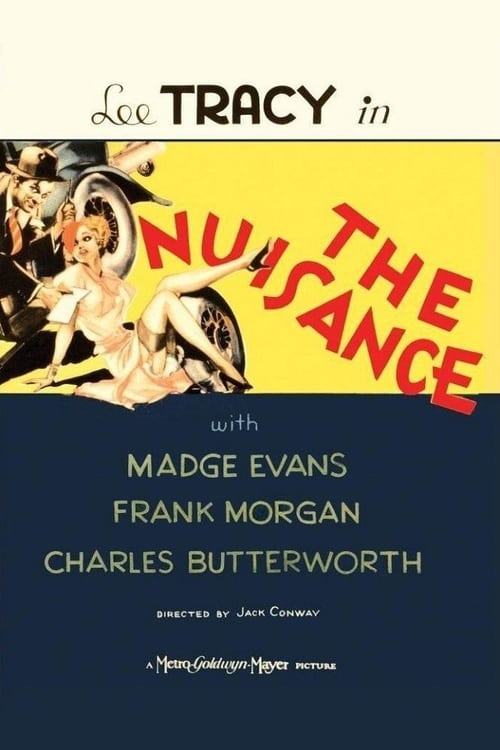
The Nuisance
1933
No user ratings available yet
Representation score: 0.5 out of 10
Representation Score
Limited
1950
ApprovedDirector
Jack Donohue
Runtime
85 minutes
Average Rating
No ratings yetNew Showbiz Analysis
The film adheres to the social and cinematic norms of the 1950s, centering on industrial conflict and traditional romance. Character roles are defined by mid-century archetypes, with female characters serving primarily as romantic interests rather than active participants in the main conflict. The narrative lacks multi-layered development, reflecting the era's homogeneous storytelling patterns. The film functions as a standard genre piece, propelled by male-driven legal and criminal maneuvering, without challenging established norms.
Category Breakdown
The film follows traditional mid-century romantic clichés, focusing on a conventional romance between Pirdy and Ellen without exploring non-traditional gender identities.
Female characters play secondary roles to male-driven plots. Ellen serves mainly as a romantic motivator, while the central conflict is driven entirely by male characters.
The cast lacks diversity, reflecting the homogeneous Anglo-centric casting standards typical of 1950s cinema.
The film operates within a traditional moral framework, presenting a cautionary tale about theft and integrity without critiquing Western institutions or social structures.
Pirdy is portrayed as accident-prone, introducing physical vulnerability. However, it is unclear if this highlights disability or serves as a comedic device.
Present on Screen
Limited or Absent
Official Synopsis
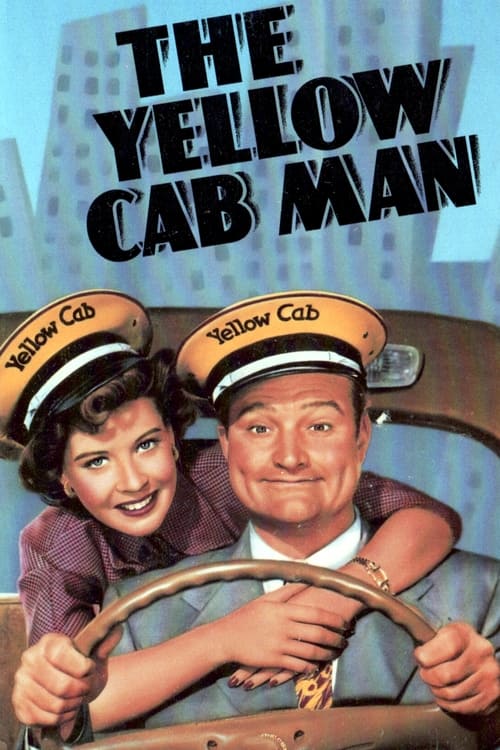
Pirdy is accident prone. He has been denied insurance from every company in town because he is always getting hit or hurt in some way. On the day that he meets the lovely Ellen of the Yellow Cab Co., he also meets the crooked lawyer named Creavy. Pirdy is an inventor and when Creavy learns about elastic-glass, his new invention, he makes plans to steal the process. With the help of another con man named Doksteader, and the boys, he will steal this million dollar invention no matter who gets hurt.
1933
1942
1948
1942
1933
1940
1928
1924
No reviews yet. Be the first to share your thoughts on this movie!
Use the rating form above to leave a star rating and optional review.