All Gummed Up
1947
No user ratings available yet
Representation score: 0.5 out of 10

Representation Score
Minimal
1934
ApprovedDirector
Gus Meins
Runtime
20 minutes
Average Rating
No ratings yetNew Showbiz Analysis
Shrimps for a Day is a traditional period comedy that adheres to the social norms of the 1930s. While it uses magical realism to criticize institutional cruelty, it lacks depth in addressing multiple aspects of identity. The focus on a young couple and a villainous orphanage director suggests a narrative driven by moralizing clichés rather than progressive commentary. It prioritizes slapstick humor over complex character development. Ultimately, the film serves as a traditional fable, critiquing rigid authority but failing to engage with broader demographic and identity-based diversity.
Category Breakdown
The film centers around a young heterosexual couple and does not include any non-cisgender identities or queer perspectives.
The story emphasizes age-based power dynamics rather than challenging traditional gender roles. It likely relies on the typical gender stereotypes found in 1930s comedies.
The film reflects the predominantly white demographics of the time. There is no indication of significant non-white representation.
The movie critiques institutional authority by depicting an orphanage director as a villain. This challenges rigid, systemic control through a moral fable.
There is no information available regarding the portrayal of physical or neurodivergent characters in this film.
Present on Screen
Limited or Absent
Official Synopsis
A magic lamp lets a young couple become kids again and exposes a mean old man who runs his orphanage like a prison.
1947
1951
1953

1938
1936

1934
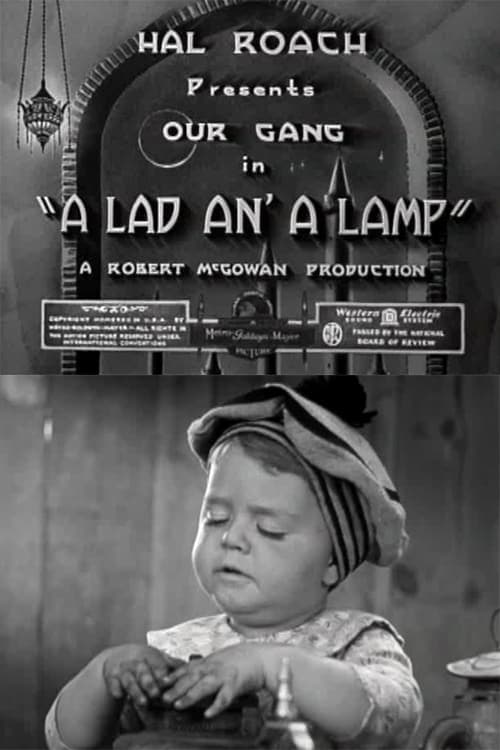
1932

1952
No reviews yet. Be the first to share your thoughts on this movie!
Use the rating form above to leave a star rating and optional review.