The Strange Possession of Mrs. Oliver
1977
No user ratings available yet
Representation score: 2.5 out of 10
Representation Score
Minimal
1990
PG-13Director
Gary Nelson
Runtime
100 minutes
Average Rating
No ratings yetNew Showbiz Analysis
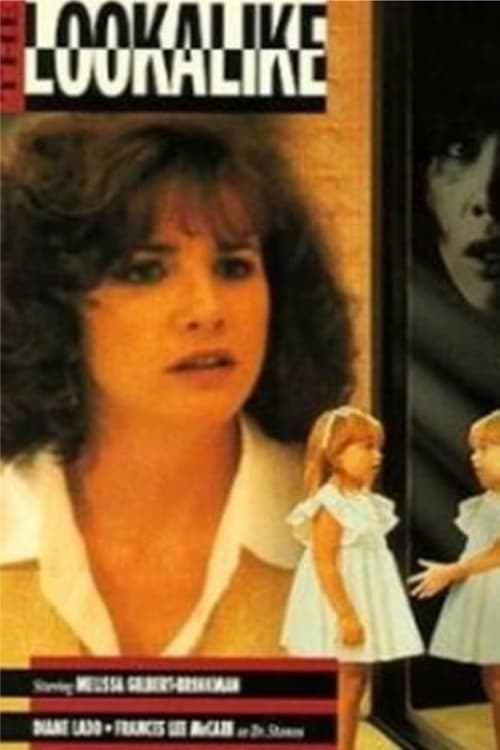
The Lookalike is a conventional 1990s psychological thriller that prioritizes individual suspense over social exploration. The narrative is built around a singular, intense character study of a woman experiencing grief and mental instability. While the film provides a central female perspective, it does so through established genre clichés rather than challenging gender hierarchies. The lack of diverse casting and the absence of LGBTQ+ or multicultural identities keep the film within a very narrow, traditional social scope. Ultimately, the film serves as a standard domestic drama. It lacks the intentionality to challenge systemic structures, focusing instead on the internal torment of its protagonist within a homogeneous setting.
Category Breakdown
The film does not include any LGBTQ+ characters or non-cisgender identities. It follows a traditional framework centered on maternal grief.
The story centers on a woman's psychological vulnerability and maternal loss. However, it leans into traditional clichés where women's ability to drive the story is tied to domestic tragedy.
The production reflects 1990s cinematic norms with a lack of significant racial or ethnic diversity. The cast and setting appear homogeneous.
The narrative functions within a conventional Western framework. It focuses on individual experience rather than critiquing Western institutions or deconstructing traditional family units.
The plot explores mental instability and psychological distress. While central to the tension, the protagonist's condition risks being used as a mere narrative device.
Present on Screen
Limited or Absent
Official Synopsis
A mentally disturbed woman is further tormented after discovering a girl who closely resembles her recently deceased daughter
1977
1976

2011
2000
1997

1973
2006

2019
No reviews yet. Be the first to share your thoughts on this movie!
Use the rating form above to leave a star rating and optional review.