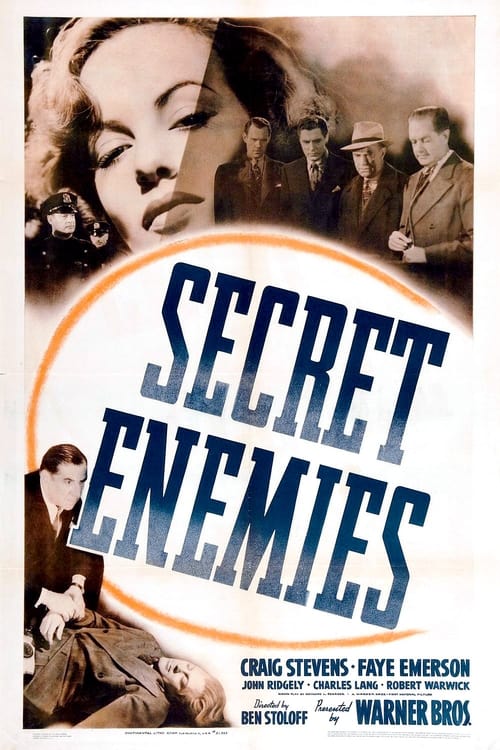
Secret Enemies
1942
No user ratings available yet
Representation score: 2.6 out of 10
Representation Score
Minimal
1942
ApprovedDirector
Roy William Neill
Runtime
63 minutes
Average Rating
No ratings yetNew Showbiz Analysis
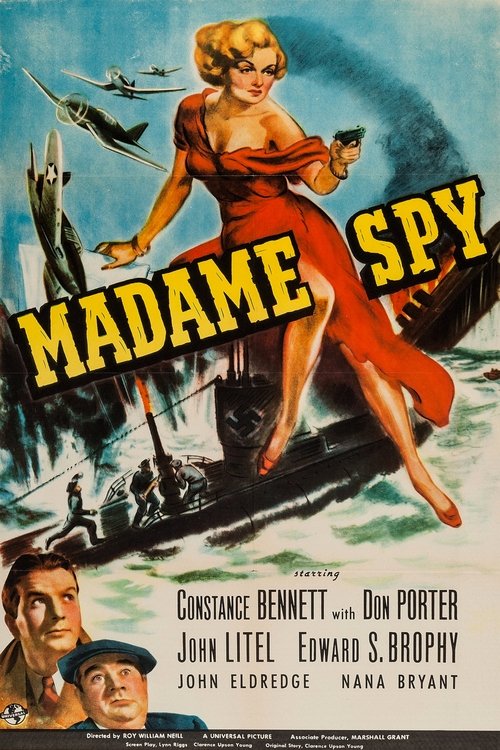
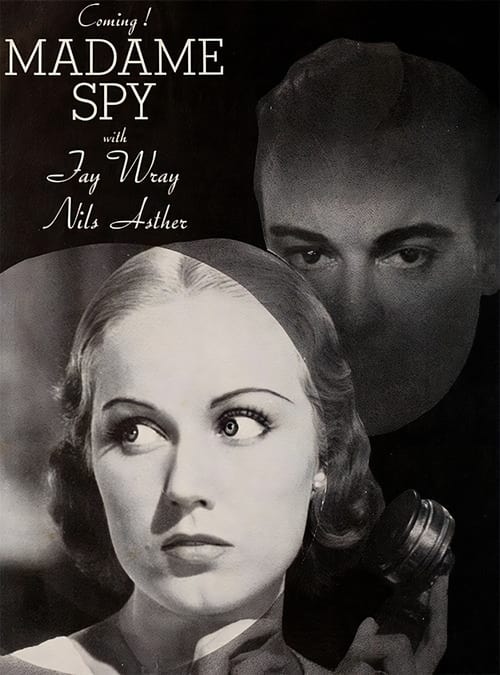
Madame Spy is a conventional 1940s crime drama that adheres strictly to the social hierarchies of its time. The narrative relies on established wartime clichés, focusing on suspicion and domestic tension rather than social subversion. The film lacks complexity in representing multiple aspects of identity, centering its conflict on a traditional marriage and the defense of Western institutions. It functions as a period-specific suspense piece that reinforces existing norms rather than challenging them. Ultimately, the work lacks representation for LGBTQ+ individuals, diverse racial groups, or people with disabilities, resulting in a very low diversity profile.
Category Breakdown
The film does not include any non-straight or non-cisgender identities or same-sex relationships. It focuses solely on a traditional marriage.
Joan Bannister plays a central role, but her actions are viewed with suspicion. The story revolves around the husband's role as the moral judge.
The casting reflects the homogeneous standards of 1942. There is no evidence of a diverse or non-white cast.
The story emphasizes wartime patriotism and traditional morality. It focuses on protecting national interests and maintaining domestic stability against external threats.
There are no characters with visible or invisible disabilities. No such characters are integrated into the plot.
Present on Screen
Limited or Absent
Official Synopsis
Joan Bannister is the wife of globe-trotting war correspondent David Bannister who travels by his side. Returning to the US, Bannister becomes suspicious when Joan begins associating with suspected Nazi functionaries, and wonders if she may be the elusive “Madame Spy” wanted by American authorities.
1942
1940
1948

1952
1945

1946
1934
1944
No reviews yet. Be the first to share your thoughts on this movie!
Use the rating form above to leave a star rating and optional review.