Her Private Affair
1929
No user ratings available yet
Representation score: 1.9 out of 10
Representation Score
Minimal
1945
16Director
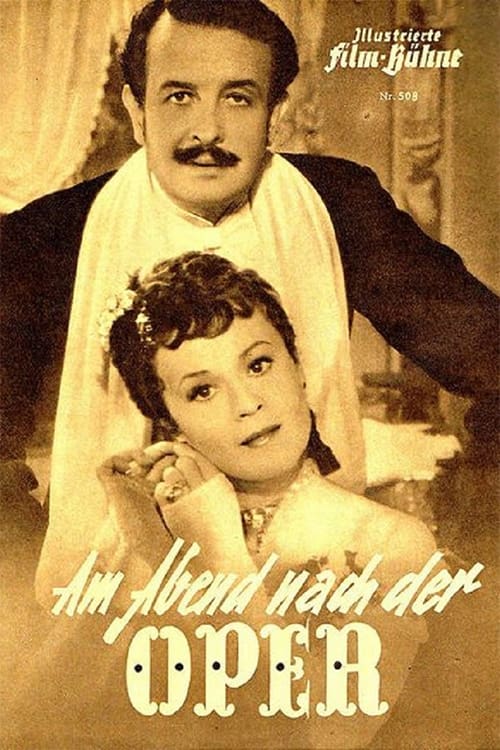
Arthur Maria Rabenalt
Runtime
96 minutes
Average Rating
No ratings yetNew Showbiz Analysis
In the Evening After the Opera is a conventional crime drama that emphasizes suspense clichés over social critique. The narrative follows a classic pattern of domestic deception and marital suspicion, limiting its thematic range. The film operates within the restrictive social and moral frameworks of 1945 European studio productions, focusing on a narrow, patriarchal crime framework. Ultimately, the work reflects the homogeneous demographic and thematic scope characteristic of its historical period, offering little in the way of diverse representation or institutional critique.
Category Breakdown
The film does not include any characters with non-straight or non-cisgender identities and there is no same-sex intimacy. The story focuses solely on a traditional, criminal marriage.
The story revolves around a gendered conflict between a male antagonist and a female protagonist. Her role is primarily defined by her suspicion and domestic situation.
Reflecting the demographics of 1945 German cinema, the film features a homogeneous cast with no indication of racial blending.
The plot centers on individual criminal actions and class-based suspense, avoiding systemic or cultural critiques. It adheres to the standard dramatic conventions of mid-century European cinema.
There is no information available regarding the depiction of physical or neurodivergent characters in this production.
Present on Screen
Limited or Absent
Official Synopsis
A wealthy man murders his wife, then marries a young woman who becomes suspicious of him.
1929
1944
1949
1950

1957
1940
1954
1947
No reviews yet. Be the first to share your thoughts on this movie!
Use the rating form above to leave a star rating and optional review.