Fire Will Come
2019
No user ratings available yet
Representation score: 1.3 out of 10
Representation Score
Good
2018
Director
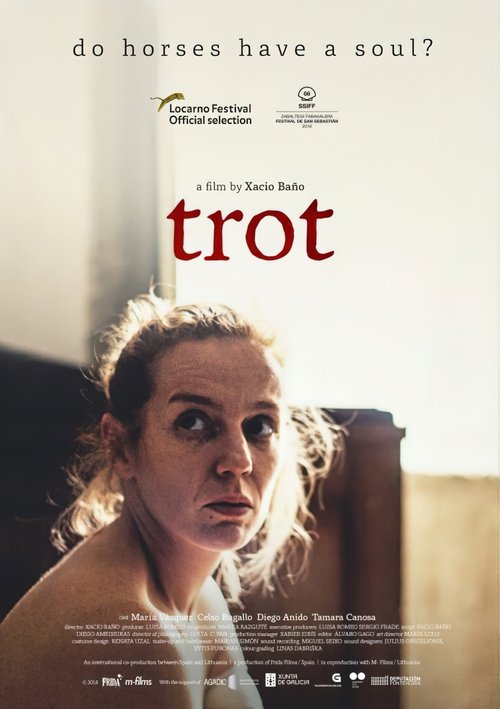
Xacio Baño
Runtime
83 minutes
Average Rating
No ratings yetNew Showbiz Analysis
Trote is a character-driven drama that uses the Galician ritual of Rapa das Bestas to explore domestic stagnation. It succeeds by deconstructing the traditional family unit and critiquing patriarchal communication through a localized lens. The film's strength lies in its psychological depth and its ability to frame traditional social structures as sites of repression. It avoids mainstream commercial clichés by focusing on specific regional realities. However, the narrative remains limited in its scope of identity. It lacks LGBTQ+ representation and treats disability primarily as a plot device for character entrapment rather than a deep exploration of ability to act.
Category Breakdown
The film does not include any explicit LGBTQ+ characters or stories. It centers on traditional heterosexual family dynamics and interpersonal conflicts.
Carme’s emotional journey is central, depicting the home as a place of psychological struggle. The film highlights the communication failures of male figures to challenge traditional gender roles.
The film showcases specific Galician ethnic and regional identity. It avoids homogenized Western clichés by emphasizing localized cultural markers and linguistic nuances.
The depiction of the Rapa das Bestas ritual serves as a metaphor for the tension between personal freedom and tradition. It provides a sophisticated critique of traditional institutions.
The presence of a sick mother serves as a narrative driver for Carme's sense of entrapment. It treats illness as a realistic burden rather than a sentimental plot device.
Present on Screen
Limited or Absent
Official Synopsis
Carme lives in a mountain village in Galicia with her sick mother and her father Ramón, with whom she hardly speaks. Working in a bakery, she feels the urge to escape from this oppressive atmosphere, but circumstances always seem to stop her. But during the “Rapa das Bestas” weekend – a celebration of the age-old struggle between man and horse – Carme’s older brother, Luís, comes home with his wife María...
2019
2022
2018
2019
2023
2017

2018
2018
No reviews yet. Be the first to share your thoughts on this movie!
Use the rating form above to leave a star rating and optional review.