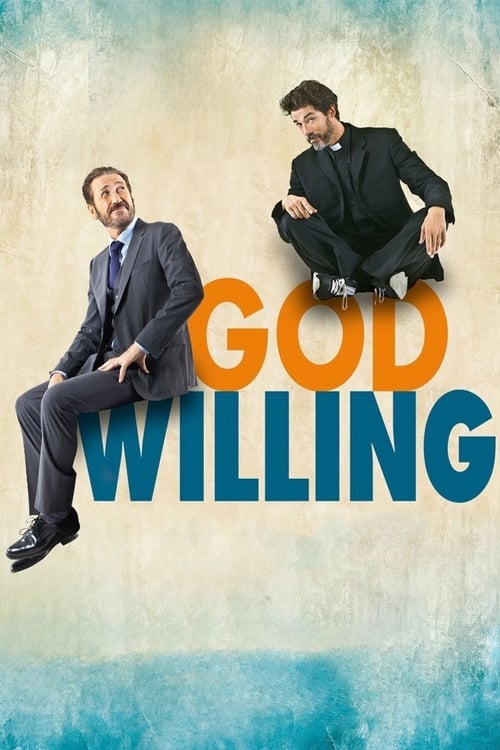
God Willing
2015
No user ratings available yet
Diversity score: 3.9 out of 10

2001
Director
Mark Joffe
Runtime
97 minutes
Average Rating
No ratings yetSynopsis
A lawyer becomes a fisherman from frustration. When his one piece of property, his boat, is struck by lightning and destroyed he is denied insurance money because it was “an act of God”. He re-registers as a lawyer and sues the insurance company and, as God’s representative, The Church.
Overall Score
Limited
Category Breakdown
LGBTQ+ Representation
The film lacks LGBTQ+ characters or storylines entirely. The narrative focuses on a singular male protagonist, operating within a traditional heteronormative framework without queer identities.
Gender Representation
The story is heavily centered on the male experience and professional frustrations. Women occupy secondary roles that do not significantly challenge or subvert established gender dynamics.
Racial & Ethnic Diversity
The cast is primarily white and Australian, reflecting a relatively homogeneous demographic. The film lacks intentional intersectional casting or diverse ethnic backgrounds to drive the narrative.
Religious & Cultural Diversity
The film offers a postmodern satire of organized religion and bureaucratic structures. It treats the Church as a legal entity, exploring the tension between divine will and human justice.
Disability Representation
There is no significant depiction of visible or invisible disabilities. The film does not engage with neurodivergence or physical impairments as part of its thematic exploration.
Strengths
Areas for Improvement
AI Analysis
The film functions primarily as a legal and theological satire rather than a vehicle for demographic representation. Its core strength lies in its institutional critique, specifically how it deconstructs the perceived invincibility of religious authority by treating God as a legal person. However, the production remains deeply traditional in its casting and character agency. The narrative is driven almost exclusively by a male protagonist, leaving little room for diverse perspectives or intersectional identities. Ultimately, while the film succeeds in its subversive approach to metaphysical authority, it fails to engage with a broad spectrum of human identity, resulting in a narrow social scope.
2015

1961
1983

2018

2019
1980

2010

2007
2011
2004
2005

2009
No reviews yet. Be the first to share your thoughts on this movie!
Use the rating form above to leave a star rating and optional review.